Walk through Brick Lane on any given Saturday and you'll encounter a peculiar collision of temporalities. Street muralists work beneath Victorian textile warehouses, their spray cans echoing an industrial heritage that once defined the East End. This isn't nostalgia—it's strategic cultural archaeology, and it's fundamentally reshaping how London understands itself.
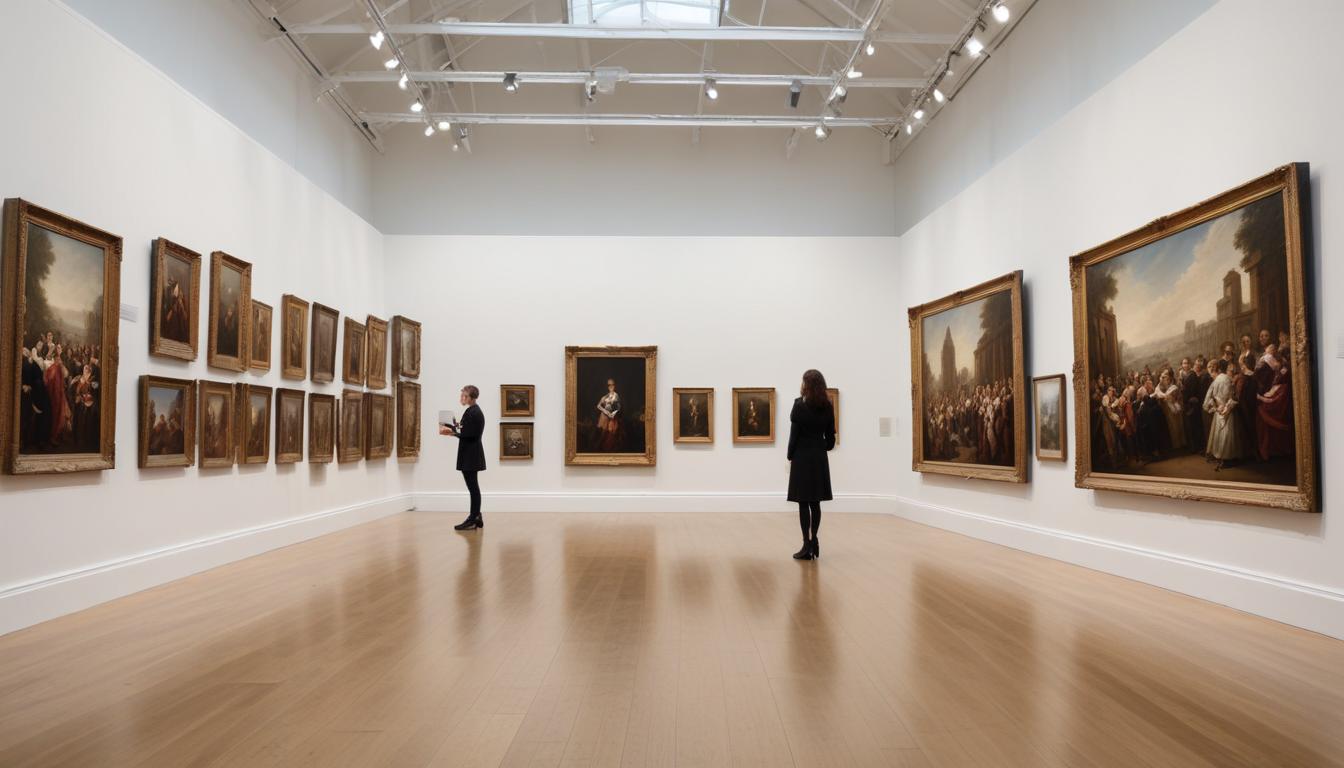
The shift became visible last autumn when the Whitechapel Gallery's ambitious "Deep Roots" exhibition drew 47,000 visitors, many discovering that their own neighbourhood's commercial strips had been shaped by waves of migration dating back three centuries. The exhibition's success revealed an appetite for something the capital's institutions had largely underestimated: Londoners hungry to understand how their streets became what they are.
This hunger is now driving a creative renaissance rooted in hyper-local investigation. In Peckham, the South London Gallery has partnered with community archivists to excavate the area's post-war African-Caribbean cultural landscape, with the findings directly informing commissions for emerging artists. Meanwhile, across the Thames in Wandsworth, the Battersea Arts Centre has made heritage-informed residencies central to its programming—not as educational sidelines, but as core creative work.
The economic implications matter too. Heritage tourism contributed £2.3 billion to London's economy last year, but what's newly significant is the domestic spend. Local history walking tours—many led by independent guides in neighbourhoods from Stratford to Streatham—are now a £40 million annual enterprise, with average attendance up 34% since 2023. These aren't heritage for heritage's sake; they're platforms for contemporary artists to intervene, reimagine and critique.
What distinguishes this moment is its refusal of clean narratives. Young practitioners across the city are deliberately unsettling triumphalist histories. At the Geffrye Museum in Hoxton, their recent major commission invited artists to problematise the "domestic comfort" mythology of the Georgian period. In Southwark, independent bookstalls on Borough High Street now stock self-published histories that contest official accounts of gentrification and displacement.
Perhaps most tellingly, London's creative sector—from theatre to visual arts to music—increasingly markets itself internationally through hyper-specific local identity rather than generic "global city" branding. This represents a genuine philosophical shift: the assumption that the deepest expression of London's cosmopolitanism lies not in its aspirational future, but in its honestly reckoned past.
For a city perpetually anxious about reinvention, this may prove its most radical move: staying put long enough to understand where it's been.
This article was compiled by AI from the sources linked above and screened before publishing. See our editorial standards.