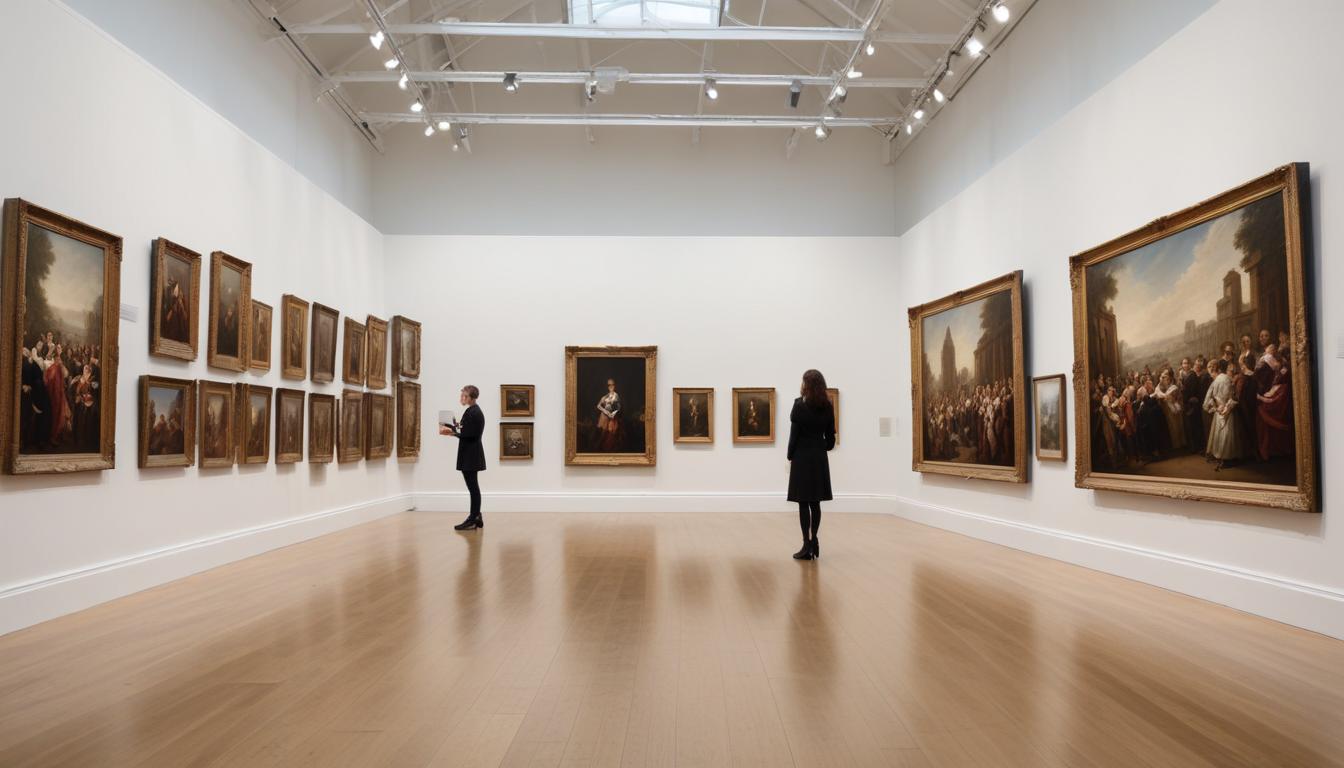
Walk past the British Museum on Great Russell Street any afternoon this week and you'll notice something: the queues have shifted. Yes, they're still there, but they're moving differently. Locals—not just tourists—are actually getting inside, lingering, exploring with the kind of unhurried attention that felt almost extinct in pre-pandemic London.
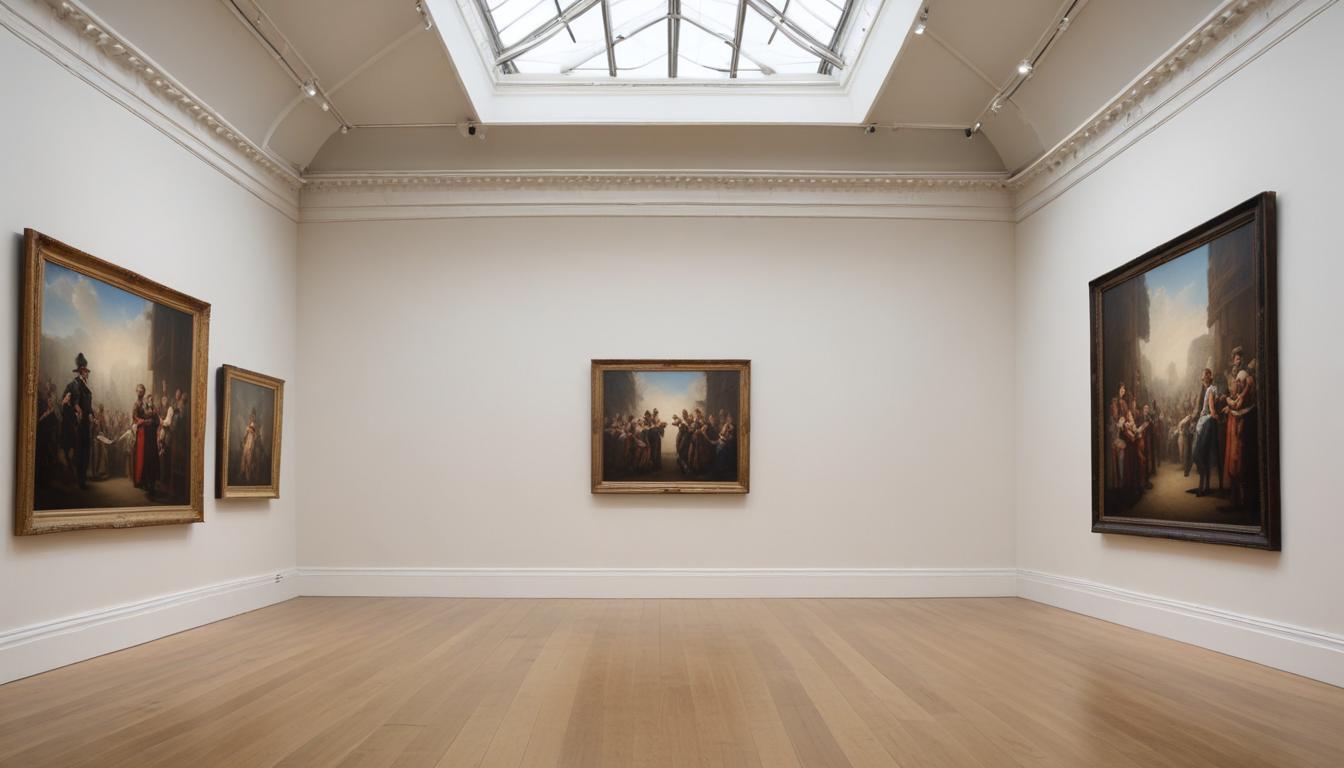
What's happening across the capital's gallery and museum landscape right now is less a single story and more a tectonic shift. After three years of staffing volatility and cautious reopening protocols, major institutions have collectively decided on radical accessibility. The Tate Modern's decision to waive charges for under-30s has proven so popular that sister venues are following suit. The National Gallery extended free hours to include Thursday evenings year-round. Even the V&A, that reliable South Kensington draw, has introduced a "pay what you wish" entry scheme that runs four days a week—a move that surprised even seasoned culture watchers.
But it's not just about price. The programming has shifted too. Whitechapel Gallery's current exhibition exploring diaspora narratives through contemporary Asian and African artists feels urgently relevant given the conversations sweeping through London's diverse neighbourhoods. Meanwhile, the Barbican's summer season pivots away from the canonical to spotlight emerging practitioners, something the institution's director has explicitly framed as reckoning with who's been historically excluded from these spaces.
The numbers bear this out. The Association for Cultural Enterprises reported that visitor numbers to London's major museums have climbed 34 percent this quarter alone—the highest since 2019. What's more, repeat visitors, particularly among Londoners themselves, have jumped by nearly half.
On Hoxton Street, in Dalston, and across Peckham, smaller independent galleries are experiencing their own moment. Spaces like Arcadia Missa and Project Native Informant have become essential cultural touchstones, with waiting lists for opening receptions now commonplace. These aren't glossy destinations; they're laboratories where risk-taking feels possible.
The conversation among locals has shifted from "should we go?" to "which opening are we hitting this week?" Coffee shops near Cork Street galleries now overflow with people debating curatorial choices. Social media chatter reflects genuine engagement, not tourism performance.
Whether this momentum sustains depends on funding and institutional commitment. But for now, London's arts scene feels democratised in ways that seemed impossible two years ago—less exclusive temple, more genuine public space.
This article was compiled by AI from the sources linked above and screened before publishing. See our editorial standards.