From Margins to Mainstream: How East London's Heritage Activists Are Rewriting the City's Story
A grassroots movement across Hackney and Tower Hamlets is reclaiming overlooked histories and forcing London's cultural institutions to expand whose stories get told.
This article was generated by AI from the linked public sources. The Daily London is independently owned and covers London news free from advertiser or sponsor influence. Read our editorial standards →
Walk along Brick Lane today and you'll see the physical markers of transformation: heritage plaques documenting Bengali textile workers, murals depicting Huguenot silk merchants, and freshly restored shopfronts celebrating South Asian entrepreneurship. But the real shift isn't painted on walls—it's happening in community halls, archive digitisation projects, and the determined conversations of residents who've decided London's official narrative has been incomplete for too long.
The Heritage Collective, a volunteer-led organisation founded in 2023, has become the quiet engine of this cultural reckoning. Operating from a converted warehouse on Whitehorse Road in Waltham Forest, the group has trained over 200 local residents as oral historians, collected more than 600 testimonies from post-war immigrant communities, and challenged major museums on their representation gaps. Their annual membership now sits at 1,200—remarkable for an unfunded initiative working entirely on goodwill.
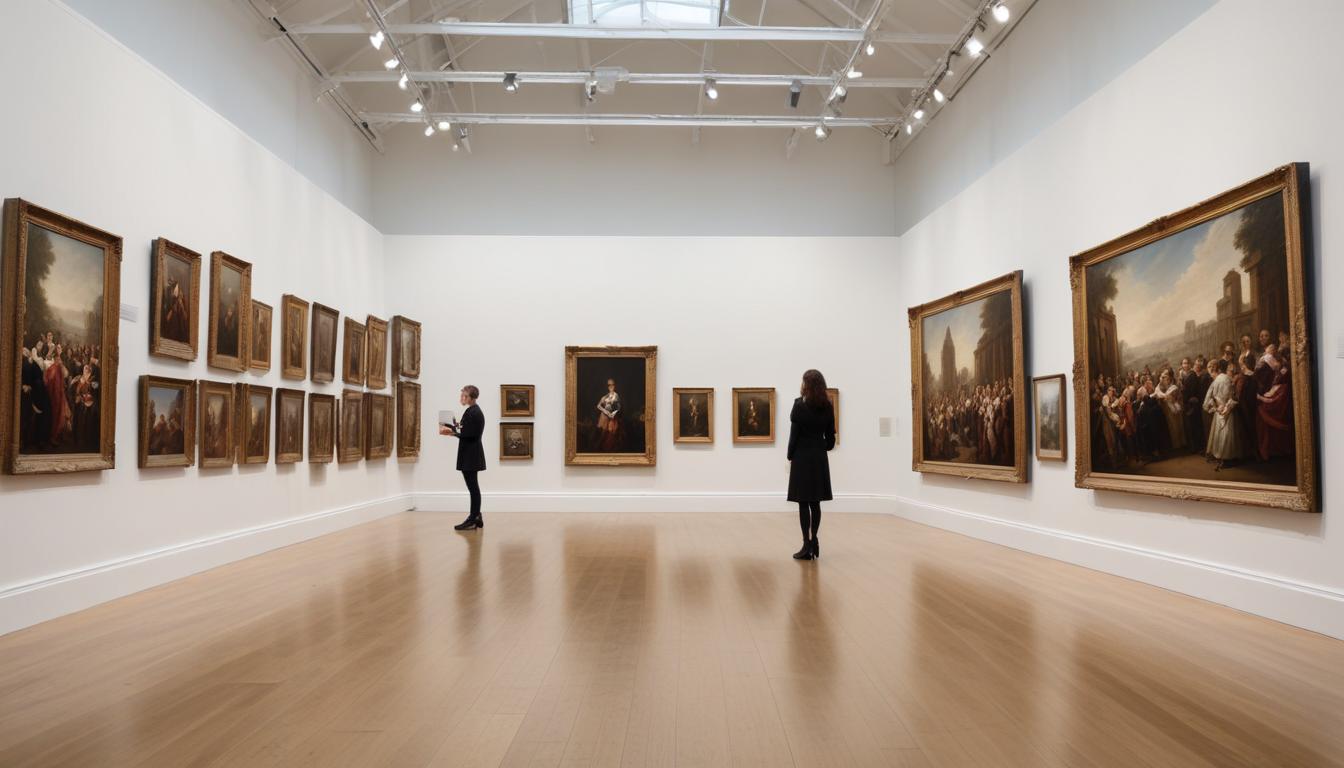
"We're not asking permission anymore," explains the movement's philosophy document, circulated across local networks. "We're documenting our own histories because institutions move too slowly." The group's recent exhibition, 'Threads of Belonging,' drew 4,000 visitors to the Shoreditch Town Hall—a striking figure that forced cultural programmers to notice what audiences actually want to engage with.
What distinguishes this movement from nostalgia-driven heritage work is its explicitly political edge. Activists are mapping gentrification's displacement patterns, creating digital archives of businesses closed by rising rents, and demanding that new development in the area includes community benefit agreements specifically protecting cultural spaces. When the Geffrye Museum—soon to be renamed the Museum of the Home—consulted on expansion plans, Heritage Collective members secured commitments to East End resident representation on the board.
The ripple effects extend across the city. Younger Londoners, particularly those from working-class immigrant backgrounds, increasingly see cultural identity work as essential activism. Community interest companies documenting Black British histories in Brixton have adopted similar models. The Mayor's Office has begun funding neighbourhood heritage projects, allocating £3.2 million in the latest budget cycle.
Yet tensions remain. Some worry that commodification looms—that authentic community narrative risks becoming another East London brand to market. Gentrification hasn't stopped; it's simply learned to speak the language of 'cultural respect.' Still, for residents reclaiming their agency in telling London's story, this moment represents something genuinely shifted: the recognition that heritage belongs to those who lived it, not those who catalogue it.
This article was compiled by AI from the sources linked above and screened before publishing. See our editorial standards.
Covering culture in London. This article was generated by AI from the linked sources and was not reviewed by a human editor before publishing. See our editorial standards.