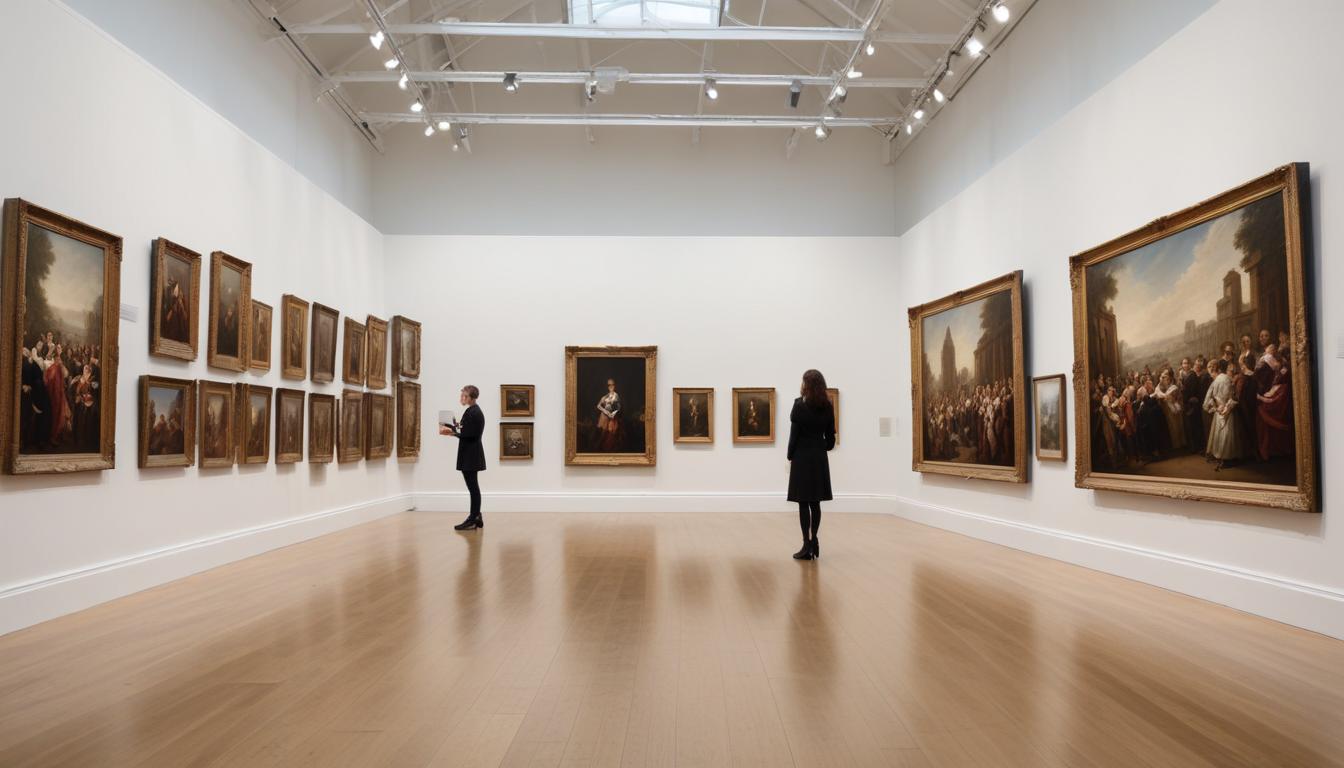
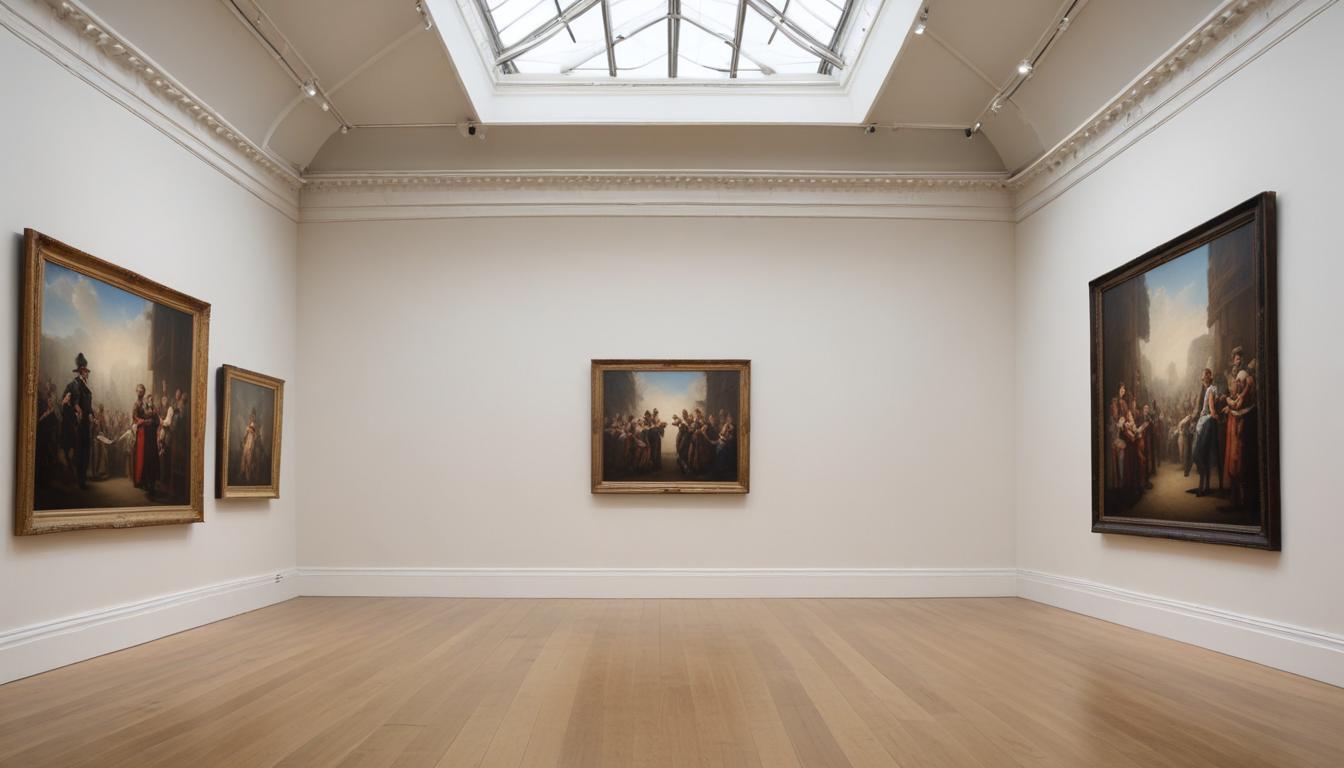
Walk through the grand Victorian halls of the V&A on Cromwell Road, and you're witnessing the legacy of decades of institutional ambition. But the story of how London became a global gallery destination isn't told in the museums' official histories—it's found in the careers of the people who rebuilt them from within.
When the Whitechapel Gallery reopened its brutalist extension in 2009, it represented a watershed moment: the East London institution, founded in 1901 by vicar Samuel Barnett to bring art to working-class communities, had evolved into a tastemaker. That transformation didn't happen by chance. It required directors willing to take risks on contemporary artists when the market wasn't watching, and conservators painstakingly restoring pieces no one thought worth saving.
Today, London's gallery landscape—from the major institutions to independent spaces scattered across Shoreditch, Mayfair and Peckham—reflects the ambitions of curators who came of age in leaner times. The Young British Artists movement of the 1990s emerged partly because emerging talent found affordable studio space in disused warehouses. That precedent shaped everything that followed: a culture of experimentation that persists in smaller galleries like Workplace, tucked away in Whitechapel's backstreets, or the artist-run initiatives that pepper King's Cross post-regeneration.
The numbers tell part of the story. London hosts over 200 registered galleries and more than 30 major museums, collectively attracting over 42 million visits annually. The Tate system alone—Modern, Britain, Liverpool and St Ives—employs nearly 2,000 staff, many of them curators and conservators trained in London institutions themselves. That's a self-perpetuating ecosystem of expertise.
But institutional success masks a harder reality. Many of the people building London's scene work behind the scenes: conservation technicians earning modest salaries in climate-controlled basements, junior curators assembling exhibitions on limited budgets, collection managers cataloguing thousands of pieces that few will ever see. The museum sector employs roughly 15,000 people across the capital, yet wages for mid-career professionals haven't kept pace with London's rising living costs.
What's remarkable is that despite these pressures, London's gallery scene continues attracting global talent. New directors arrive with ambitious visions; emerging curators cut their teeth at the major institutions before launching independent projects. They're building on foundations laid by their predecessors—visionaries who bet on London's cultural future when the outcome was uncertain.
The real story behind London's galleries isn't in the headlines when blockbuster shows open. It's in the decades of institutional memory, the networks of expertise spanning Kensington to Hackney, and the people who believed that art mattered enough to dedicate their careers to it.
This article was compiled by AI from the sources linked above and screened before publishing. See our editorial standards.