Why London's Gallery Scene Is Having Its Summer of Reckoning
A perfect storm of free exhibitions, bold political art and soaring visitor numbers is forcing the capital's museums to choose between accessibility and survival.
This article was generated by AI from the linked public sources. The Daily London is independently owned and covers London news free from advertiser or sponsor influence. Read our editorial standards →
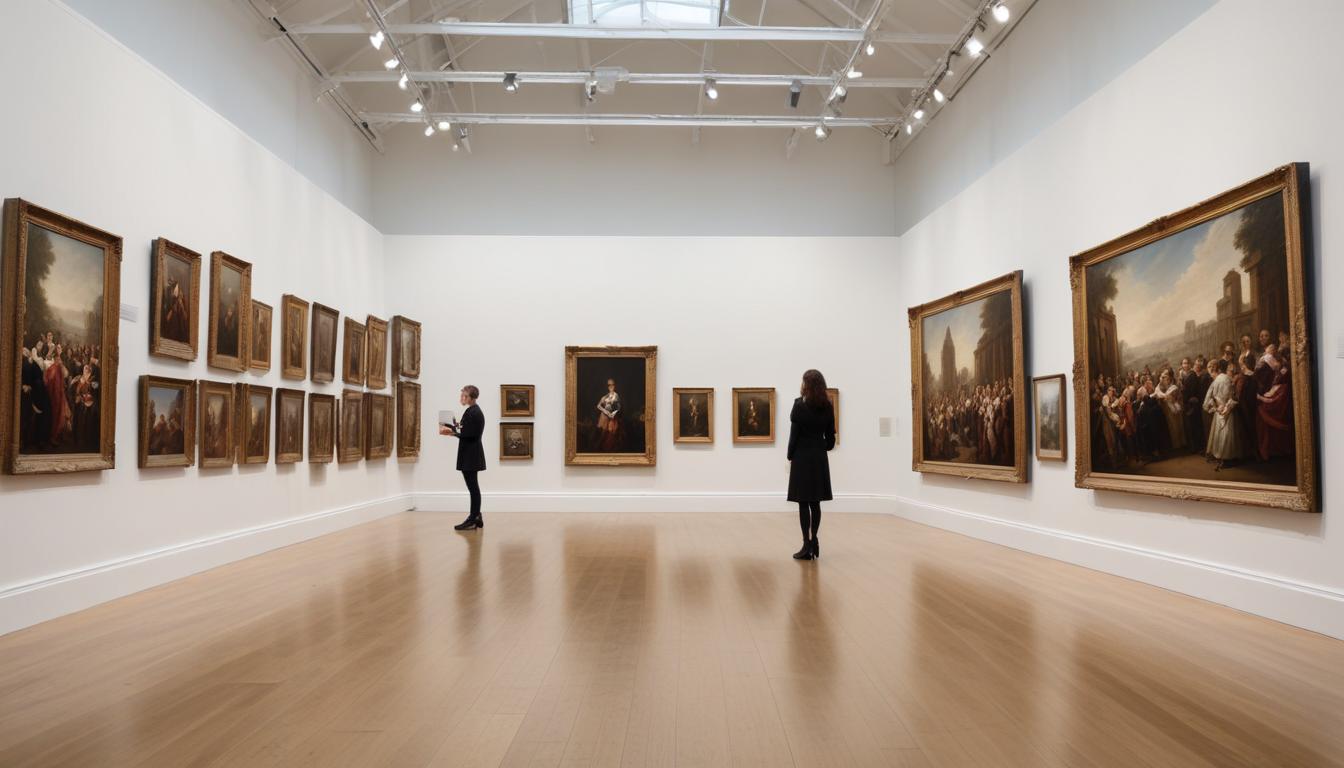
Walk down Cork Street in Mayfair any afternoon this summer and you'll notice something unusual: queues outside commercial galleries, many of them free. It's symptomatic of a broader shift happening across London's arts institutions right now, where the traditional gatekeeping of culture is collapsing under the weight of genuine public appetite and economic pressure.
The Serpentine Galleries in Hyde Park reported a 67% increase in footfall in June compared to last year, with their free summer programming pulling crowds that rival West End theatres. Meanwhile, smaller institutions like the Institute of Contemporary Arts on The Mall have begun extending hours and dropping admission fees for evening sessions, a move that would have been unthinkable three years ago.
What's driving this conversation among Londoners is partly practical: with recession anxiety gripping the middle classes, free culture has become a genuine draw. But there's something more ideological happening too. Across Shoreditch, Bethnal Green and even traditionally quieter pockets like Peckham, artist-led galleries have begun staging exhibitions that directly engage with the global chaos visible in today's headlines—migration, authoritarianism, inequality. These aren't the polite, apolitical shows that dominated pre-pandemic London.
The National Gallery's recent decision to make permanent its pay-what-you-wish policy has forced the hand of competitors. The V&A, perennially battling accusations of serving only affluent postcode areas, announced last month it would cap ticket prices at £15 for all summer exhibitions. The message is clear: free access is no longer a luxury amenity but an expectation.
Yet galleries are struggling. Operating costs have surged 40% since 2023, according to the Association for Cultural Enterprises. Many mid-size institutions are caught between their desire to remain open to everyone and their inability to fund staff adequately. Whitechapel Gallery, which serves one of London's most economically diverse areas, has quietly frozen its acquisition budget.
The real tension animating London's gallery scene right now isn't aesthetic—it's about who gets to decide what culture means and who can afford to make it. As summer visitors flood in to experience free contemporary art, the institutions hosting them are wrestling with existential questions about sustainability that no amount of footfall can answer. That's why locals are talking: the old model is visibly breaking down, and nobody is quite sure what replaces it.
This article was compiled by AI from the sources linked above and screened before publishing. See our editorial standards.
Covering culture in London. This article was generated by AI from the linked sources and was not reviewed by a human editor before publishing. See our editorial standards.