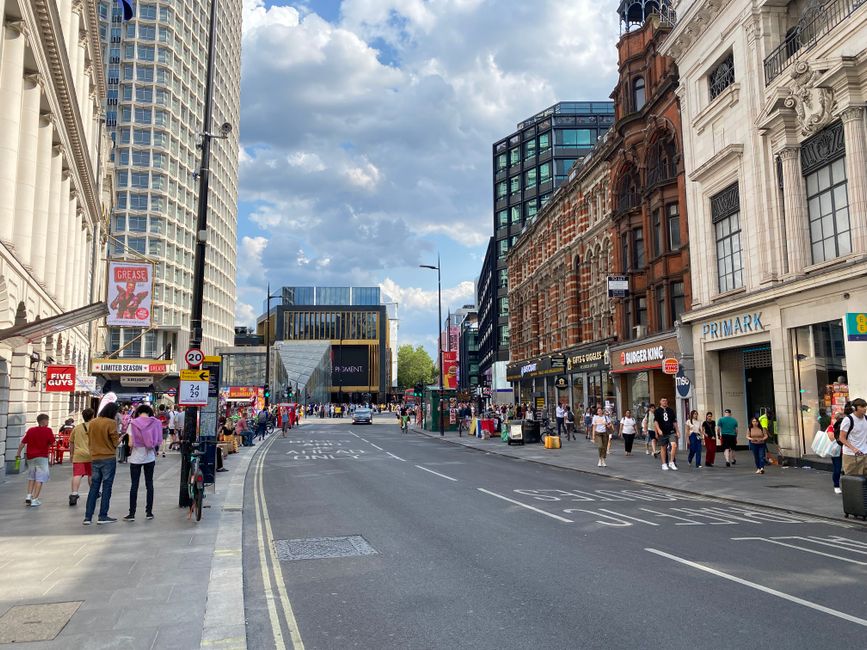
The Faces Behind London's Best Nights: How Bartenders, Hosts and Regulars Built Our Social Fabric
From Shoreditch speakeasies to Soho institutions, the people pouring drinks and welcoming strangers are the real architects of London's thriving nightlife renaissance.
This article was generated by AI from the linked public sources. The Daily London is independently owned and covers London news free from advertiser or sponsor influence. Read our editorial standards →
On a Friday evening in Shoreditch, the narrow pavement outside Callooh Callay bustles with the kind of organised chaos that defines London's bar scene in 2026. Inside, a bartender with ten years' experience works methodically through orders, each drink a small performance. These are the faces that regulars come to see—not just the alcohol, but the person behind the counter who remembers their name, their usual, their recent heartbreak.
London's nightlife has shifted dramatically in the past five years. Where once clubs dominated the evening economy, bars have become the true social hubs. Industry data suggests the capital now has over 7,000 licensed venues, with the Mayfair-to-Soho corridor alone accounting for nearly £1.2 billion in annual hospitality spend. But those numbers tell only half the story.
The real narrative unfolds through the people who've built communities in these spaces. In Borough, Leake Street, and around King's Cross, a new generation of hospitality workers—many in their late twenties and thirties—are reimagining what a London night out means. They're creating themed nights, hosting live music sessions, and building inclusive spaces where solo drinkers, first-daters, and groups of friends equally belong. A 2025 Drinkaware survey found that 63% of London's bar-goers cite 'sense of community' as their primary reason for returning to venues.
The economics matter too. A standard cocktail in central London now averages £12-15, while craft beer selections remain competitive at £5-7 per pint. For many bar staff earning London Living Wage (currently £12.82 per hour), these venues represent more than employment—they're career paths, creative outlets, and social anchors in an increasingly fragmented city.
What makes London's scene resilient isn't the glossy Mayfair champagne bars, though they certainly exist. It's the regulars who've turned neighbourhood spots into extensions of home. It's the East End bartender who remembers fifty customers' orders. It's the host at a Brixton wine bar who's transformed a shuttered shop into a gathering place. It's the people who chose to stay in hospitality despite two years of pandemic closure and subsequent staffing shortages.
Walking through Covent Garden, Bethnal Green, or Clapham on any given evening reveals an unmistakable truth: London's nightlife thrives because of the humans who've chosen to invest their time, creativity, and emotional labour into these spaces. They're the ones who've made this city's social fabric genuinely extraordinary.
This article was compiled by AI from the sources linked above and screened before publishing. See our editorial standards.
Covering lifestyle in London. This article was generated by AI from the linked sources and was not reviewed by a human editor before publishing. See our editorial standards.