London Transport 2026: The Complete Cost and Access Guide Before You Go
From Oyster cards to night buses, here's what you need to know about getting around the capital without breaking the bank.
3 min read
Updated 27 min ago
From Oyster cards to night buses, here's what you need to know about getting around the capital without breaking the bank.
3 min read
Updated 27 min ago

Whether you're commuting from Zone 3 suburbs to a Canary Wharf office or navigating between Shoreditch galleries and South Bank venues, London's transport network remains one of the world's most complex—and expensive. As summer commutes intensify and visitor numbers spike, now's the time to understand your options and what they'll actually cost.
The Oyster card remains London's most economical choice for regular travel. A daily cap on contactless payment currently sits at £8.95 for Zones 1-2, though this rises to £13.80 if you venture further out towards areas like Ealing or Greenwich. Weekly caps offer better value at £36.85 for central zones, making them essential for anyone commuting five days a week. Transport for London has maintained these prices since 2024, though inflation pressures suggest careful monitoring ahead.
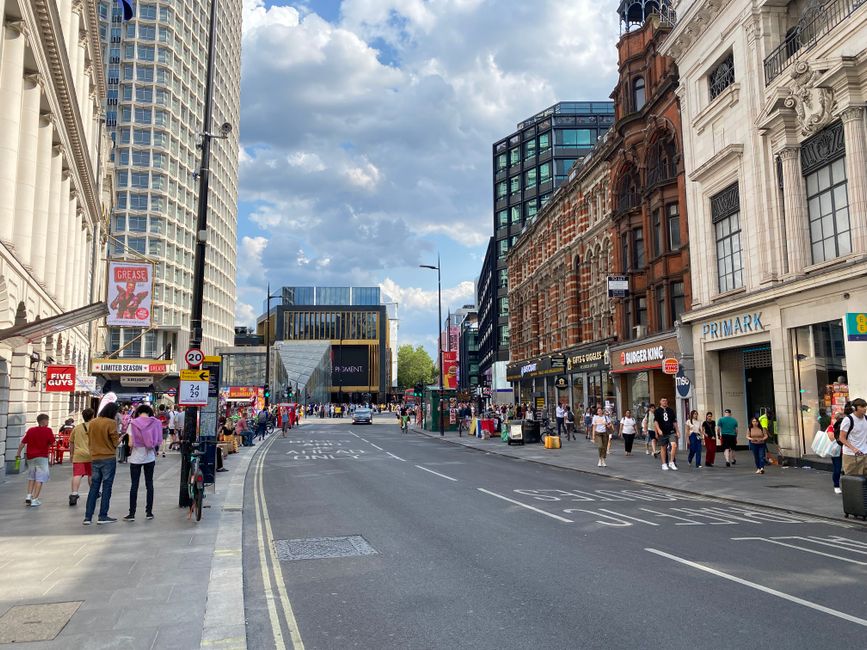
The Underground remains fastest for cross-city journeys—Oxford Circus to King's Cross takes just eight minutes—but surface-level alternatives shouldn't be dismissed. London buses are flat-rate at £1.75 per journey (capped at £2.80 daily), and routes like the 15 heritage Routemaster traverse iconic paths from Tower Hill to Trafalgar Square. Night buses (prefixed 'N') operate after midnight, invaluable for evening events in Soho or late dinners in Bethnal Green.
For longer distances, the Elizabeth Line has transformed accessibility since its full opening. A single journey from Reading to Paddington costs £12.10 peak, but zone-based pricing within London proper keeps inner-city hops affordable. Zones 1-2 journeys are covered by your standard Oyster cap.
Cycling infrastructure continues expanding. TfL's Santander Cycles scheme costs £2 for a 30-minute journey or £100 annually for unlimited access—competitive against daily transport costs for those comfortable navigating routes through Regent's Canal or the Cycle Superhighway network stretching from Vauxhall to Tower Hamlets.
Peak-time congestion remains brutal (8-9am and 5-7pm weekdays), so consider flexible working where possible. Many employers negotiate corporate TfL schemes, reducing costs by up to 50 percent.
For accessibility requirements, all TfL services offer free travel for registered disabled passengers and one companion. The Access & Assistance service provides personalized journey planning across all modes—contact them at tfl.gov.uk/accessassistance.
The reality: London transport is pricey but transparent. A weekly Oyster pass at £36.85 remains cheaper than most European capitals for comparable coverage. Plan routes using TfL's Journey Planner, factor in seasonal delays, and remember that pre-planning beats rush-hour panic every time.
This article was compiled by AI from the sources linked above and screened before publishing. See our editorial standards.

About this article
Published by The Daily London
Spread the word
Daily brief
Free, in your inbox before 7am. Weekdays.
The Daily Network — independent news worldwide