From Suitcase to Sofa: Your Practical Guide to Actually Enjoying London as a Newcomer
You've arrived in the capital—now learn where locals really eat, move, and build community beyond the guidebook clichés.
2 min read
You've arrived in the capital—now learn where locals really eat, move, and build community beyond the guidebook clichés.
2 min read
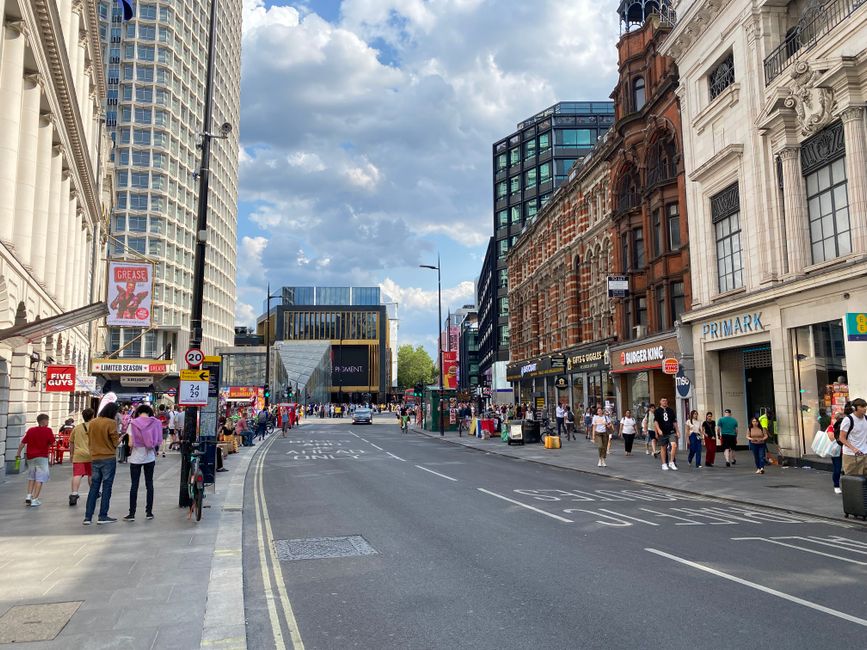
Moving to London can feel overwhelming. Between securing a flat in Zone 2, navigating the Tube map, and figuring out which neighbourhood actually suits your lifestyle, the city's vastness can paralyse even seasoned relocators. But here's the truth: London rewards those who get curious quickly.
Start with your immediate radius. If you've landed in neighbourhoods like Clapham, King's Cross, or Hackney—popular with newcomers thanks to reasonable rents (averaging £1,500-£1,800 for a one-bedroom flat) and genuine communities—spend your first month like an anthropologist. Visit the same coffee shop twice. Shop at your local Tesco or independent grocer. Walk different streets at different times. This isn't tourism; it's the foundation of actually living somewhere.
Connect through practical channels, not just apps. London's borough councils run free community centres and adult education programmes—Lambeth and Islington both offer English conversation classes, hobby groups, and volunteer opportunities that double as social infrastructure. The British Library's free events in St Pancras introduce you to locals with shared interests. Meetup.com and Facebook neighbourhood groups work, but they're noisier than council-run alternatives.
Understand transport as your freedom multiplier. A Zone 1-2 Travelcard costs roughly £180 monthly, but knowing the lesser-used routes—like the Overground's sprawling network or the Elizabeth Line's new connections—transforms how you experience the city. Many newcomers spend months ignoring these, trapped in rush-hour Piccadilly Line chaos. Don't.
Food and routine are underrated anchors. London's food courts—Borough Market's quieter corners, the diverse canteens at the Old Truman Brewery in Shoreditch, or Portobello Road's weekday markets—reveal the city's working texture. Find your regular pub or café. Londoners bond over their local spots far more than they do over Big Ben.
Finally, embrace the weird institutional stuff: get a British library card (free, instantly useful), register with a GP (essential for residency), and join one group activity you'd never do elsewhere—a Thames swimming club, a community garden in Bethnal Green, a pub quiz league. These aren't networking; they're where actual friendships form.
The first six months are about shifting from visitor mode to resident mode. That requires intention, not luck. The city will reward your effort.
This article was compiled by AI from the sources linked above and screened before publishing. See our editorial standards.
About this article
Published by The Daily London
Spread the word
Daily brief
Free, in your inbox before 7am. Weekdays.
The Daily Network — independent news worldwide