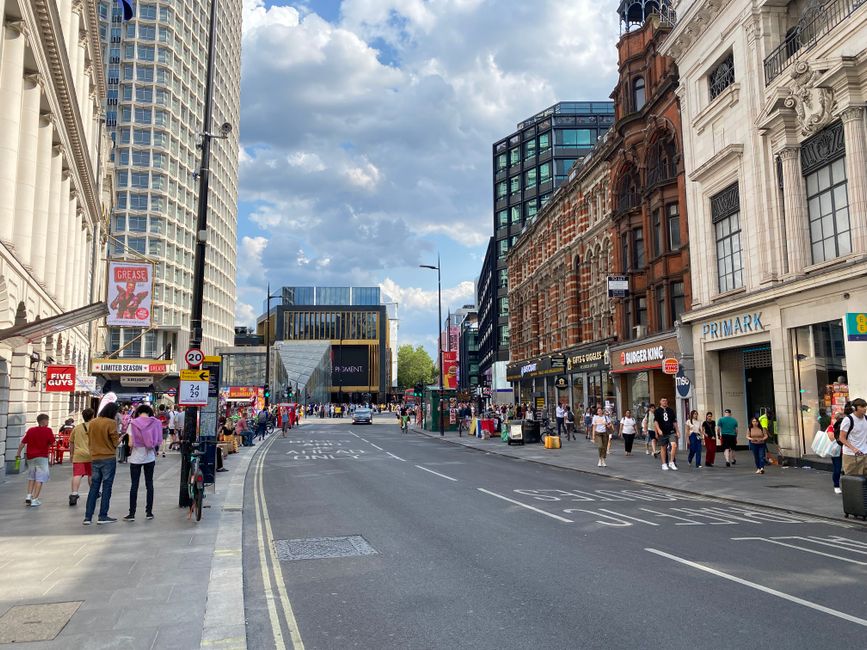
Three years ago, Elephant and Castle felt like a secret. Young professionals priced out of Peckham and Brixton clustered in converted warehouses around Walworth Road, drawn by affordable rent and an intoxicating mix of Latin American restaurants, independent bookshops, and the kind of grit that promised authenticity. Today, that London is vanishing.
The neighbourhood's transformation—triggered by the £3 billion Elephant and Castle regeneration project—has accelerated dramatically since 2024. The iconic shopping centre, a brutalist monument that defined the area for four decades, has been demolished. In its place, a new mixed-use development featuring 979 new homes, restaurants, and a redesigned public realm is taking shape. For expat newcomers arriving in 2026, the timing presents both opportunity and loss.
What's changing fastest? Housing costs, for one. Average rents in the immediate area around the Northern Line station have climbed 22% since 2023, with one-bedroom flats now averaging £1,650 monthly—still cheaper than King's Cross or Shoreditch, but no longer the bargain it was. The character-defining independent businesses are disappearing too. The beloved Colombian bakery that anchored the corner of Walworth and Rodney Road closed last year; the vintage record shop on Elephant Road relocated to Dulwich.
Yet there's still time to catch something genuine. Peckham Place, the new cultural hub opening this autumn, promises to retain the neighbourhood's artistic DNA while adding world-class facilities. The Latin American community—historically the area's backbone—remains vibrant, particularly around the bus station and Walworth Road's surviving restaurants. For those seeking affordable, genuinely diverse London, Elephant still delivers, though the clock is ticking.
The lesson for arriving expats? Elephant and Castle now sits at a crossroads. Move here if you want emerging cosmopolitan energy and genuine value before prices stabilise at their new, higher baseline. But come expecting a neighbourhood mid-transformation, not the bohemian enclave of reputation. The old Elephant—chaotic, diverse, cheap—exists mainly in memory now. What's emerging instead is slicker, safer, and considerably less distinctive. For some, that's progress. For others, it's the end of an era.
Transport remains a major draw: the Northern Line offers direct access to the West End in 15 minutes. That advantage, plus the neighbourhood's commitment to maintaining affordable housing in the regeneration scheme, suggests Elephant will remain a smart choice for budget-conscious newcomers for at least another two to three years.
This article was compiled by AI from the sources linked above and screened before publishing. See our editorial standards.