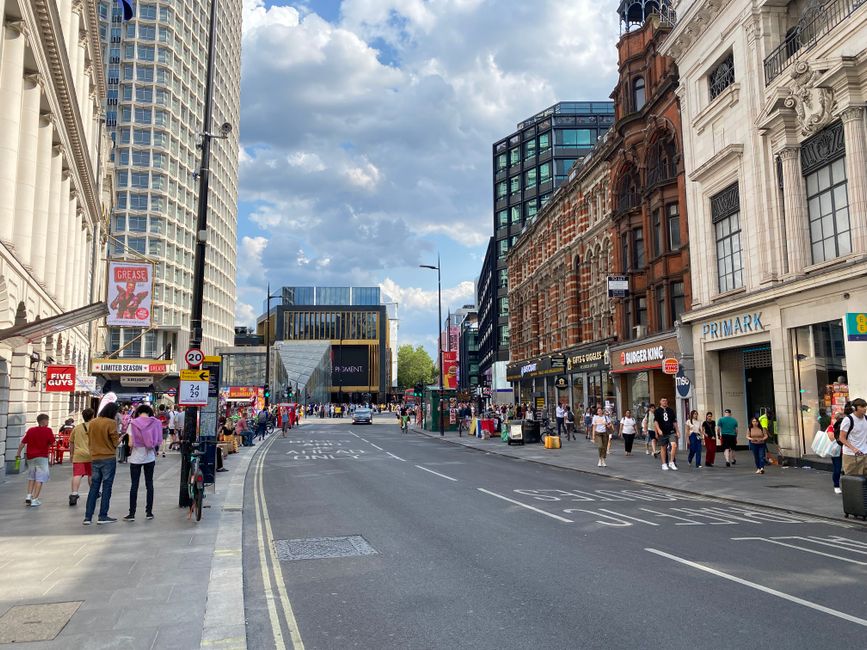
Walk down Mare Street on a Saturday morning and you'll see something that would have seemed impossible a decade ago: queues forming outside independent coffee roasteries, vintage fashion boutiques commanding premium rents, and the kind of cultural density usually reserved for Shoreditch's more established enclaves. Yet Hackney's transformation defies the typical gentrification script.
The neighbourhood has long attracted artists seeking cheaper studio space than Bethnal Green or Williamsburg offered. What's changed—dramatically—is that those artists have stopped apologising for being here. The Hackney Attic, a collectively-run artist space above the Broadway Theatre, now hosts monthly showcases that regularly pull 300+ visitors. Broadway Market's weekend transformation has evolved beyond farmers' market cliché; the street now hosts everything from zero-waste fashion pop-ups to immersive theatre experiments.
Property prices tell part of the story. According to recent data, average property values in Hackney have risen approximately 23% over the past three years—significant, but substantially lower than Islington (35%) or Walthamstow (28%). That differential matters. It's kept the neighbourhood accessible enough for the kind of experimental cultural ventures that can't survive £3,000-a-month commercial rents.
The real shift, though, is institutional. Clissold Park, once just a green space, has become a genuine community hub—the renovation of the restored mansion hosting regular workshops, from beekeeping to mental health support groups. St. Augustine's Tower, historically overlooked, is now being developed as a creative incubator. Meanwhile, Hackney Pier—a genuinely quirky floating cultural space—continues punching above its weight with avant-garde programming.
Community organisations like Hackney Pirates and Dalston CLR James Library represent something crucial: the neighbourhood is being shaped by residents themselves rather than external developers' visions. Housing remains contentious—genuinely so—with local campaigns actively resisting overdevelopment. Unlike areas that surrendered entirely to market forces, Hackney's residents have maintained meaningful agency.
This isn't to romanticise the neighbourhood. Deprivation statistics remain concerning. Crime reports continue to surface. The tension between preservation and progress remains unresolved. But what's genuinely striking is that Hackney is evolving on its own terms. Yes, it's becoming more expensive. Yes, long-term residents face displacement pressures. Yet the cultural infrastructure being built—grassroots, community-driven, genuinely experimental—suggests this neighbourhood might chart a different course than its predecessors.
For now, Hackney remains London's most unpredictable borough. Whether that's sustainable is the question that keeps residents, creatives, and community leaders awake at night.
This article was compiled by AI from the sources linked above and screened before publishing. See our editorial standards.