Before You Move: The Real Cost of Living in London's Most Sought-After Neighbourhoods
We break down exactly what you'll pay for rent, transport and daily life across the capital's most desirable postcodes.
2 min read
Updated 10 min ago
We break down exactly what you'll pay for rent, transport and daily life across the capital's most desirable postcodes.
2 min read
Updated 10 min ago
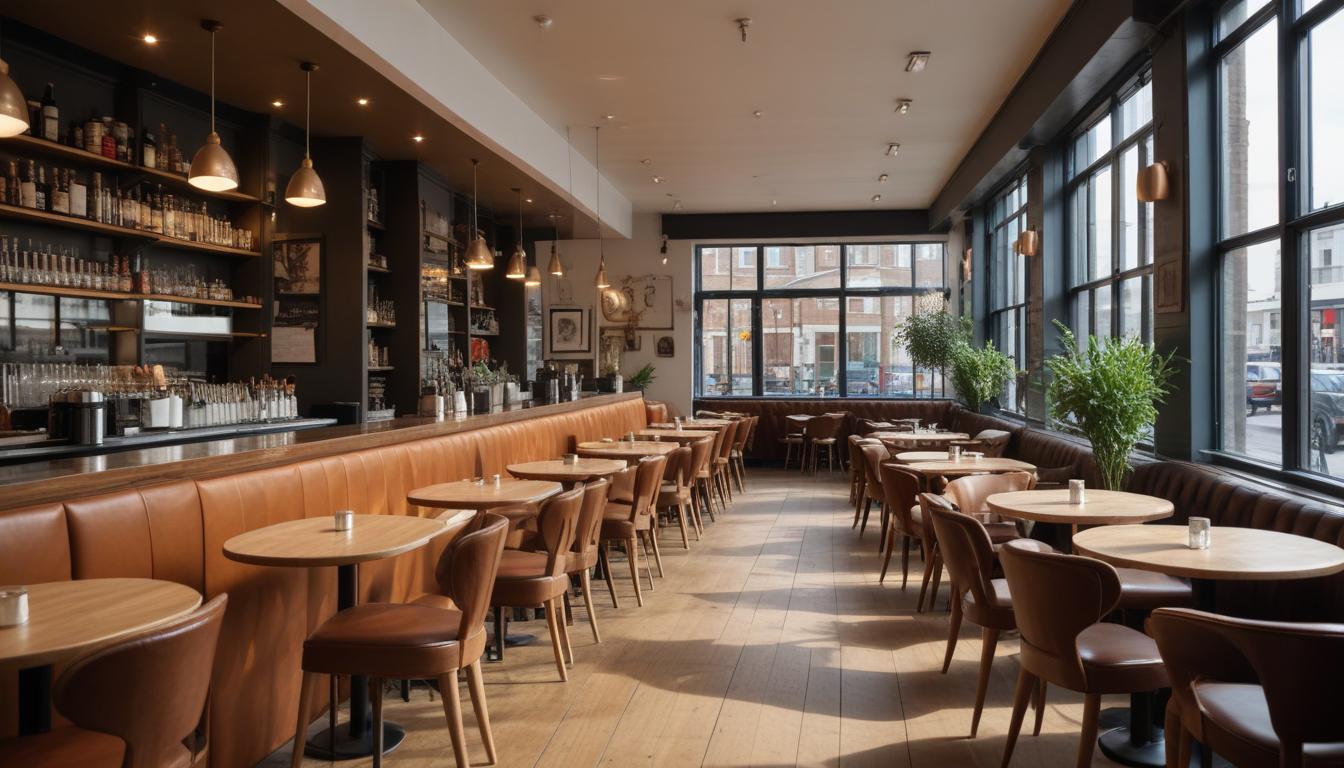
London's property market has always been unforgiving, but 2026 presents a new reality for those considering a move to the capital. Whether you're eyeing the Victorian terraces of Hackney, the riverside appeal of Canary Wharf, or the bohemian streets of Shoreditch, understanding the genuine cost of entry—and daily survival—is essential before packing your bags.
A one-bedroom flat in Hackney now averages £1,650 monthly, with two-bedrooms pushing towards £2,300. Travel slightly east to Walthamstow, and you'll find similar-sized properties at £1,200 to £1,500, though your commute into central London lengthens considerably. The Elizabeth Line has partially mitigated transport costs for Canary Wharf workers, with monthly travel cards sitting around £165 for zones 1-2, but housing there commands premiums: expect £2,100+ for a modest one-bedroom.
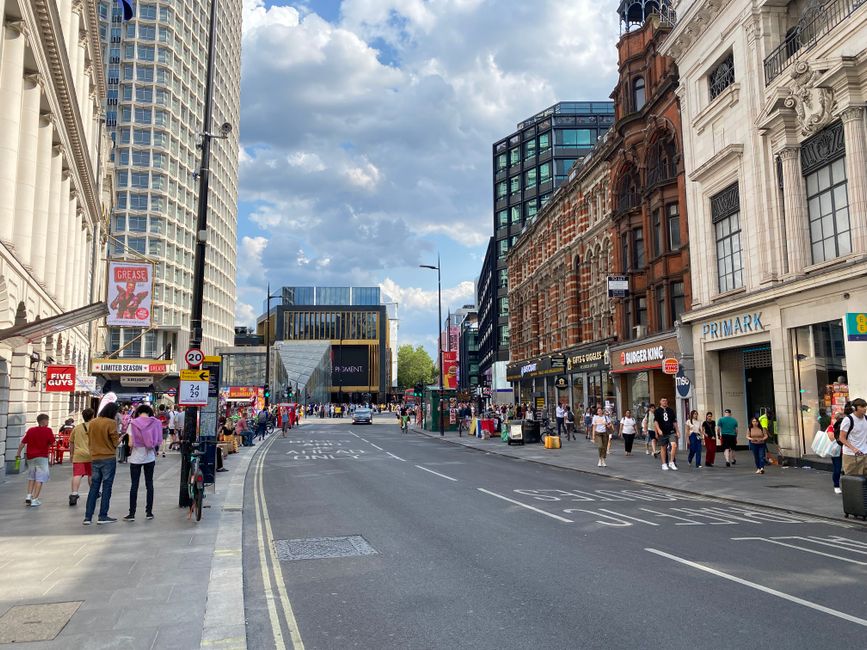
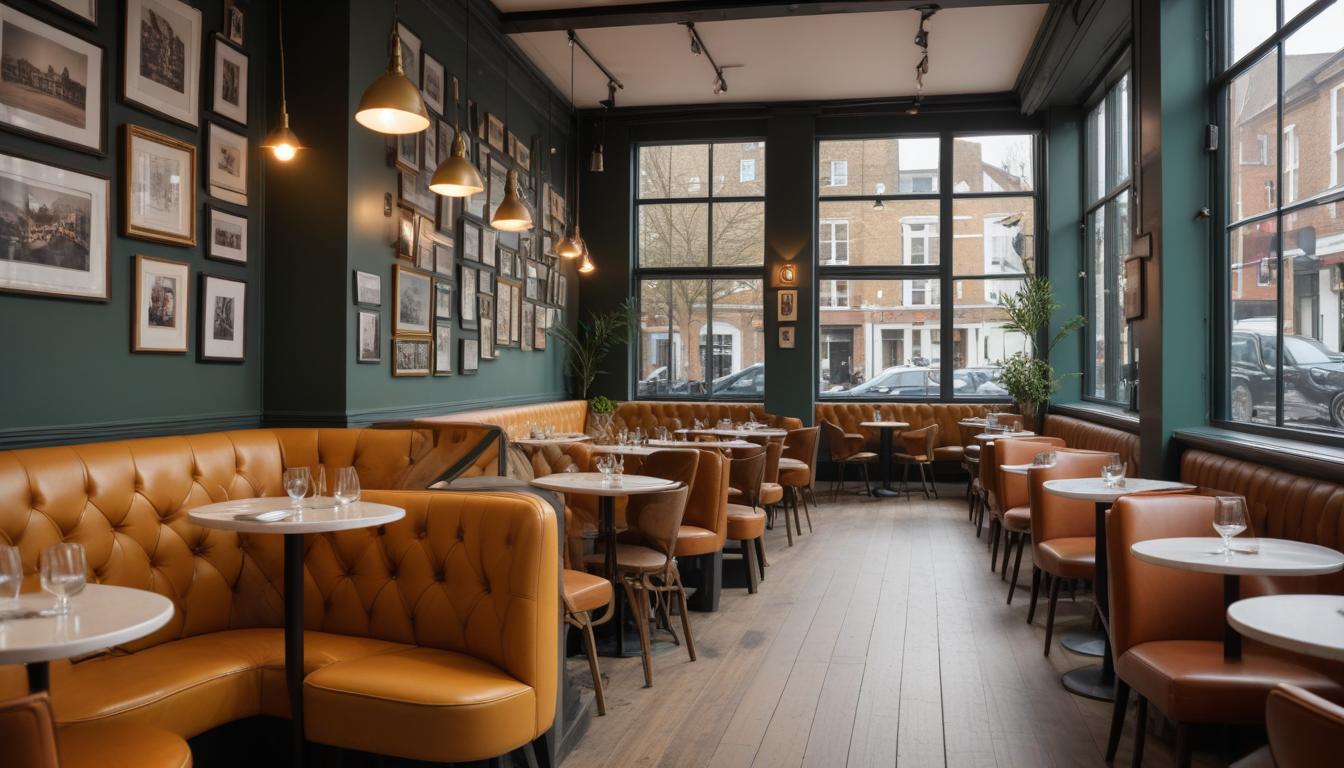
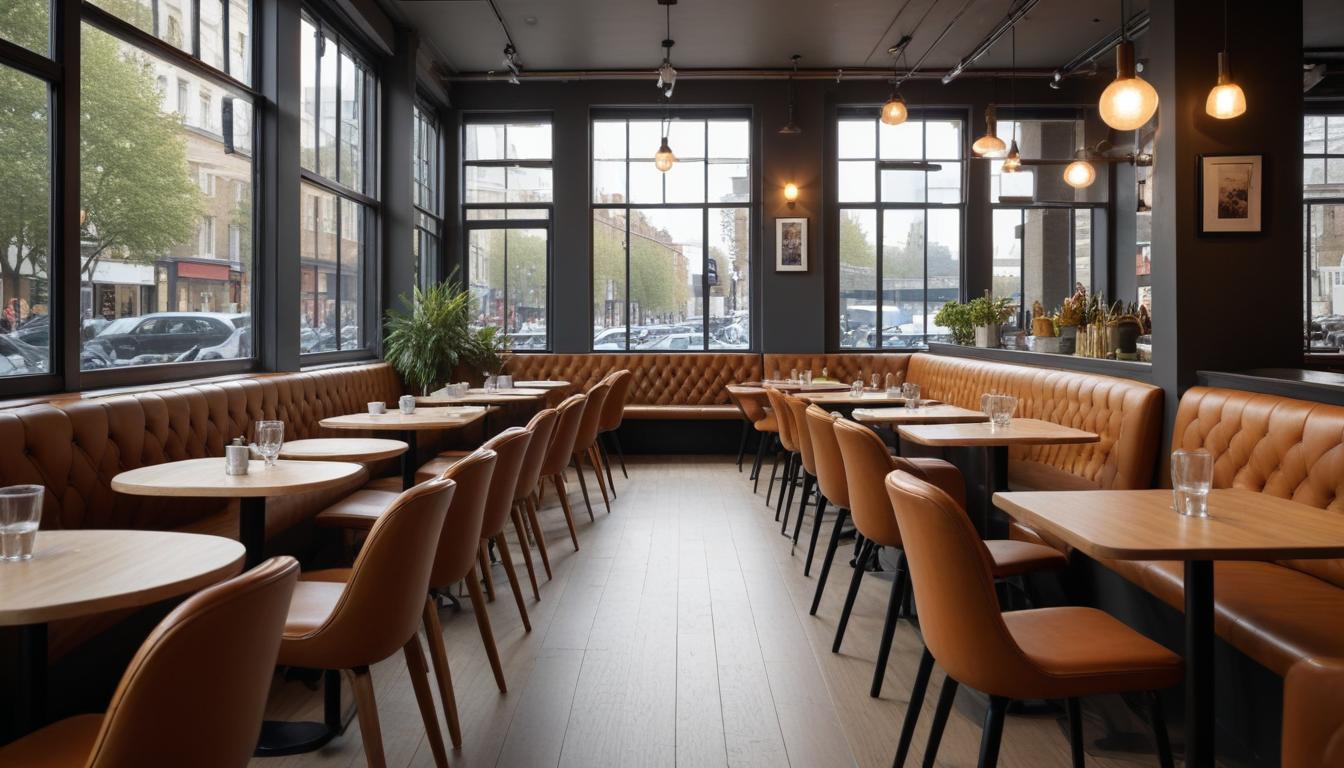
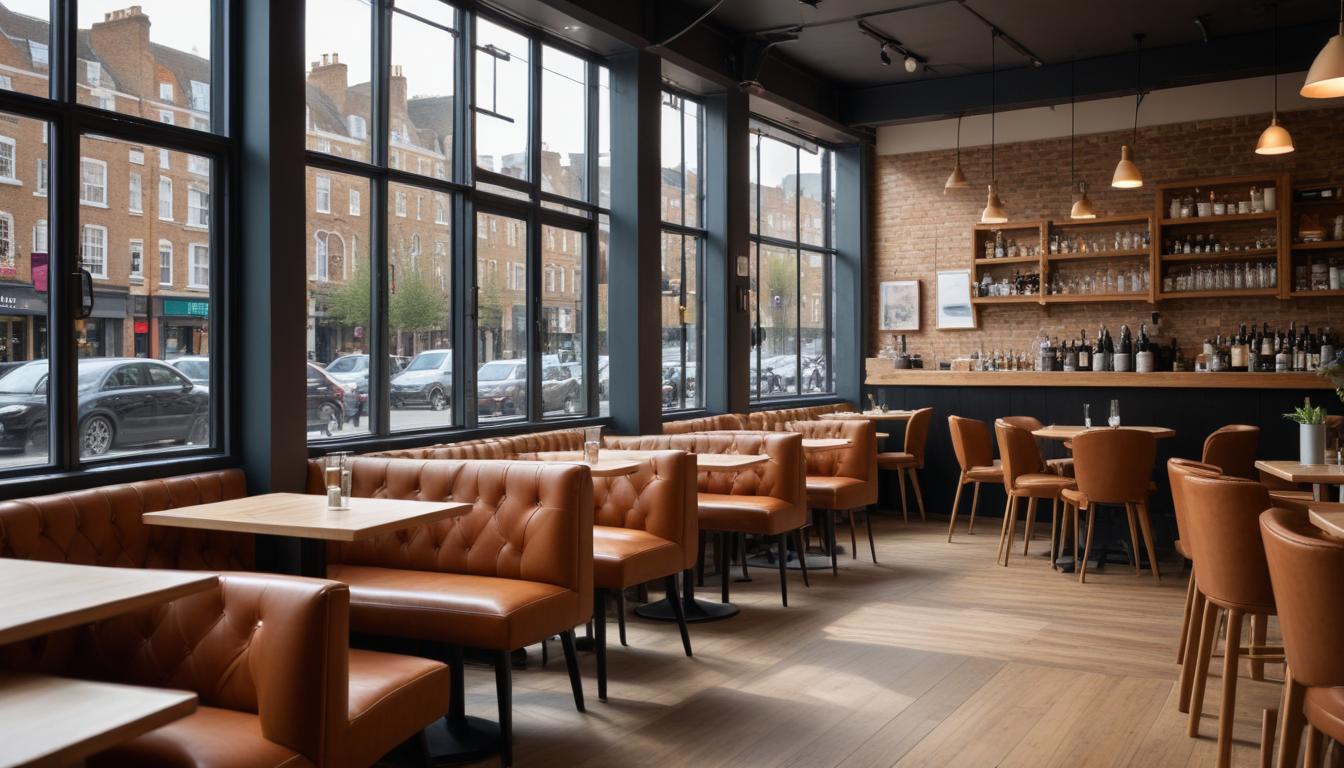
The neighbourhoods around King's Cross—King's Cross itself, St Pancras, and Islington—have undergone remarkable gentrification. While Islington's Upper Street remains vibrant with independent venues and restaurants, a one-bedroom flat now averages £1,800. Breakfast from a third-wave café costs £6-8; a meal for two at a mid-range restaurant runs £50-70 before drinks.
South of the river, Brixton and Peckham offer slightly more breathing room financially, with comparable one-bedroom flats at £1,400-£1,650, though this gap continues narrowing as these areas gentrify. Both neighbourhoods benefit from excellent Transport for London connections and thriving community organisations—Peckham Rye Park Trust and the Brixton community hub offer free or low-cost programming.
Beyond rent, weekly groceries for one person average £40-60 at supermarkets, though independent markets in areas like Ridley Road (Hackney) or Brixton Market offer better value for fresh produce. A gym membership runs £30-50 monthly; NHS dentistry remains notoriously difficult to access, with private check-ups costing £50-100.
The hidden costs compound quickly: council tax bands vary from £1,200-£2,000 annually depending on property value and borough; utilities average £150-200 monthly. Many councils offer resident associations and community groups—essential for discovering affordable activities and navigating local services.
Before committing, spend time in your chosen neighbourhood during weekday mornings and weekends. Walk the streets around prospective flats, check Transport for London journey planners from your workplace, and speak with current residents. London rewards research; it punishes assumptions. The city remains extraordinary, but only if the financial reality aligns with your expectations.
This article was compiled by AI from the sources linked above and screened before publishing. See our editorial standards.
About this article
Published by The Daily London
Spread the word
Daily brief
Free, in your inbox before 7am. Weekdays.
The Daily Network — independent news worldwide