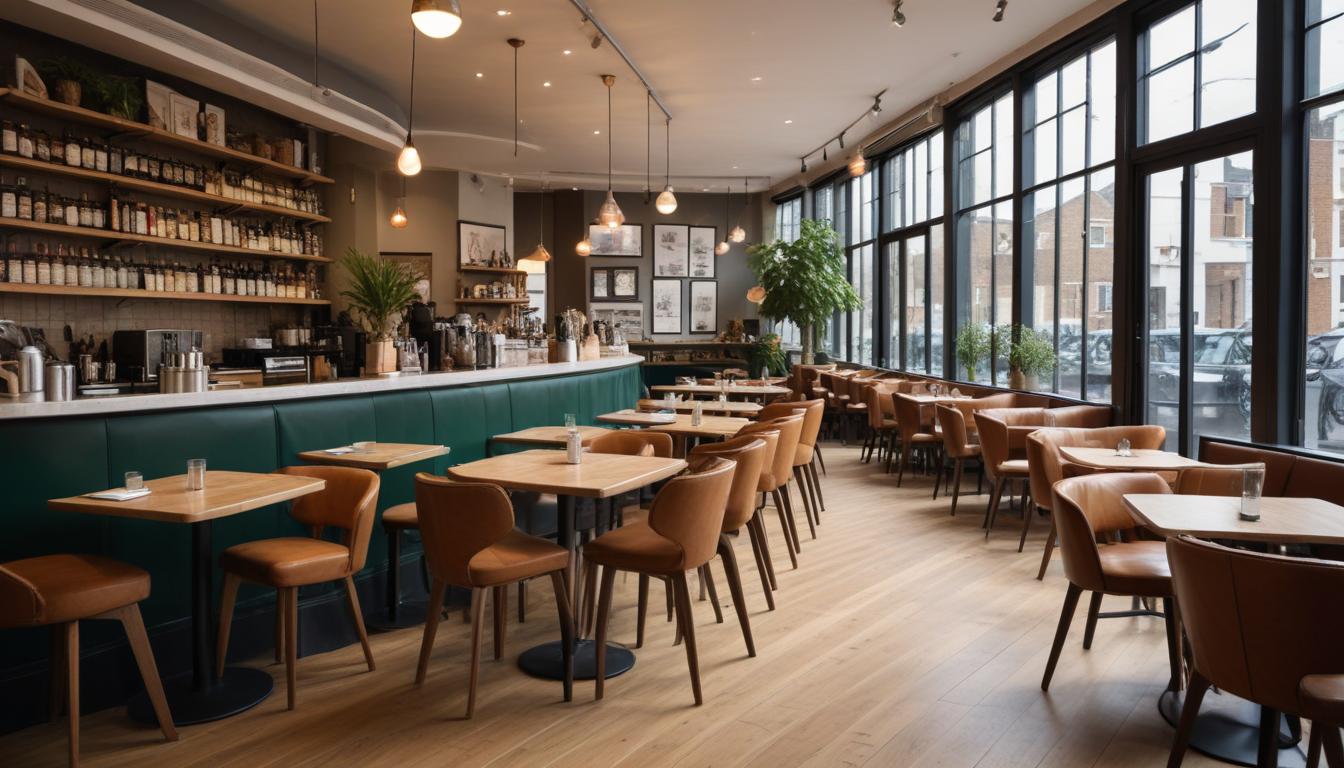
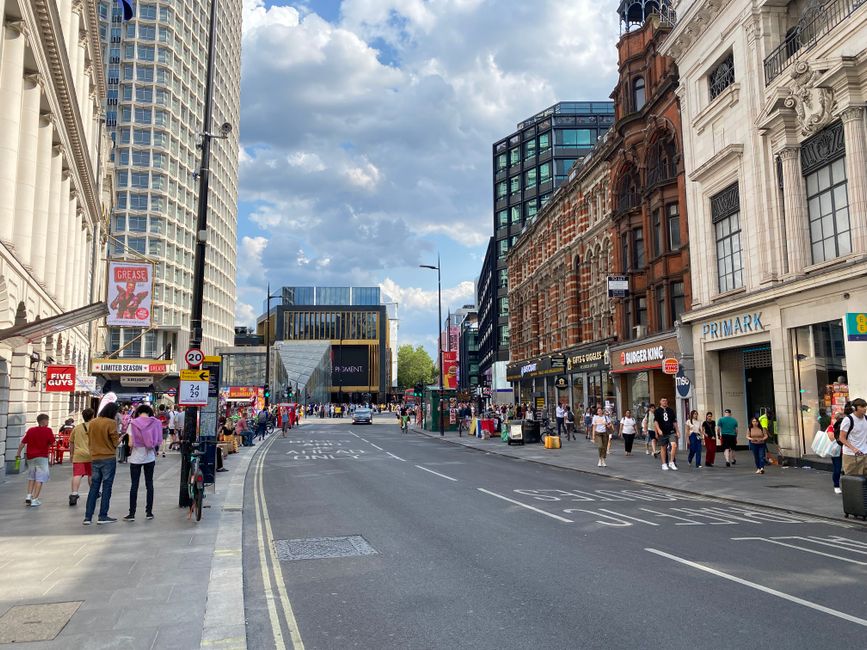
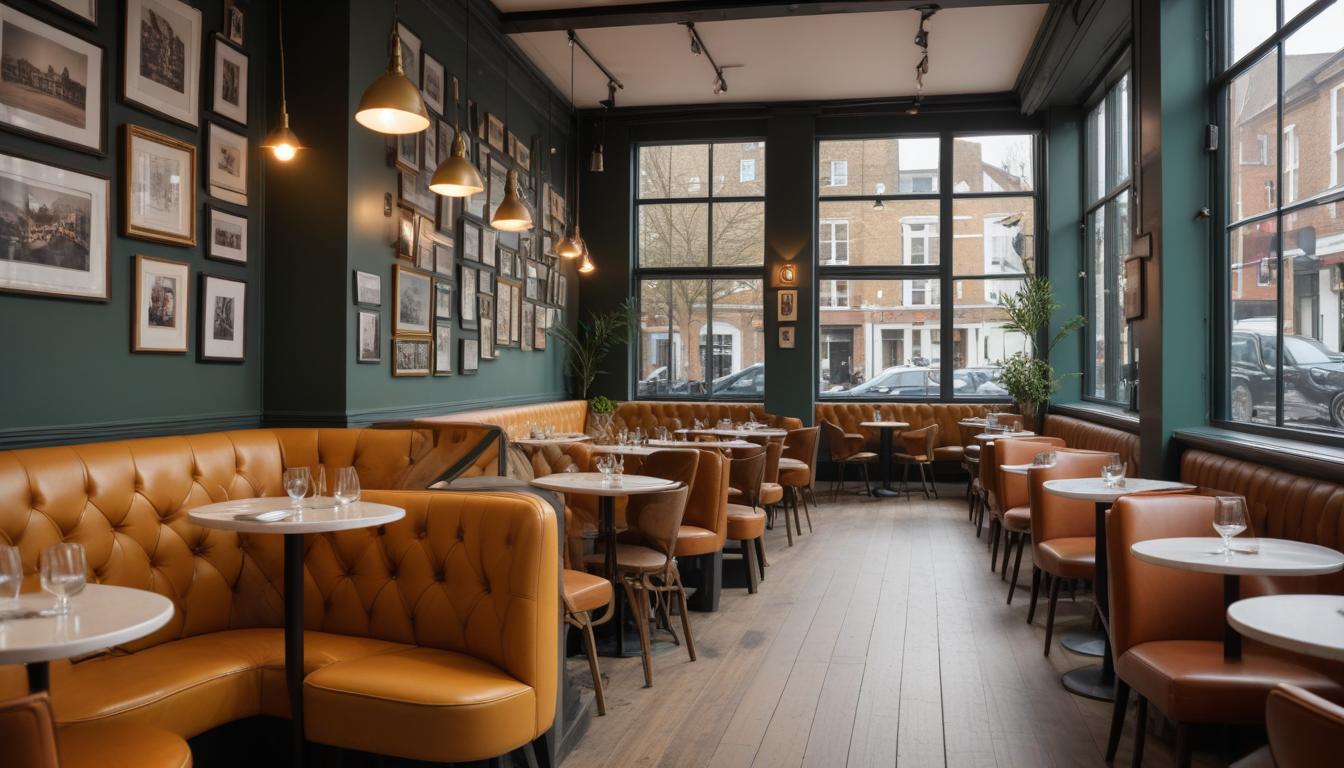
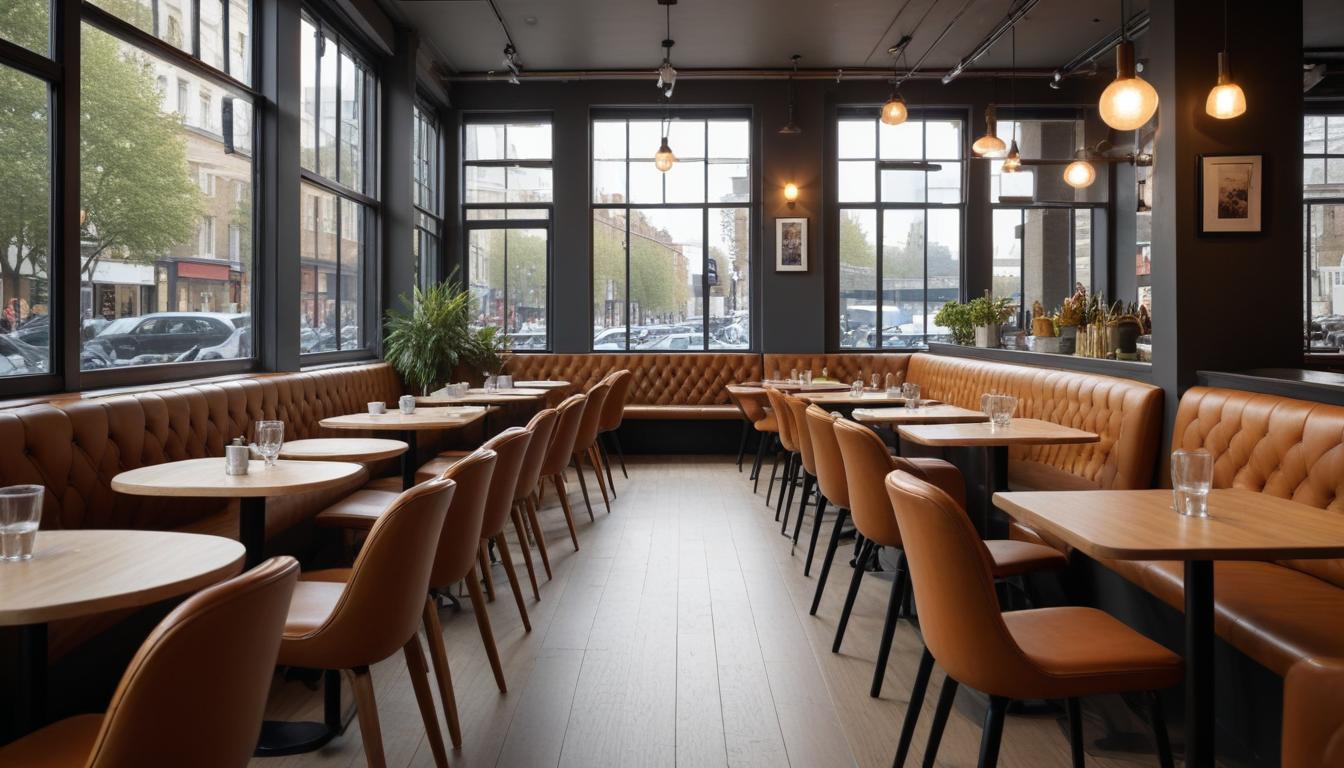
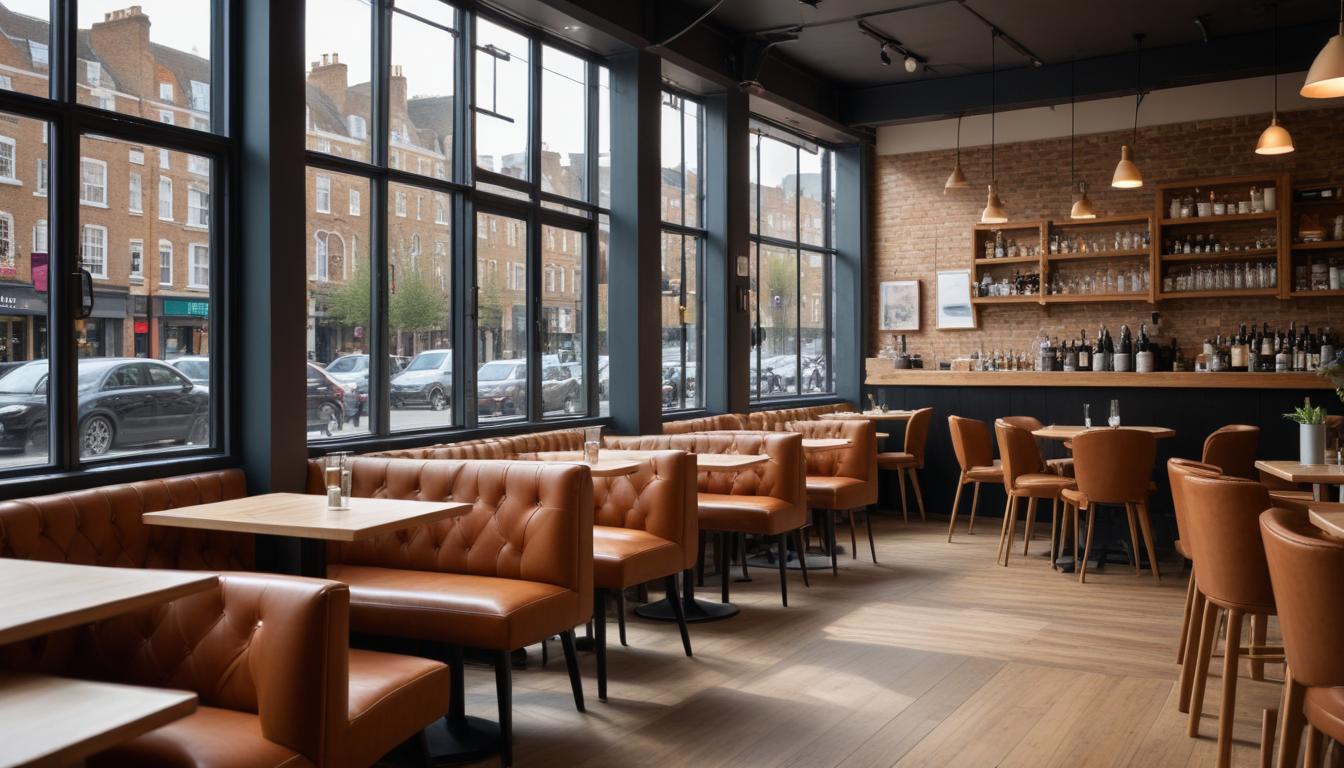
Walk into a Soho or Fitzrovia bar in 2026 and you'll notice something distinctly different from five years ago: the doorman's clipboard is gone. In its place? A genuine welcome for anyone with the price of a cocktail.
London's bar scene has undergone a quiet revolution. What began as pandemic-era reckoning—when lockdowns forced venues to question their exclusionary membership models—has evolved into something more fundamental: a wholesale reimagining of who belongs behind the mahogany. The shift is most visible in Mayfair, where the old guard's iron grip on the neighbourhood's social hierarchy has loosened considerably. Members-only clubs that once turned away tourists now operate hybrid models, with dedicated public bars or set reservation windows. Meanwhile, new venues in Shepherd Market and Mount Street have ditched the pretence entirely, betting their reputation on hospitality rather than gatekeeping.
The numbers tell the story. According to the Night Time Industries Association, London saw a 34% increase in independent bar openings across 2024-2025, with 78% citing 'accessibility and inclusivity' as core to their business model. Average cocktail prices have stabilised around £12-15 in central venues—significantly lower than the £18-22 premium charged by legacy establishments clinging to exclusivity.
Shoreditch and Hackney have particularly benefited. What was once dominated by Instagram-obsessed establishments catering to finance workers has evolved into a genuinely diverse ecosystem. Street-level bars with communal standing areas now sit comfortably alongside craft beer spots and wine lounges. The result? Footfall has increased, locals say, because you no longer need a password, an introduction, or a banking background to enjoy a Friday night out.
But this isn't mere democratisation—it's savvy business. Venues operating on volume and reputation rather than artificial scarcity report stronger profit margins and more sustainable staffing. The Bethnal Green and Clapham bar scenes, traditionally friendlier to newcomers, have become templates for expansion elsewhere.
Perhaps most tellingly, London's young professionals are staying out longer. According to hospitality consultancy CGA, average spend per session in central London bars has climbed 12% year-on-year, suggesting people feel genuinely welcome to linger—the ultimate compliment.
For locals exhausted by years of London's tiered social geography, the change feels overdue. 'It's stupid,' one regular near Old Street observed, 'that a city this big should ever have felt like it wasn't for you.' Finally, it does.
This article was compiled by AI from the sources linked above and screened before publishing. See our editorial standards.