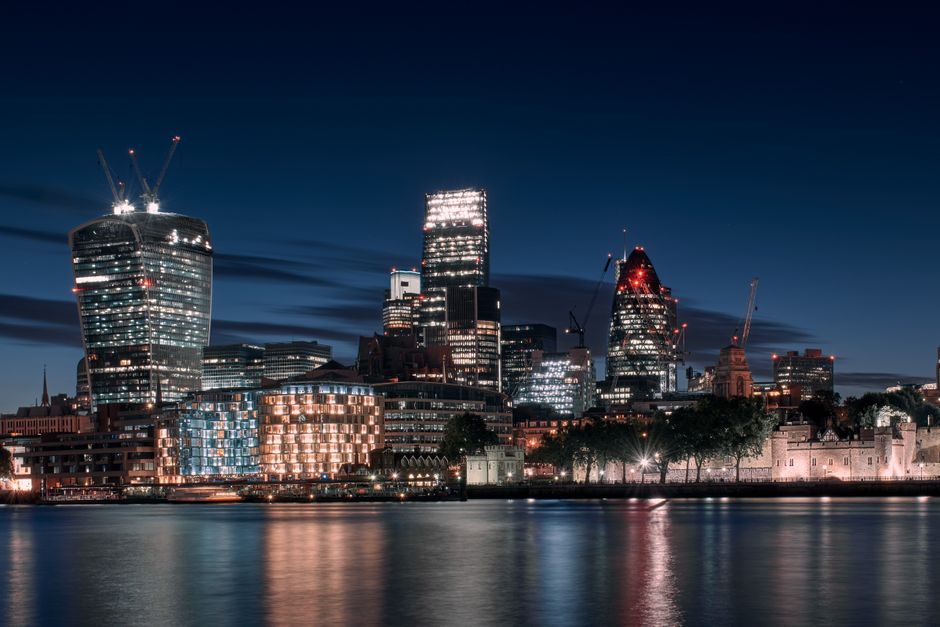
London's sustainability credentials have undergone a dramatic transformation in recent years, positioning the capital as a serious contender in the global race against climate change. Yet how does this ancient city truly compare to the world's environmental frontrunners?
The expansion of the Ultra Low Emission Zone, now encompassing areas as far north as Enfield and south to Croydon, represents London's boldest transport gambit. The scheme has reduced particulate pollution by 44 per cent since 2019—a significant achievement, though Paris's similarly aggressive low-emission policies have yielded comparable results. Berlin, by contrast, has pursued a more gradual approach with its environmental zones, raising questions about whether ambition or pragmatism yields better outcomes.
Green spaces tell another story. London's 3,000 parks consume roughly 22 per cent of the city's landmass, a figure that edges ahead of Madrid's 16 per cent but trails Copenhagen's strategic commitment to waterfront regeneration. The Regent's Canal, once industrial wasteland, now hosts kayaking and riverside restoration projects that Copenhagen's urban planners would recognise. Yet London's tree-planting initiatives, targeting one million new trees by 2050, lag behind Singapore's aggressive urban forestry programme, which has already planted over half a million trees in the past decade.
Energy infrastructure presents a mixed picture. The Solar Together scheme, which allows residents across South London and neighbouring areas to purchase bulk solar installations at reduced cost, has attracted thousands of participants. However, Amsterdam's district heating systems—geothermal networks serving entire neighbourhoods—offer a technological sophistication London has yet to fully embrace, though new hydrogen pilot projects in the East End suggest this may change.
Building refurbishment stands as London's crucial frontier. The Mayor's net-zero retrofit programme targets retrofitting 800,000 homes by 2030, yet Stockholm's 50-year programme has already modernised the majority of its residential stock, achieving some of Europe's lowest per-capita emissions. London's targets remain ambitious but behind schedule; retrofit costs averaging £25,000 per property have proven prohibitive for many.
Where London distinctly excels is governance ambition. The Capital's establishment as a net-zero city by 2030 mirrors Copenhagen's timeline but encompasses a far larger population. Municipal leadership across Islington, Hackney, and Southwark now rivals any European peer in scope and regulatory teeth.
The verdict: London is neither lagging nor leading, but rather running a parallel race. Its scale and complexity demand different solutions than smaller European capitals, yet its investment commitments suggest serious intent to close the gap with global leaders.
This article was compiled by AI and screened before publishing. See our editorial standards.