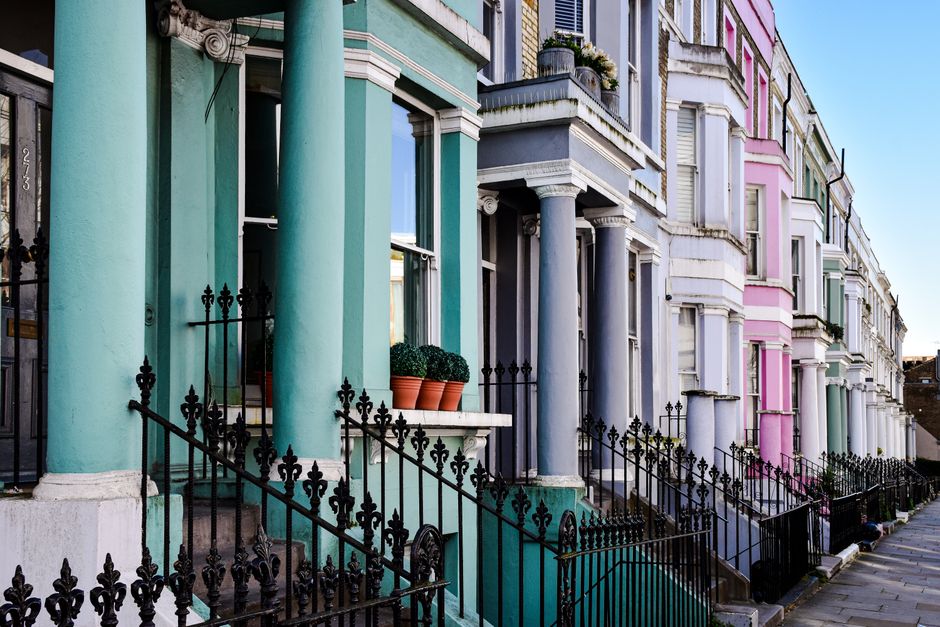
Walthamstow's West End: The North London Neighbourhood Landlords Are Quietly Banking On
As traditional buy-to-let hotspots mature, savvy investors are spotting yields in this revitalised corner of E17—where Victorian terraces, cultural momentum and Elizabeth Line access are proving a potent mix.
This article was generated by AI from the linked public sources. The Daily London is independently owned and covers London news free from advertiser or sponsor influence. Read our editorial standards →
For years, property investors tracked the Elizabeth Line corridor like hawks, banking on Canary Wharf spillover and commuter premiums. But with prices in those prime zones now firmly in the £600k–£750k bracket for a two-bed terrace, a quieter rebalancing is underway. And it's happening in Walthamstow's western neighbourhoods, particularly around Forest Road and the Chestnuts conservation area.
"The maths are shifting," says one Mayfair property consultant tracking rental yields across zones 3–4. While central London buy-to-let yields hover around 3–3.5%, properties in West Walthamstow are delivering 5–5.5% gross yields—a material difference when capital appreciation has plateaued elsewhere. A two-bed Victorian terrace here typically sells for £420k–£480k, renting for £1,500–£1,700 monthly. Tenants? Increasingly young professionals priced out of Hackney, plus young families seeking space without a Zones 1–2 mortgage.
What's driving this migration is visible on the ground. The neighbourhood's cultural infrastructure—Waltham Forest's investment in the International Quarter, independent venues along St James Street, the reopened Leyton Library—has gradually shifted perception. Cosy pubs like The Nags Head have been joined by third-wave coffee roasters and plant-based restaurants. It no longer reads as edgelands; it reads as emerging.
The transport argument is equally persuasive. Central Line access to Liverpool Street takes 20 minutes; the planned Elizabeth Line connection at nearby Waltham Cross (expected 2027–2028) will trim that further. For tenant retention, this matters enormously—particularly for London's expanding remote-hybrid workforce, who value commute optionality.
Landlords considering entry should note the regulatory context. Stamp duty reform has reopened the buy-to-let market after years of stagnation, and Waltham Forest's council tax band structure favours smaller investments—most properties sit in Bands C–D. Maintenance costs remain modest compared to central zones, and void periods, while never zero, track below the London average.
The caveat: Walthamstow's emergence is neither secret nor sudden. Property Twitter has noticed. Prices have climbed 8–10% year-on-year since 2023. First-mover advantage has largely evaporated. But for investors willing to hold medium-term and comfortable with Zone 4 grit alongside cultural polish, West Walthamstow offers something increasingly rare: respectable yields married to genuine neighbourhood momentum—and that remains scarce across Greater London today.
This article was compiled by AI from the sources linked above and screened before publishing. See our editorial standards.
Covering property in London. This article was generated by AI from the linked sources and was not reviewed by a human editor before publishing. See our editorial standards.