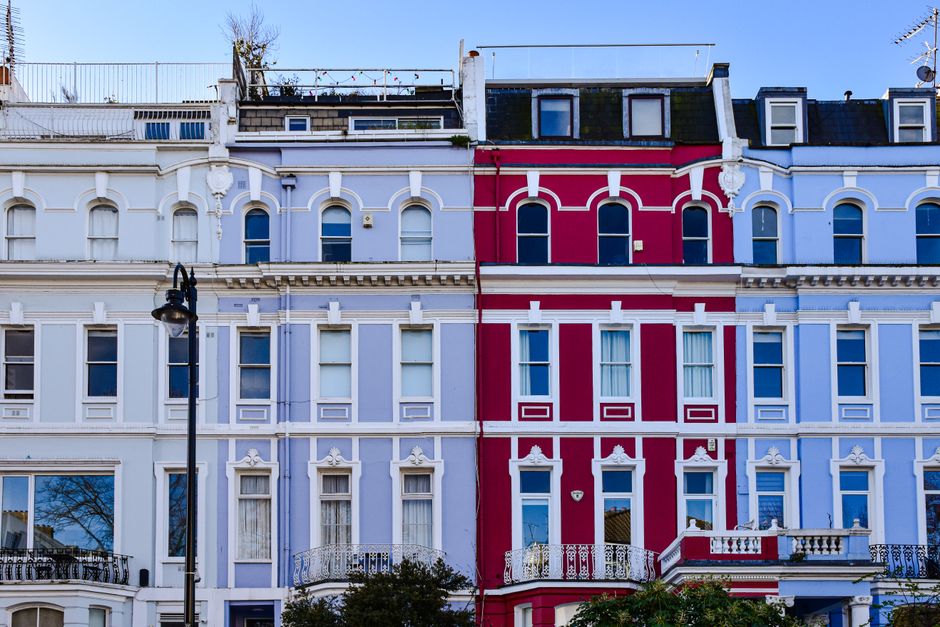
London's ultra-premium property sector is experiencing a decisive shift. Properties trading above £2m in prime postcodes—Mayfair, Belgravia, Chelsea, and the emerging Fitzrovia corridor—are seeing renewed momentum after 18 months of caution. For serious high-net-worth buyers and international investors, understanding the mechanics behind this rebound is essential.
The Elizabeth Line effect dominates the narrative. Crossrail's full operational status has fundamentally altered travel calculus for wealthy families and executives, extending the premium zone's gravitational pull into previously overlooked areas. Zones 3 and 4 neighbourhoods along the corridor—particularly around Woolwich, Abbey Wood, and Romford periphery—are attracting capital that previously would have remained central. However, the real premium pricing power remains anchored to Zones 1 and 2. A typical Chelsea townhouse now commands £6m–£8m, while equivalent properties in Notting Hill trade around £4.5m–£5.5m, reflecting both scarcity and the West London desirability premium.
International confidence has visibly returned. Post-pandemic visa reforms, the rise of London as a political stability haven, and weakened sterling relative to the US dollar are drawing overseas capital—particularly from Gulf states, Asia-Pacific wealth, and North American family offices. Luxury agents report increased viewings from non-resident buyers, though due diligence on beneficial ownership and source-of-funds verification now takes longer.
Stamp duty reform, particularly the higher threshold for corporate purchases and reinvigorated buy-to-let incentives, is quietly reshaping buyer behaviour. The return of institutional investor appetite—pension funds, REITs, and private equity—into prestige rental portfolios has added a new layer of competition, especially in purpose-built rental developments near Southbank and King's Cross.
But headwinds matter. Supply remains historically constrained; prime London inventory sits at roughly 40% below pre-2020 levels. Mortgage availability for £2m+ purchases, whilst improved, remains selective. Buyers need to understand that bridging finance costs, elevated surveying and legal fees (expect £50k–£100k for due diligence on complex properties), and realistic timelines of 90–120 days for completion are now standard.
Interest rate volatility presents the subtler risk. Base rates stabilising around 4.5% has priced in less uncertainty, but the differential between 5-year fixes and longer mortgages suggests cautious lender sentiment. Highly leveraged purchases face tighter stress-testing.
For buyers navigating this market, the message is clear: location dominance (Belgravia, Mayfair, South Kensington command 15%–20% premiums over comparable properties two miles south), proximity to Elizabeth Line stations, and architectural provenance now command concrete premiums. Timing remains volatile, but supply-side scarcity suggests this window of buyer leverage is closing.
This article was compiled by AI from the sources linked above and screened before publishing. See our editorial standards.