Property
Tight Squeeze: How London's Rental Market Shift Is Testing Both Tenants and Landlords
With vacancy rates tightening across the capital, renters face stiffer competition while landlords navigate new economic pressures.
2 min read
Property
With vacancy rates tightening across the capital, renters face stiffer competition while landlords navigate new economic pressures.
2 min read
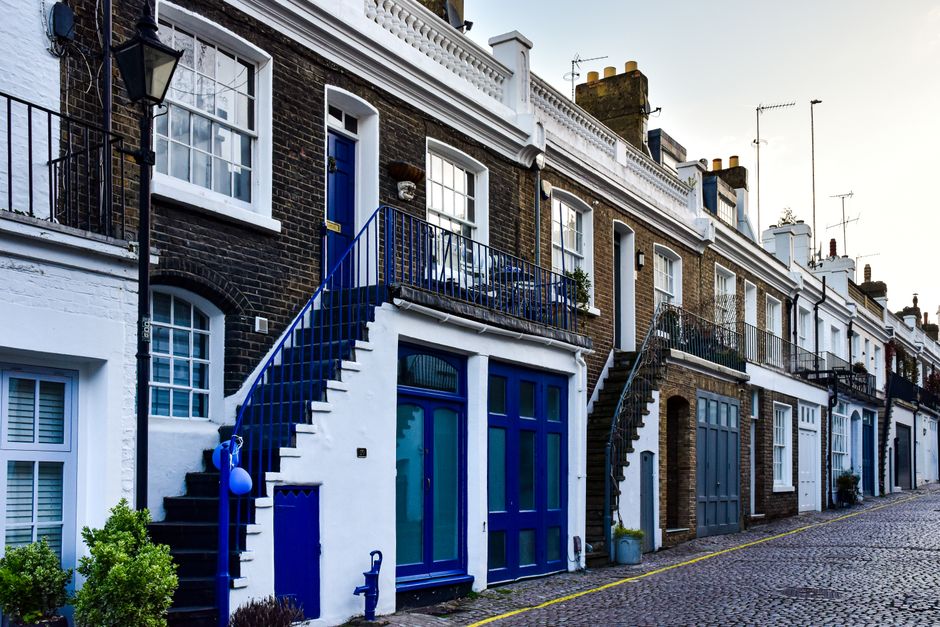
London's rental market is undergoing a notable recalibration. After years of tenant-favourable conditions, vacancy rates have compressed significantly, reshaping the dynamics between renters and property owners across the capital's sprawling postcodes.
In central zones, the squeeze is most acute. Properties in Fitzrovia and Marylebone—traditionally competitive markets—are now attracting multiple applications within 48 hours of listing. Average rents in Zone 1 remain stubbornly high at £2,200+ for a one-bedroom, yet landlords report shorter void periods, suggesting pent-up demand from corporate relocations and international tenants returning post-pandemic.
The Elizabeth Line effect has been particularly pronounced in transitional neighbourhoods. Hayes & Harlington and West Drayton, once overlooked by London renters, now see three-week average lease agreements and rising rents. Tenants are gambling on commute-time savings, accepting a 45-minute journey for a £300 monthly saving on a two-bed flat.
However, the pressure cuts both ways. Landlords, particularly smaller operators in Zones 4–6, face mounting mortgage costs and new regulatory burdens following recent stamp duty reform that incentivised buy-to-let investment. Property management companies report increased enquiries from owners considering exit strategies, yet falling vacancy rates mean those who remain are enjoying improved rental yields—though not without friction.
For tenants, tighter conditions have resurrected practices long considered obsolete. Competitive bidding, where renters offer above-advertised rates, has quietly returned in postcode pockets like Clapham and Balham. Deposit disputes, meanwhile, are at a five-year high according to dispute resolution bodies, as landlords become more assertive with deduction claims during market peaks.
The Elizabeth Line corridor, stretching from Paddington through central London to Abbey Wood, has emerged as the season's primary battleground. Properties near stations command premiums, but vacancy rates in surrounding areas—Southall, Hanwell—remain marginally healthier, offering relief for price-conscious renters willing to sacrifice central convenience.
Yet genuine vacancy exists in overlooked pockets: Elephant & Castle's ongoing regeneration has created micro-vacancies, as has the Croydon tech hub expansion attracting younger tenants southbound. Local lettings agents report tenant churn in these emerging areas remains above 15%, compared to Zone 1's <5%.
The message for both parties is clear: the rental landscape is fragmenting. Flexibility—whether from landlords accepting longer voids or tenants embracing less obvious neighbourhoods—increasingly determines success. Market conditions now reward those willing to deviate from conventional choices.
This article was compiled by AI from the sources linked above and screened before publishing. See our editorial standards.

Property

Property

Property

Property
About this article
Published by The Daily London
Spread the word
Daily brief
Free, in your inbox before 7am. Weekdays.
The Daily Network — independent news worldwide