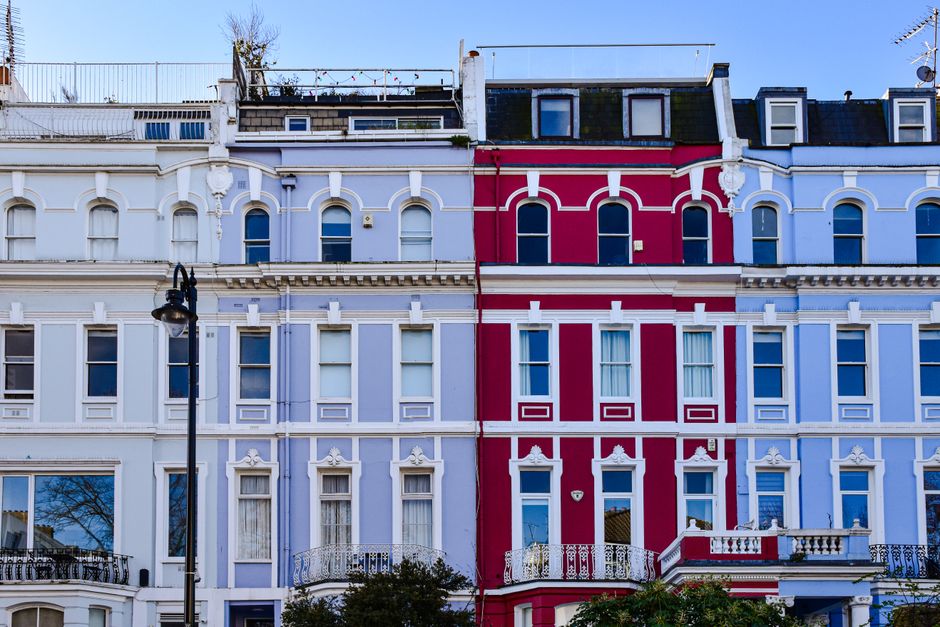
London's ultra-prime property market—traditionally defined as properties exceeding £2m in Zones 1 and 2—is experiencing a peculiar moment. While headline prices have remained resilient, the drivers behind them have shifted markedly in the past eighteen months, creating both opportunity and risk for serious buyers.
The Elizabeth Line effect remains potent. Properties along the corridor, particularly in Maida Vale, Fitzrovia, and Canary Wharf's emerging residential cluster, have seen consistent upward pressure. A Fitzrovia townhouse that might have achieved £3.2m in 2024 now regularly commands £3.6m-£3.8m, though volume has tightened. This isn't irrational exuberance; connectivity premiums genuinely reflect buyer behaviour, with international purchasers valuing travel time to Heathrow and central employment hubs.
What's changed, however, is the buyer profile. Stamp duty reform on purchases above £500k—reducing the effective rate for many ultra-prime acquisitions—has revived buy-to-let interest among London wealth managers and international investors. This has created a two-tier market: owner-occupiers competing with yield-focused capital, pushing prices upward but also introducing volatility.
Chelsea and Belgravia, historically London's prestige heartland, tell a cautionary tale. Properties in the £4m-£6m bracket have faced longer sales cycles, with some sellers accepting 8-12% reductions after holding through 2024-2025. Regulatory uncertainty around foreign ownership and council tax bands for ultra-prime properties may be suppressing demand among traditional trophy buyers.
Meanwhile, emerging pockets—Hackney's converted warehouses, Peckham's galleries-and-restaurants narrative, and Southwark's regeneration corridor—are attracting wealthy buyers aged under 50 seeking authenticity over postcode prestige. A £2.5m loft in Hackney Wick may now yield stronger appreciation than a equivalent Chelsea apartment.
For buyers entering the market now, three realities matter: first, location arbitrage is alive, but you must understand your buyer cohort (owner versus investor mentality changes valuations); second, interest rate expectations still matter—even ultra-prime markets weaken when mortgage costs remain elevated; third, 18-month hold expectations are now standard, not the five-year horizons of previous cycles.
London's prestige market isn't cooling, but it is fragmenting. Those who understand the Elizabeth Line narrative, buyer psychology by neighbourhood, and the distinction between fundamental value and speculative pricing will navigate 2026-2027 successfully. Others risk overpaying for legacy postcodes in a market that increasingly rewards informed localism.
This article was compiled by AI from the sources linked above and screened before publishing. See our editorial standards.