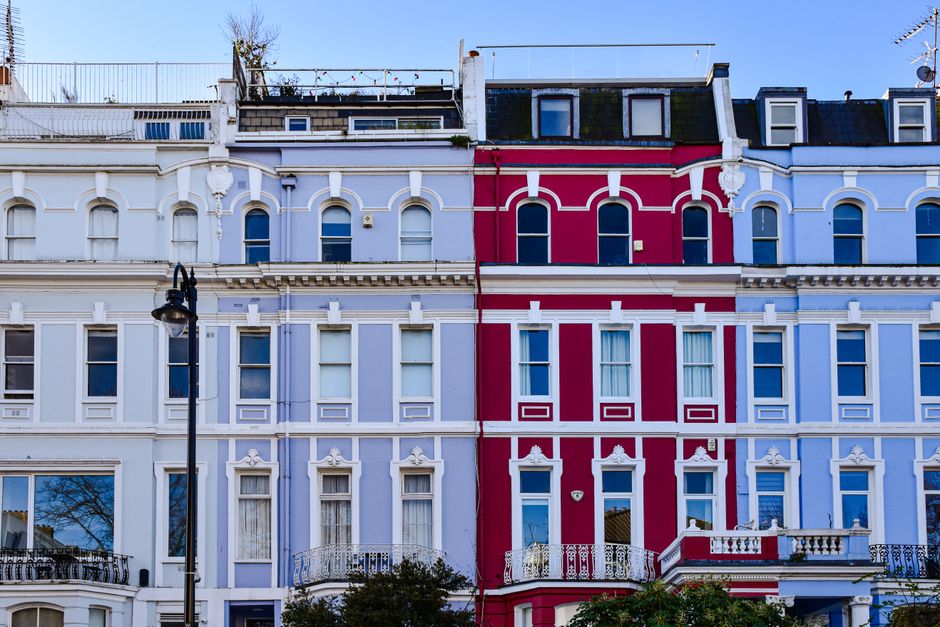
London's ultra-premium property market has entered a new chapter. While broader UK housing faces headwinds, the £2m-plus segment is experiencing a curious vitality, driven by three converging forces that savvy buyers and investors need to understand before committing capital.
The first is supply. Fewer trophy properties are changing hands in prime central London—Belgravia, Knightsbridge, and Mayfair—precisely when international demand remains elevated. Brexit-era uncertainty has passed; instead, wealthy overseas buyers view London assets as stable repositories of wealth. The Elizabeth Line's opening has turbocharged the Fitzrovia-to-King's Cross corridor, pushing premium prices along the western approach to Zone 1. Nearby properties that once seemed fringe—around Bloomsbury and Covent Garden—now command £1.5m to £3m as accessibility to the City improved.
Second, the regulatory environment has shifted. The recent stamp duty reform has reactivated buy-to-let investment in prime London, a market segment that lay dormant for years. Investors calculating yields on Chelsea or Kensington townhouses are finding acquisition windows closing rapidly. This urgency translates to upward pressure on asking prices, particularly for period properties with period charm, conversion potential, or redevelopment upside.
Third, and often overlooked, is currency. Sterling weakness against the dollar and euro has made London addresses cheaper for international purchasers, even as prices rise in pound terms. A $5m budget stretches further today than in 2023. This arbitrage is particularly evident in south of the Thames developments—Battersea Power Station and the Nine Elms corridor—where new-build luxury continues to attract foreign capital seeking off-plan appreciation.
What should buyers know now? Competition is real and fast-moving. Advisors report that properties in the £3m-£5m range receive multiple offers within weeks of listing. Expect to move quickly and professionally if you've identified a target. Second, understand your true total cost: transaction fees, renovation budgets, and ongoing maintenance on period properties can easily add 15–20% to headline price.
Third, think about currency exposure if you're foreign-based. Lock in financing early; London lenders remain competitive, but rate certainty matters when sterling fluctuates.
The market isn't irrational—it's responding to genuine scarcity, regulatory change, and international appetite. But it's also a market where due diligence separates wise purchases from expensive mistakes. The time to buy at London's top end remains now, but only with eyes wide open.
This article was compiled by AI from the sources linked above and screened before publishing. See our editorial standards.