London's property ladder has never felt more distant for first-time buyers. With the capital's average house price sitting stubbornly above £500,000, and premium postcodes in Zones 1-3 commanding eye-watering premiums, the dream of homeownership can feel like just that—a dream.
But recent policy changes and emerging housing schemes suggest the picture is shifting. The stamp duty reform has reinvigorated the buy-to-let sector, freeing up rental stock and creating competition that benefits tenants. Meanwhile, local authorities across London are expanding affordable housing programmes, offering a genuine pathway for first-time buyers willing to look beyond the traditional hotspots.
The Elizabeth Line corridor is proving pivotal. Areas like Hayes and Harlington, West Drayton, and Iver in West London are seeing regeneration investment tied to the transport link. First-time buyers with budgets of £350,000-£450,000 are finding family homes here that would cost double in zones closer to central London. The trade-off is commute time, but the improved connectivity has made it viable for London workers.
Zones 4-6 are where real opportunity lies. Neighbourhoods like Clapham Junction, Croydon (where major regeneration continues), and areas along the new Elizabeth Line extension are attracting first-time buyer focus. Property here typically ranges from £280,000-£420,000 for two-bedroom semis or flats—far more achievable than central alternatives.
For genuinely affordable options, London's housing associations and local authority schemes remain underutilised resources. Programmes like the Mayor of London's First Homes initiative require buyers to purchase at 30% below market value, and several are available across outer London boroughs. Newham, Barking and Dagenham, and Havering all have active schemes worth investigating.
The practical steps: register with local authority housing registers early—there's often a waiting list, but eligibility begins from registration date. Research your council's affordable housing policy; each borough has different thresholds and schemes. Check with housing associations directly; many have dedicated first-time buyer programmes that don't require going through the open market.
Organisations like Shelter and the National Housing Federation offer free guidance on schemes and entitlements. Citizens Advice also provides local property advice, crucial for understanding your area's specific opportunities.
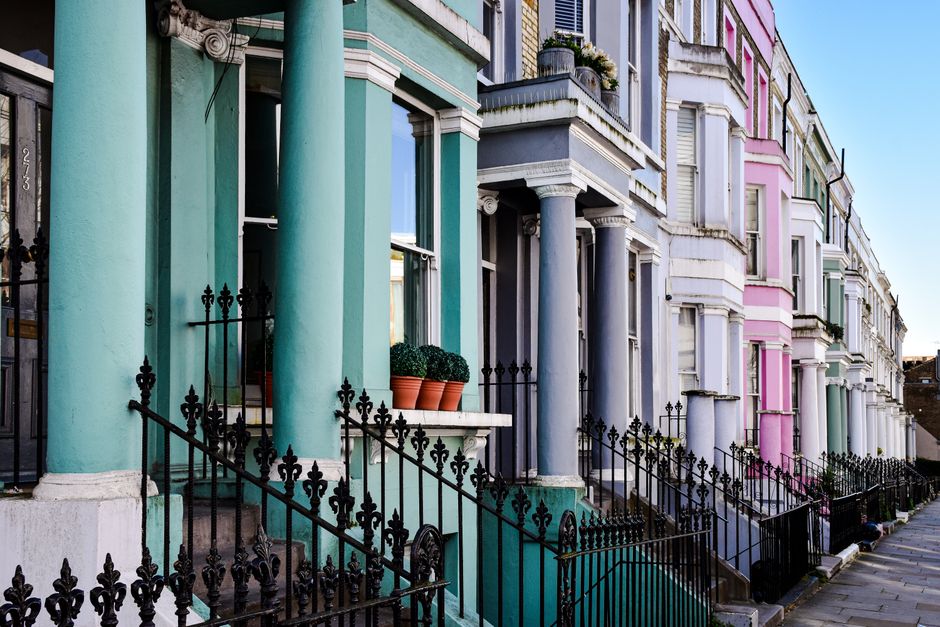
The reality: London's affordable housing market requires patience, flexibility on location, and willingness to look beyond Instagram-worthy postcodes. But for first-time buyers, it's increasingly viable—if you know where to look.
This article was compiled by AI from the sources linked above and screened before publishing. See our editorial standards.