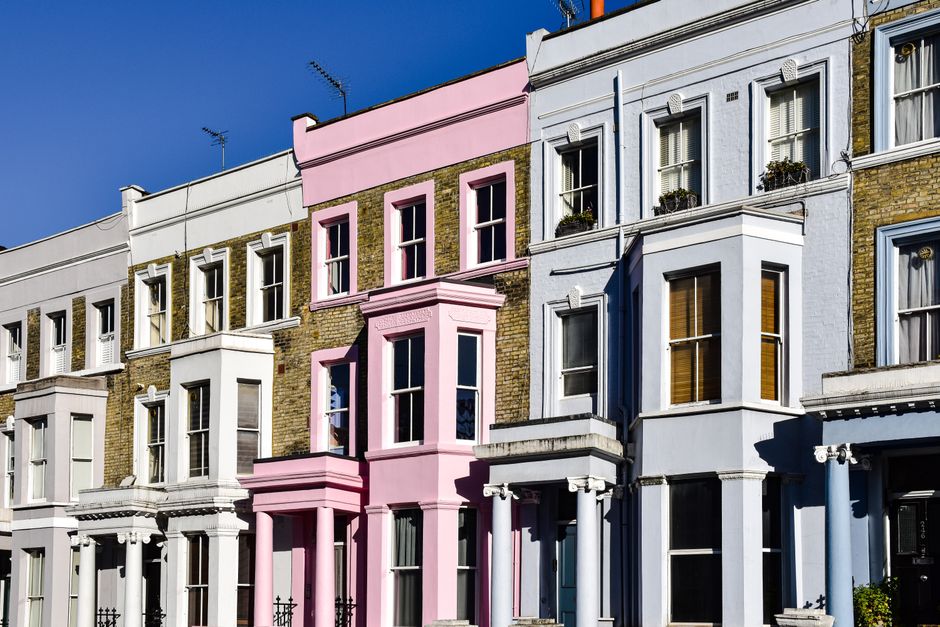
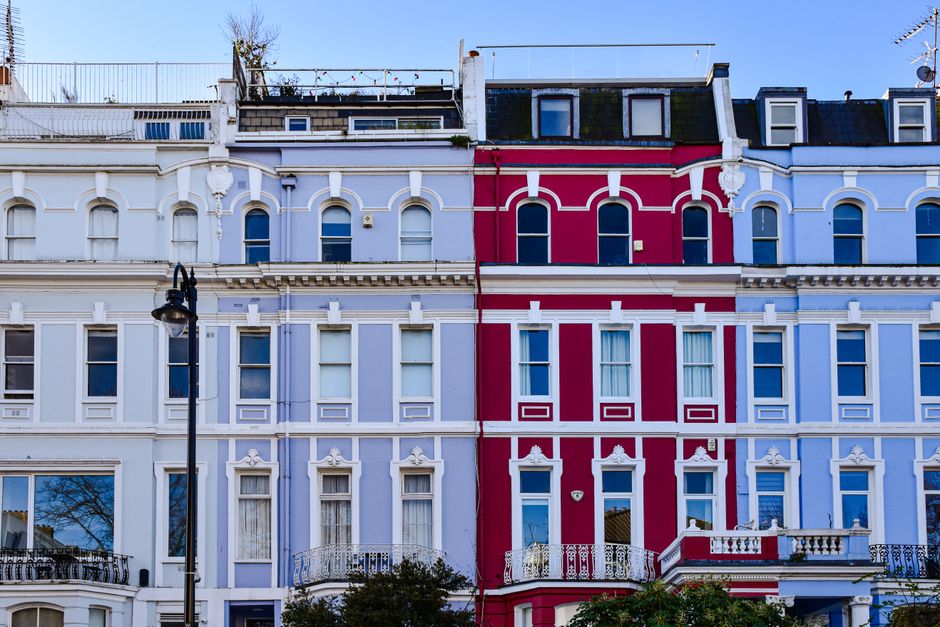
London's property market is being pulled in three directions simultaneously, creating both opportunity and urgency for buyers. The average house price now sits comfortably above £500,000, yet beneath that headline figure lies a complex story about where wealth is concentrating and where smart money is moving.
The Elizabeth Line remains the primary driver reshaping London's geography. Neighbourhoods along the corridor—from West Drayton through to Woolwich—are experiencing measurable price acceleration. Properties in Slough and Hayes & Harlington, previously dismissed as commuter dormitories, are attracting London-focused buyers priced out of Zones 1 and 2. This isn't speculation; it reflects genuine transport-led uplift. Meanwhile, central London postcodes remain stubbornly premium. A modest two-bedroom in Mayfair or Knightsbridge still commands £2m-plus, though transaction volumes suggest even wealthy buyers are reconsidering value propositions.
The second force reshaping demand is the recent stamp duty reform. Buy-to-let investors have returned after years of regulatory pessimism. This has particular impact in Zones 4-6, where yield-hungry landlords are competing with first-time buyers. Neighbourhoods like Croydon, Stratford, and areas along the Central and Northern Lines are seeing renewed competition. For owner-occupiers, this means two things: first, rental demand will likely remain robust, supporting capital values; second, they're now buying against a new cohort of institutional interest.
The third—and most overlooked—driver is structural undersupply. London's planning pipeline remains constrained. Major schemes like Old Oak Common and the Greenwich Peninsula are progressing, but completion timescales stretch to 2028-2030. This means near-term scarcity, particularly in family homes (three-plus bedrooms) across Zones 3-4. A three-bed semi in Ealing or Richmond, once the aspirational London goal, now starts at £800k-£1.2m depending on street and condition.
What does this mean for buyers now? First, the window for Elizabeth Line corridor purchases is open but narrowing—agents report off-plan schemes in Woolwich selling faster. Second, if you're a first-time buyer, accept that Zones 1-2 may require either compromise (smaller, older, requiring work) or partnership. Third, yields in Zones 5-6 are improving for investors, but ensure you're buying for structure, not just hoping for overnight appreciation.
The London market isn't broken, but it is bifurcated. Your move depends on your timeline and motivation. The data suggests waiting no longer makes sense.
This article was compiled by AI from the sources linked above and screened before publishing. See our editorial standards.