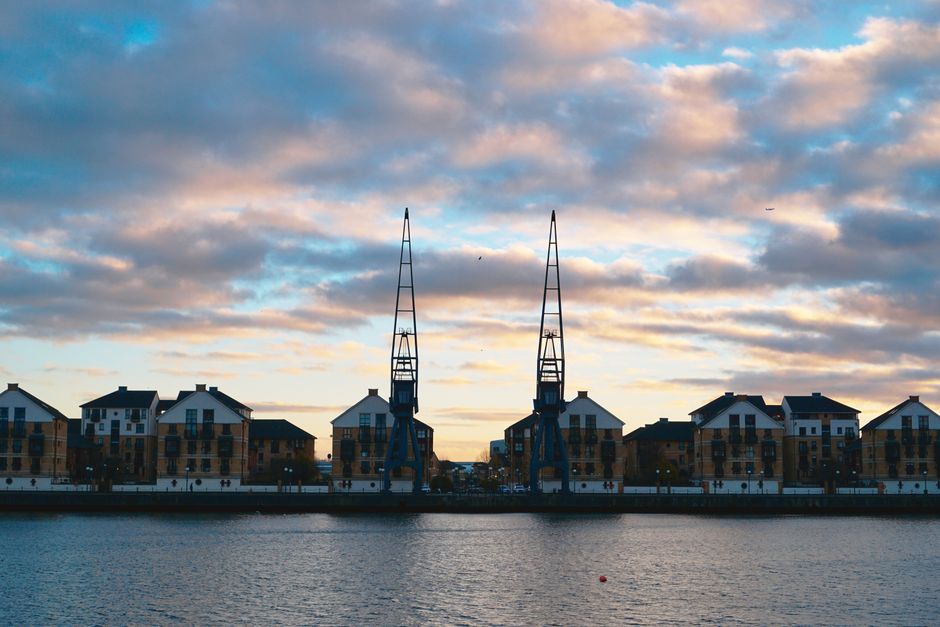
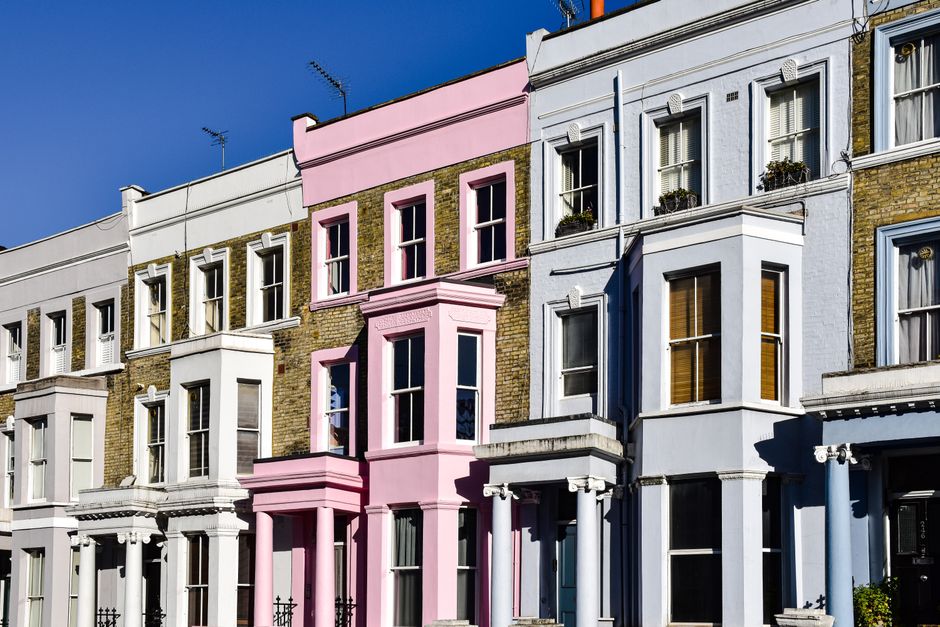
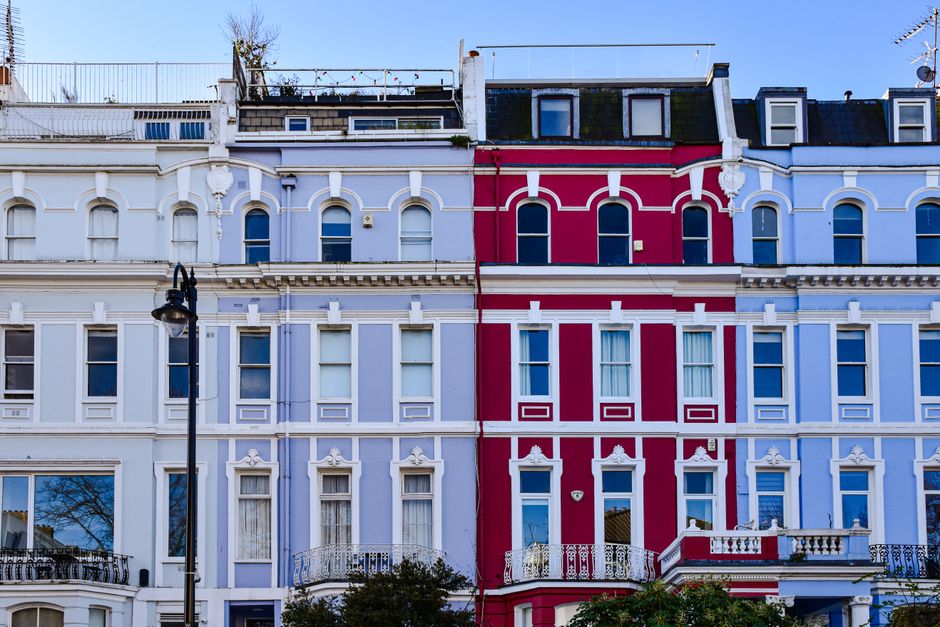
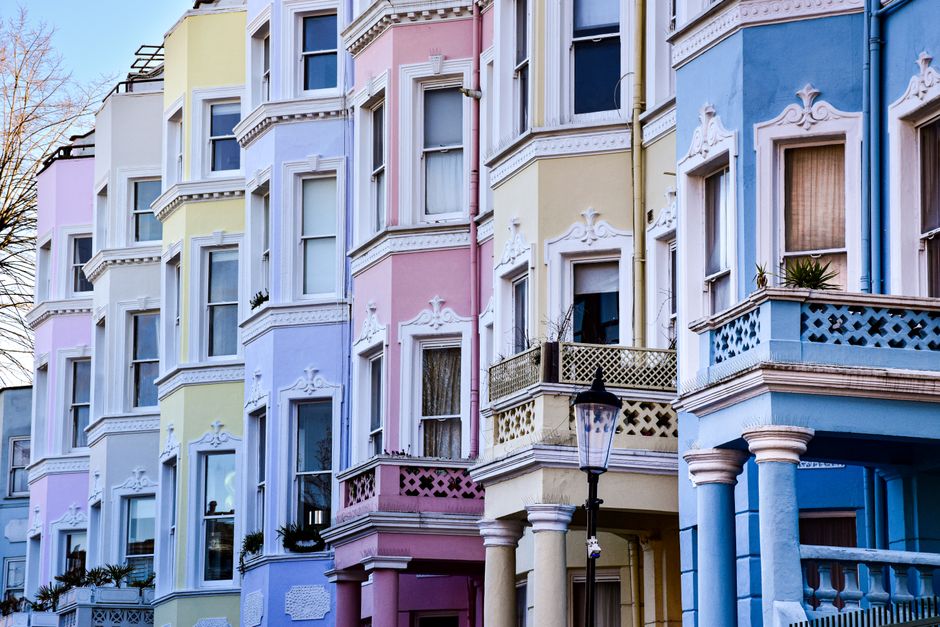
Wapping's transformation reads like London property's greatest comeback story. Five years ago, riverside lofts here traded at £650,000 to £800,000. Today, comparable units command £950,000 to £1.2m—a 40% surge that rivals Zone 1 postcodes while offering what central London increasingly cannot: space, light, and genuine waterfront living.
The shift isn't random. The Elizabeth Line's arrival at nearby Whitechapel has collapsed commute times to Canary Wharf and the City, while Wapping's own St Katharine Docks continues reinvention as a mixed-use destination. Recent planning approvals along Shad Thames and the Thames Path extension have unlocked development potential last seen during the Docklands boom. Local agents report a 60% year-on-year rise in enquiries from buy-to-let investors returning post-stamp duty reform—particularly from those priced out of Zones 1 and 2.
What distinguishes Wapping from speculative froth? Fundamentals. The neighbourhood's population is young and affluent, with household incomes among London's highest. The Prospect of Whitby, Scandinavian Kitchen, and emerging galleries along Bermondsey Street anchor weekend footfall. Schools like Whitmore Primary consistently rank in the capital's top 20%. Meanwhile, the Thames Path's pedestrian infrastructure—newly extended through the Venetian Wharf development—has created a lifestyle proposition that no landlocked Zone 4 or 5 suburb can replicate.
Developers are betting accordingly. PLP Architecture's recently completed riverside complex at Wapping Wharf delivered 116 apartments at an average £895,000. A further 340 units are in planning or under construction across Shad Thames, Sugar House Island, and the former News International site—each with river-facing premium positioning.
The risk? Over-supply in a climate-conscious market where flood risk, though low, remains a conversation topic. Stamp duty thresholds and base rate movements could also cool investor appetite. Yet institutional money—including major pension funds and overseas developers—continues targeting Wapping specifically, not adjacent Bermondsey or Rotherhithe, suggesting confidence runs deeper than cyclical sentiment.
For property professionals, Wapping represents the rare convergence of infrastructure investment, neighbourhood maturation, and supply constraint. Unlike viral suburbs that peak on Instagram then fade, Wapping's momentum appears anchored to tangible change. In a fragmented market, that distinction is worth watching—and, for some, worth buying.
This article was compiled by AI from the sources linked above and screened before publishing. See our editorial standards.