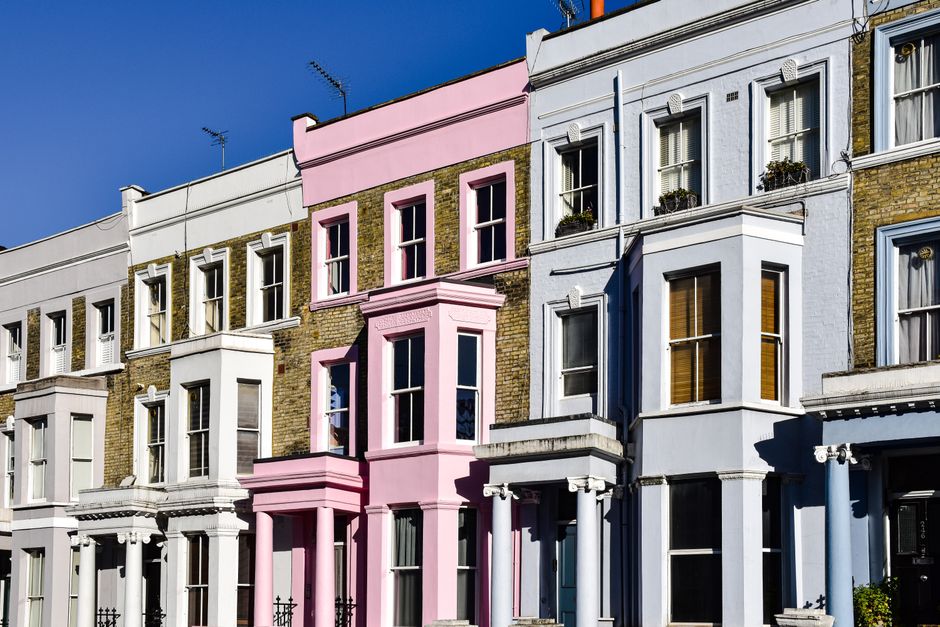
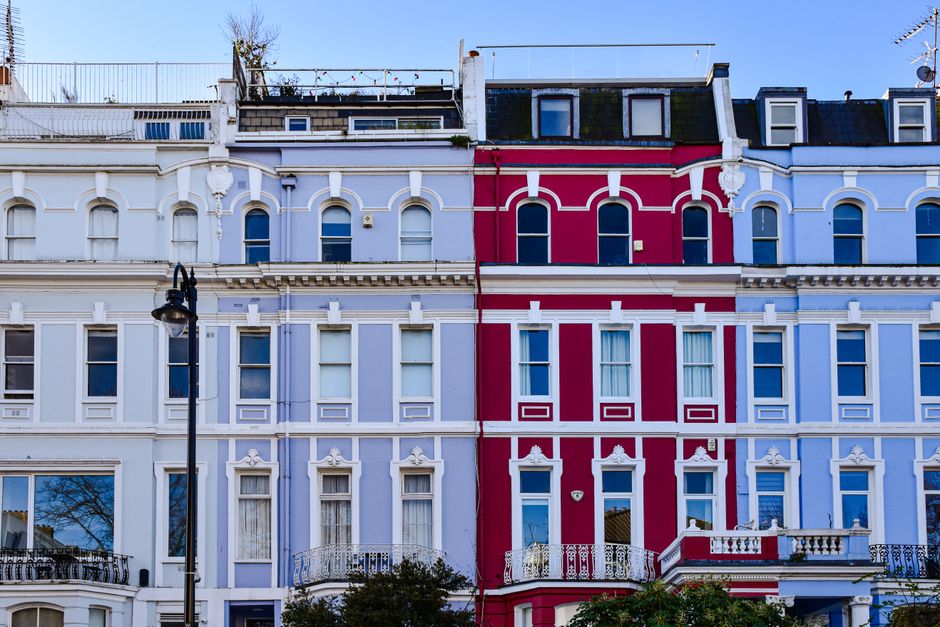
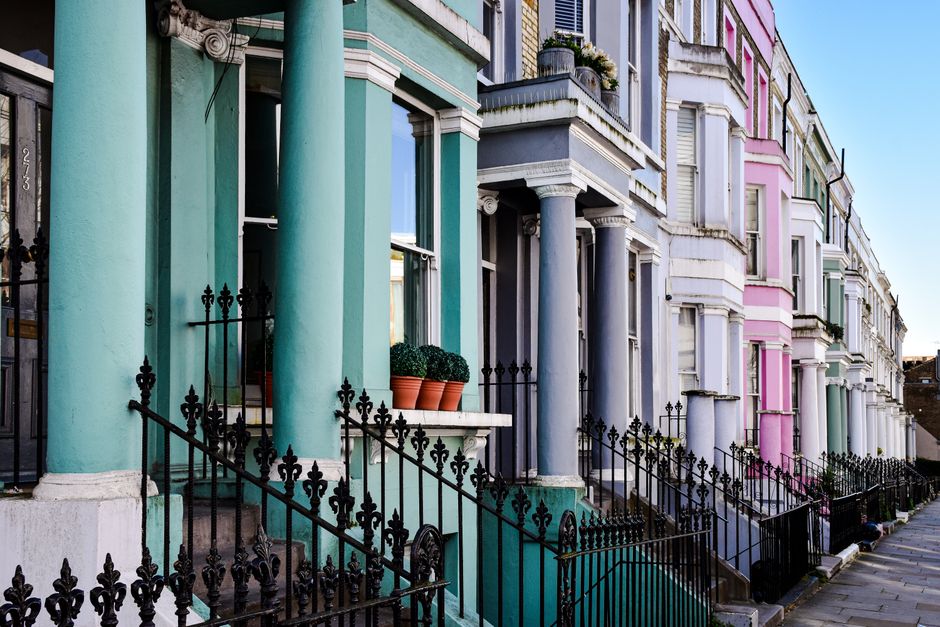
The luxury property market in London operates by its own rules. While the average London home hovers above £500,000, properties in Zones 1 and 2—Knightsbridge, Belgravia, Notting Hill, and the newly resurgent Elizabeth Line corridor—command premiums that can double or triple those figures. For first-time buyers entering this rarefied space, understanding the landscape is essential.
Start with realistic expectations about location. If you're aiming for sub-£1.5m in prime central London, you're looking at one-bedroom flats in prestigious postcodes or substantial properties in emerging corridors like Shoreditch and King's Cross, where the Elizabeth Line has accelerated both values and buyer interest. Alternatively, the zone 4-6 expansion—areas like Walthamstow, Clapham, and Richmond—offers newer money better square footage and potential appreciation without the saturation of central markets.
The mechanics differ sharply from standard transactions. Expect to work with specialist luxury agents and legal teams experienced in high-net-worth conveyancing. Stamp duty reform has made buy-to-let investment viable again for some, but first-time buyers should focus on primary residence purchases to avoid additional surcharges. Private viewings are the norm; open houses are rare. Many off-market opportunities circulate only through established networks, so building relationships with local agents early matters.
Due diligence runs deeper. Survey costs for period properties in Chelsea or Mayfair can exceed £10,000; structural surveys are non-negotiable. For new-builds in prestige developments near Southbank or Tower Bridge, scrutinise service charges meticulously—annual costs of £20,000-plus are not uncommon. Cryptocurrency and international wire transfers introduce additional compliance checks; prepare for extended timelines.
Financing presents its own complexity. While mainstream mortgages remain available up to around 80% loan-to-value, lenders increasingly require proof of source-of-funds documentation. Private banking relationships—HSBC, Coutts, or Barclays Private Bank—can streamline this process. Bridging finance, though expensive, is occasionally necessary for competitive offers.
Finally, think strategically beyond the property itself. Does the address support investment thesis? Proximity to Harrods, the V&A, or the Thames Path enhances appeal; conviction about local amenity networks—private clubs, restaurants, schools—justifies premium pricing. A £1.8m lateral in Belgravia with shared gardens appreciates differently from an equivalent figure in Zone 4.
The luxury market rewards patience and preparation. First-time buyers who enter informed, with expert counsel and realistic timelines, find their foothold. Those who rush rarely do.
This article was compiled by AI from the sources linked above and screened before publishing. See our editorial standards.