The luxury property market in London's most coveted postcodes has long operated by its own rules. But a cascade of recent planning policy changes is forcing high-end buyers, developers and agents to recalibrate their strategies in ways not seen since the 2015 stamp duty reforms.
The shift began with relaxed permitted development rights for office-to-residential conversions across central London, a move designed to address the capital's acute housing shortage. For prime locations like Mayfair and Knightsbridge—where trophy penthouses routinely command £5m-plus—this has triggered unexpected consequences. Several landmark office buildings on Mount Street and Curzon Street have received planning approval for mixed-use schemes, potentially introducing new supply into markets long defined by scarcity value.
"We're seeing clients reassess what 'premium location' actually means now," explains the lettings sector, where buy-to-let investors have returned in force following April's stamp duty relief on portfolio purchases. The Elizabeth Line's completion has accelerated interest in previously overlooked corridors: property along Bond Street and the newly accessible Whitechapel axis is attracting developer attention that would have seemed peripheral five years ago.
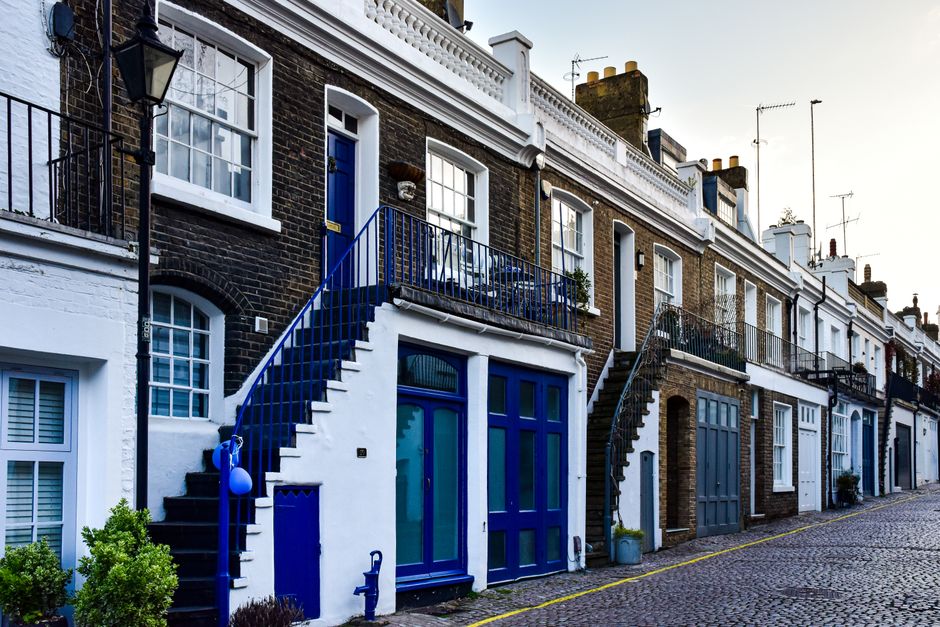
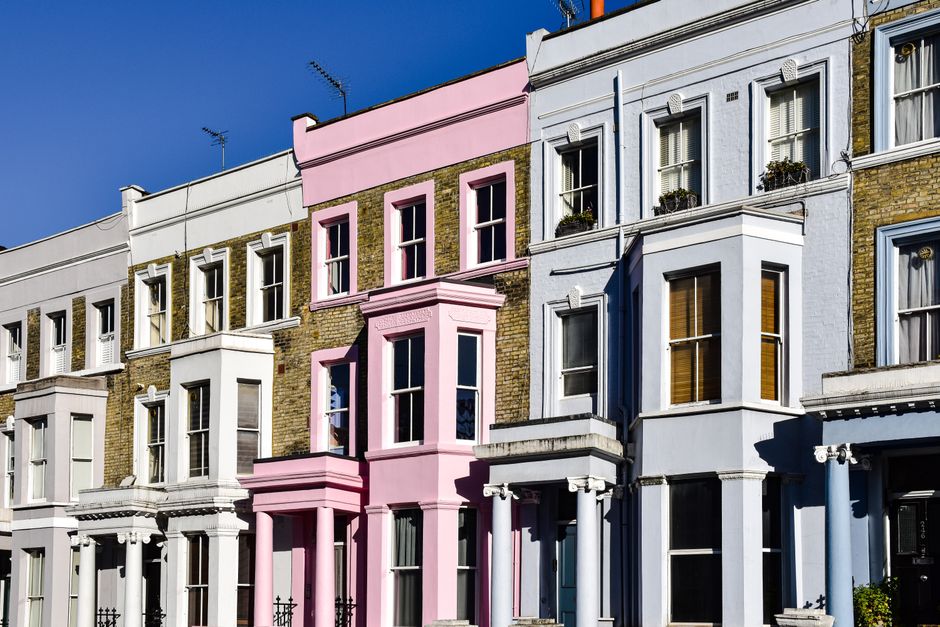
But the most significant policy lever has been conservation area reform. The government's streamlined listed building consultation process has paradoxically boosted Zones 4-6 properties while creating uncertainty in traditional strongholds. A Grade II-listed townhouse in Belgravia now faces stricter renovation controls—and cost escalation—whereas equivalent Victorian stock in Clapham or Wandsworth offers greater flexibility at substantially lower entry points. Average prices in premium south London corridors have risen 8-12% year-on-year as wealth has redistributed outward.
The data tells a story of market fragmentation. The £500k-plus segment remains resilient, but the sweet spot has shifted. Properties priced £1.5m-£3m—historically the most liquid tier—are experiencing longer marketing periods in pure central London, while equivalent properties in Zones 3-4 are moving faster. Developers are responding: planning applications in Fitzrovia and King's Cross have surged, capitalizing on more permissive zoning rules introduced last year.
For agents and investors, the lesson is clear: policy now trumps proximity. Location remains paramount, but the regulatory environment determines whether that location is an asset or a liability. The luxury market's old certainties—central equals appreciating—no longer guarantee returns. Success increasingly depends on reading the planning landscape as carefully as the postcode.
This article was compiled by AI from the sources linked above and screened before publishing. See our editorial standards.