London's ultra-luxury market has entered a new phase. While headline prices plateau around the £500k average across the capital, a cluster of transformative new developments is creating a distinct tier of prestige property—and fundamentally reshaping investor expectations in zones 1-3.
The most significant shift is concentrated along the Elizabeth Line corridor. In King's Cross, completion of the Standard London mixed-use project has catalysed broader regeneration, with new penthouses commanding £3-4m despite the area's recent commuter-focused profile. Similar momentum is visible at Nine Elms, where the Thames-facing pipeline includes ultra-prime schemes attracting Gulf and Asian capital; several units have sold north of £5m before practical completion.
Mayfair, traditionally London's prestige anchor, is experiencing a recalibration. Rather than competing on price—average terraced townhouses here trade at £8-12m—new developments are emphasising bespoke, turnkey luxury. Recent schemes on Curzon Street and Mount Street are targeting owner-occupiers and ultra-high-net-worth individuals seeking contemporary specification within Georgian or Victorian shells. Privacy, integrated smart home systems, and private lift access are now baseline expectations, not luxuries.
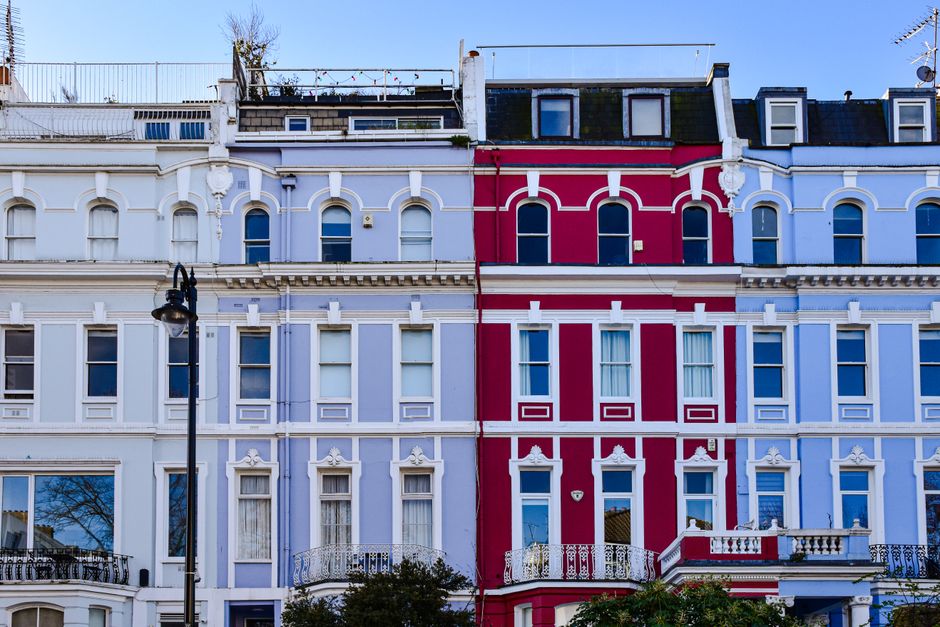
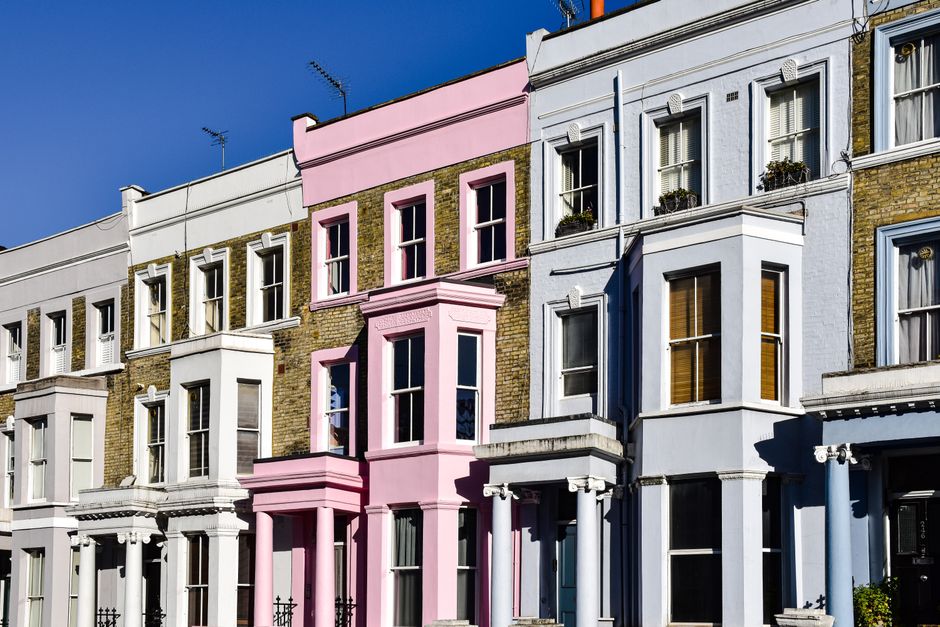
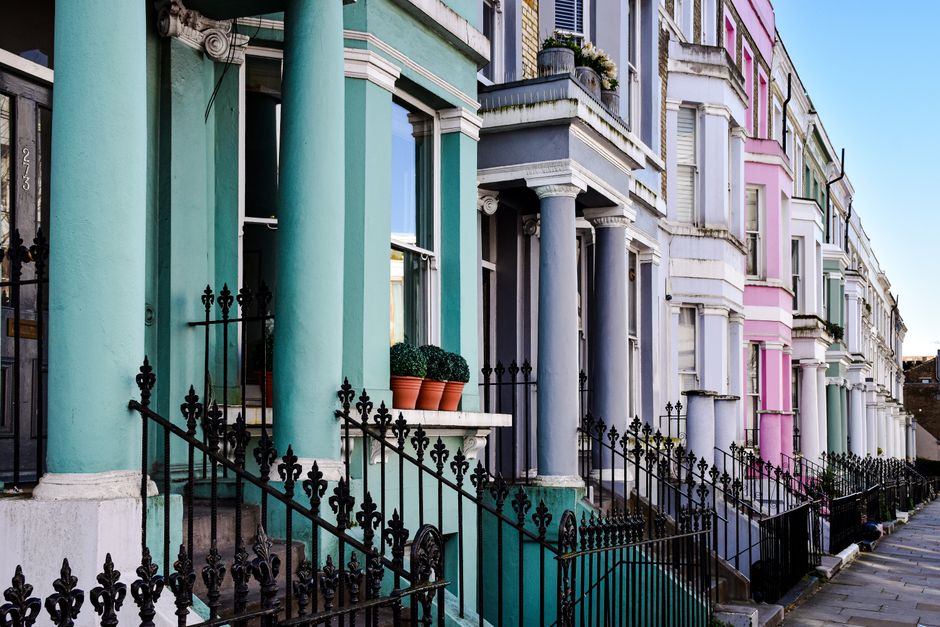
Beyond zones 1-3, the growth narrative has shifted. Zones 4-6 are attracting buy-to-let investors returning post-stamp duty reform, but a secondary prestige market is emerging in areas like Notting Hill's northern reaches, Kensington's village fringe, and emerging cultural hubs such as Hackney Wick. New builds here trade at £1.2-1.8m—substantially above local averages—appealing to affluent downsizers and first-time prime buyers.
Data suggests this is sustainable. Transactions in the £2m+ bracket are up 18% year-on-year in zones 1-3, with new developments accounting for 34% of that growth. The Elizabeth Line effect continues: commute times from Whitechapel to Paddington have transformed market perception in East London, with boutique residential schemes now viable in previously overlooked corridors.
For established postcodes, the implication is clear: new supply isn't diluting prestige—it's expanding it. Developers understand that today's ultra-luxury buyer demands move-in ready homes with heritage credentials or architectural distinction. Off-plan purchases in zones 1-3 now regularly include art curation services, concierge partnerships with Michelin-starred restaurants, and lifetime maintenance warranties.
The market's message to investors and owner-occupiers is simple: location matters more than ever, but so does specification. London's prestige property market isn't about price ceilings anymore. It's about creating homes that justify them.
This article was compiled by AI from the sources linked above and screened before publishing. See our editorial standards.