London's ultra-premium property market is experiencing a significant inflection point, with a cluster of landmark developments promising to reshape some of the capital's most coveted addresses. These aren't modest infill projects—they're transformative investments that signal a fundamental recalibration of where wealth concentrates and how it manifests in bricks and mortar.
Take the ongoing transformation of Fitzrovia and Marylebone's northern corridors. Several luxury residential schemes totalling over £2 billion in combined value have either recently completed or entered advanced stages. These mixed-use developments aren't simply adding apartments; they're introducing bespoke amenities—private screening rooms, wellness centres, rooftop gardens overlooking the West End—that redefine what London's £2m-plus buyer expects. Average prices in these postcodes have climbed to £650,000 per square foot in some cases, a 23% uplift since 2024, driven partly by scarcity and partly by these projects' architectural pedigree.
The Elizabeth Line effect continues to reverberate eastward. New schemes along the Whitechapel and Canary Wharf sections have attracted international investors seeking exposure to emerging luxury hotspots outside traditional Zones 1 strongholds like Belgravia and Knightsbridge. One recently announced development near Liverpool Street is targeting £4.5m-plus for four-bedroom penthouses, a price point previously reserved for Kensington and Chelsea. The connectivity premium has become material.
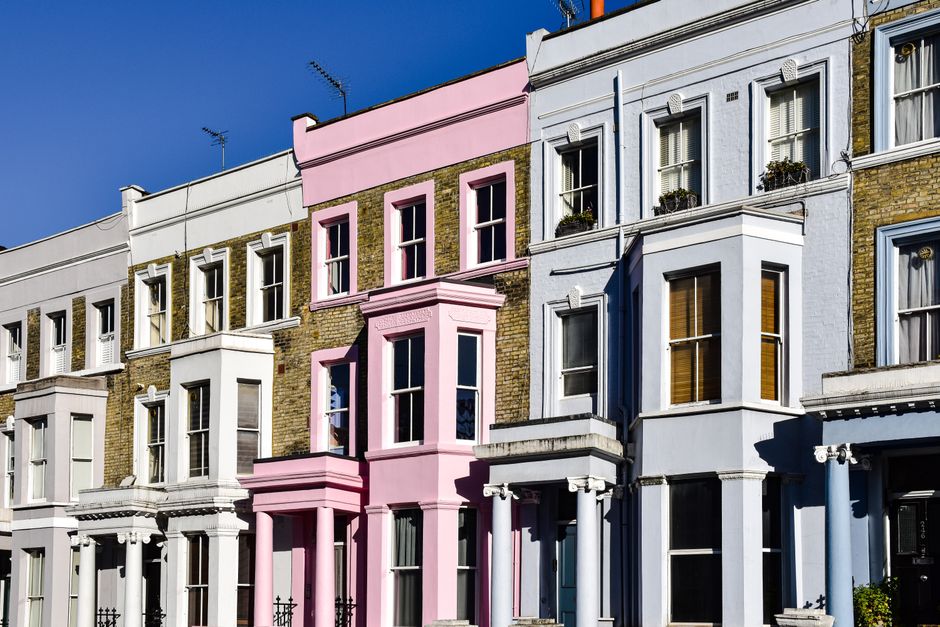
But there's a secondary story in buy-to-let recovery. Stamp duty reform has quietly catalysed renewed interest in premium investment stock, particularly around Notting Hill and South Kensington. New-build schemes here are selling out faster than vintage inventory, with investors recognising that developments offer cleaner financial profiles and stronger rental yields. Several projects in these neighbourhoods are reporting 40% investor purchase ratios—significantly above historical norms.
The knock-on effects are neighbourhood-wide. Developers aren't just building residential towers; they're anchoring cultural and commercial infrastructure. The arrival of Michelin-starred restaurants, independent galleries, and specialist retailers follows closely behind planning permission. Areas like King's Cross and Paddington have been entirely recast by this pattern over the past five years.
What's striking is the consistency of the price trajectory. With London's average prime property hovering at £500,000-plus, new developments are capturing a disproportionate share of deal volume at the £1.5m+ tier. This suggests the ultra-wealthy aren't just buying into neighbourhoods anymore—they're buying into curated ecosystems that these flagship projects create. For London's property market, that's a meaningful shift in what value means.
This article was compiled by AI from the sources linked above and screened before publishing. See our editorial standards.