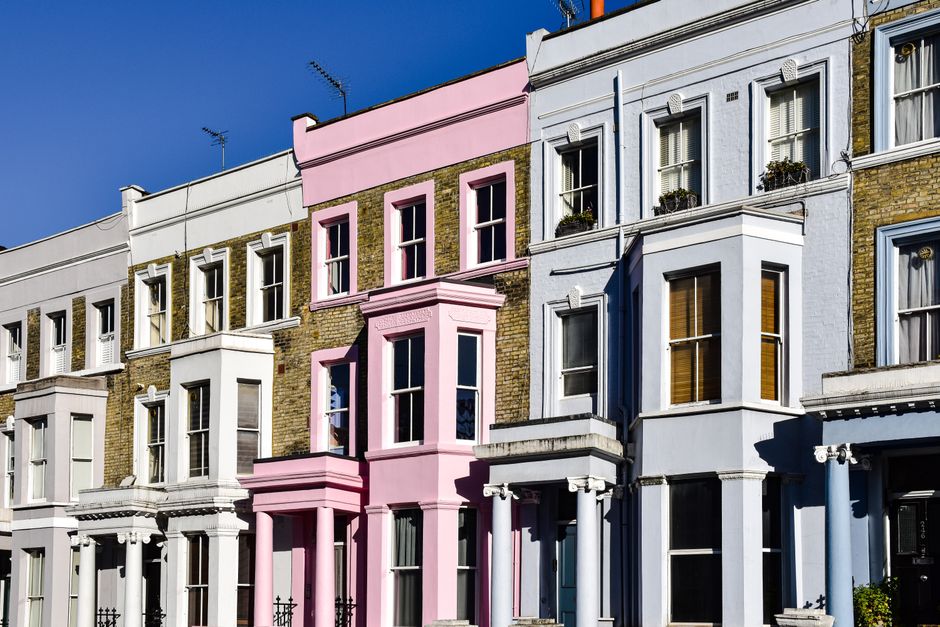
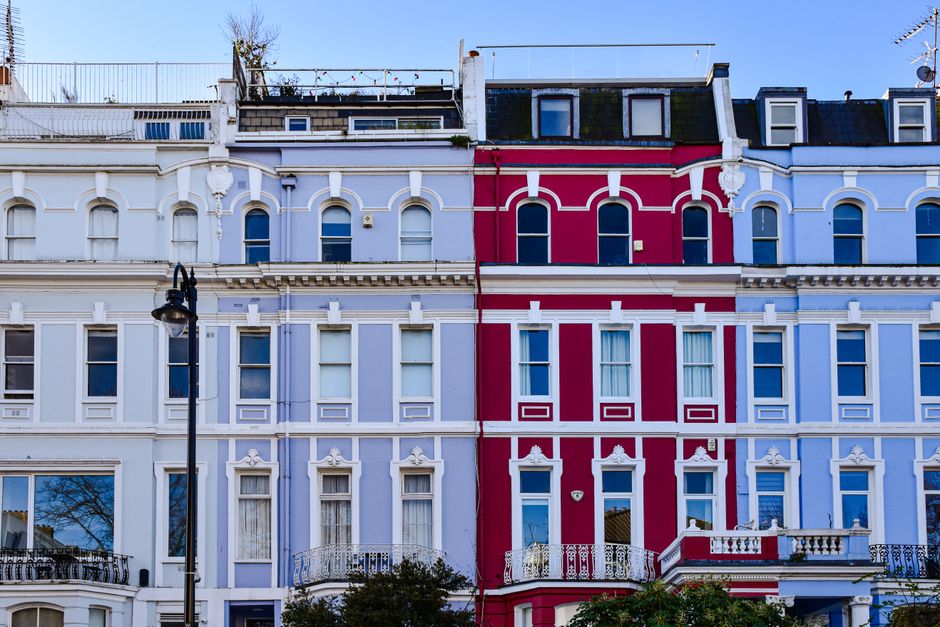
For years, Walthamstow existed in the shadow of its trendier neighbours. But as stamp duty reforms breathe new life into London's rental market, property investors are quietly repositioning themselves in E17—and the numbers tell a compelling story.
Average house prices in Walthamstow hover around £475,000, significantly below the London average of £500,000-plus, yet gross rental yields consistently sit between 4.5% and 5.2%. That arbitrage between entry price and rental return is precisely what's catching the attention of experienced landlords reassessing their portfolios after years of squeezed margins.
"The Elizabeth Line effect is real here," says one local property analyst. The high-speed connection to central London and beyond has transformed commuting calculus for renters. A three-bed Victorian terrace on Forest Road now commands £2,000-2,200 monthly, with waiting lists of serious applicants. The demographic mix—young professionals, growing families, postgraduate students—keeps demand resilient.
The neighbourhood's physical transformation is equally significant. Walthamstow Library's £10 million refurbishment, completed in 2021, anchored a broader civic renewal. The village square has attracted independent cafes and restaurants; Vinegar Yard's weekend markets pull visitors across zones. St James Street station's recent upgrades improved accessibility. These aren't flashy changes, but they signal genuine urban investment.
Commercial activity matters too. The tech and creative sectors have expanded eastward, with co-working spaces now dotting the high street. Smaller employers, design studios and startups increasingly favour E17's lower rents than Shoreditch. This diversifies tenant profiles beyond traditional City commuters.
For landlords, practical considerations align favourably. Properties remain sufficiently affordable to build larger portfolios without excessive capital deployment. Management companies and letting agents are well-established and competitive. The rental market remains undersupplied—new-build completion rates haven't kept pace with migration into the zone.
The risks warrant acknowledgement. Regeneration is uneven; not all streets offer equivalent yields or tenant quality. Council tax bands and maintenance costs on older Victorian stock require careful budgeting. Longer-term planning permissions around the town centre could shift market dynamics.
Yet for investors tired of yield compression in established hotspots and seeking genuine rental demand without speculative pricing, Walthamstow offers something increasingly rare: reasonable fundamentals. The suburb isn't reinventing itself overnight, but patient capital recognises that quiet, steady transformation often outperforms headline-grabbing hype. In today's property market, that's becoming the most valuable insight of all.
This article was compiled by AI from the sources linked above and screened before publishing. See our editorial standards.