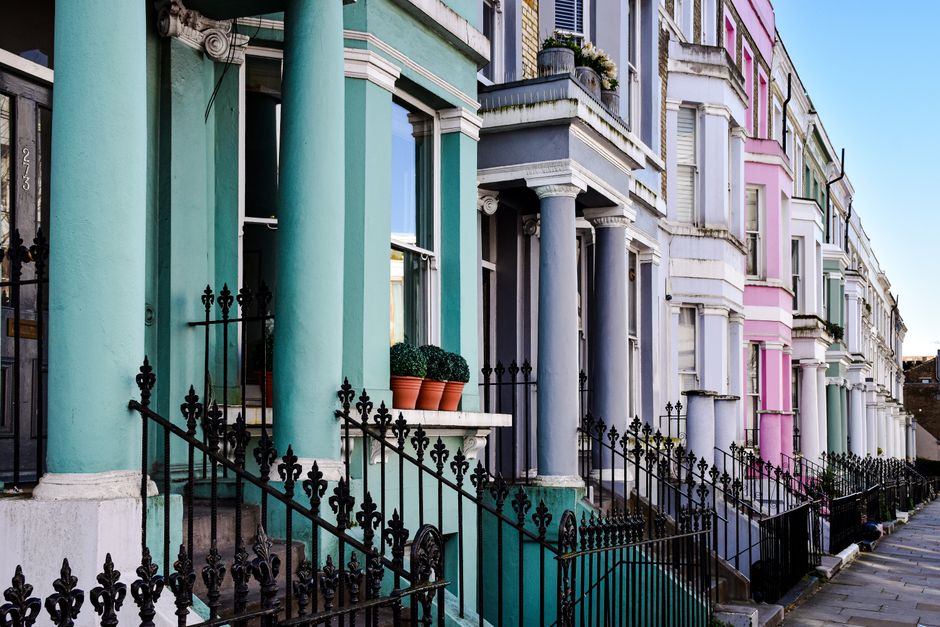
London's luxury property market has always been shaped by scarcity and location. Today, it's being reshaped by ambition. A fresh wave of major developments across the capital's most coveted zones is not merely adding supply—it's fundamentally altering what prestige means in 2026, and who can access it.
The scale is striking. King's Cross, long a symbol of post-industrial regeneration, now anchors a residential ecosystem that has elevated entire streets. New apartment complexes around the former railway lands command £2.5m+ for penthouses, while the neighbourhood's cultural infrastructure—from the British Library to independent galleries—justifies positioning that once felt speculative. The Elizabeth Line's connectivity has cemented the area as a serious alternative to Knightsbridge for discerning buyers seeking both cachet and convenience.
Nine Elms presents a different calculus. The riverside masterplan has attracted trophy developments that compete directly with Chelsea and Battersea's established premium territory. Units in newly completed schemes here regularly fetch £3m–£5m, particularly those offering Thames-facing positions and proximity to the emerging cultural quarter anchored by the American Museum. What's notable is demographic shift: younger money, tech wealth, and international relocations favour Nine Elms over more traditional Mayfair strongholds.
But developments carry neighbourhood cost. As new luxury infill accelerates in Zone 2 corridors, the very character that attracted investment—bohemian edges, local independents, human scale—often recedes. Islington's Upper Street, Shoreditch's converted warehouses, and Clerkenwell's industrial chic face inevitable gentrification pressures as residential-led schemes proliferate. Values rise. Communities change. It's London's eternal property tension.
The current cycle favours developers willing to target ultra-prime segments. With London's average house price comfortably over £500k and central zones commanding multiples of that, investors see supply gaps at the luxury end. Unlike mid-market building, which faces tighter margins, prestige developments attract capital. Stamp duty reforms have also rekindled buy-to-let interest among international portfolio managers, creating additional demand pressure at the top tier.
The question for boroughs isn't whether development happens—it's whether infrastructure, transport, and local services can scale meaningfully alongside residential supply. King's Cross succeeded partly because planning acknowledged this. Nine Elms' longer-term health depends on similar rigour.
For now, London's luxury market reads as a developer's market. But markets reward foresight. Those neighbourhoods planning for prestige, not merely profiting from it, will define London property in the next cycle.
This article was compiled by AI from the sources linked above and screened before publishing. See our editorial standards.