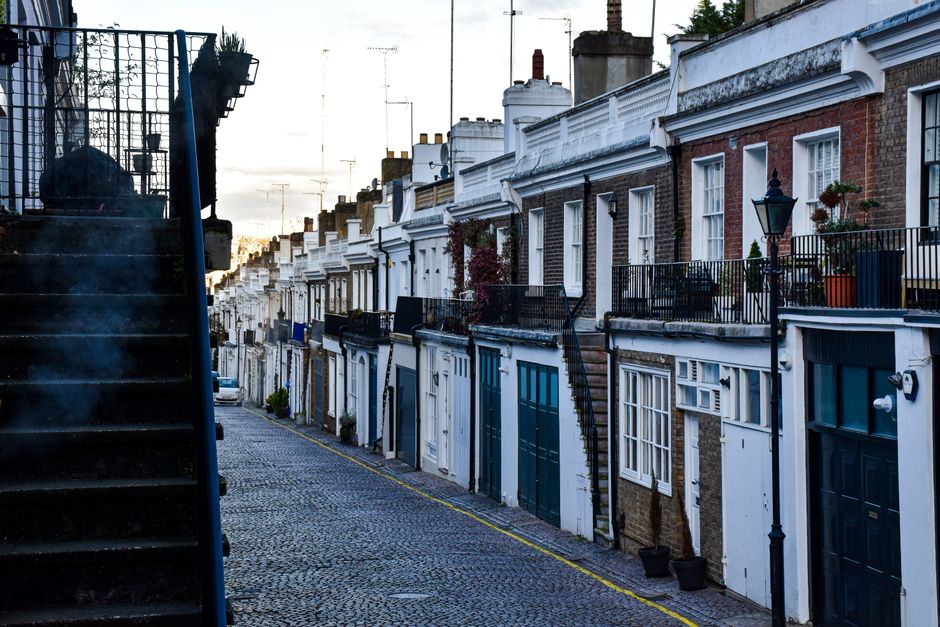
The rental market across London's Zones 1-3 has reached a inflection point. Tenants searching for flats in Bethnal Green, Clapham and Shepherd's Bush are encountering asking rents 15-20% higher than two years ago, while landlords who've held portfolios through regulatory uncertainty are discovering that returning to lettings carries unexpected friction.
The Elizabeth Line's completion has turbocharged rental demand along its corridor. New renters priced out of central postcodes have migrated eastward, pushing three-bed terraces in Woolwich and Plumstead into the £1,800-£2,200 monthly range—territory historically reserved for Zone 2 addresses. Estate agents report bidding wars for mid-range family lets, a phenomenon virtually unthinkable in 2023.
Yet the recovery masks deeper tensions. Landlords returning to the market after the stamp duty holiday fadeout and Section 24 mortgage interest restrictions are facing new Renters Reform Bill provisions, expected to tighten from autumn 2026. Buy-to-let investors are calculating whether the returns justify the compliance burden. Those who've already re-entered report spending 15-25% more on maintenance and vetting, compressing yields even as rents climb.
For tenants, the arithmetic is equally brutal. A couple earning £80,000 combined searching near King's Cross or Farringdon must now allocate 50-55% of gross income to rent—far exceeding the traditional 30% benchmark. First-time renters in Zones 4-6, previously affordable, now see studio flats in Clapham Junction or Stratford commanding £1,200-£1,400 monthly. Local charities including Shelter and Generation Rent report enquiries from working professionals forced to consider house shares or longer commutes.
The paradox is sharp: buy-to-let returns to the market, yet affordability deteriorates for those seeking homes. Landlords cite rising council tax, energy costs and mandatory certification against new safety standards. Tenants cite stagnant wages against exponential rent growth. In neighbourhoods like Walthamstow and Brixton—traditionally London's value zones—rental inflation has outpaced salary growth by a factor of three since 2024.
The Elizabeth Line uplift has created geographic winners and losers. Traditional rental hotspots like King's Cross and Southwark remain expensive but stable; peripheral zones along the new transport corridor are experiencing sharp, destabilising rises. Landlords benefit from demand; tenants absorb the cost.
As the Renters Reform Bill's autumn implementation approaches, both cohorts face uncertainty. Landlords must decide whether tighter regulations justify continued investment. Tenants must navigate a market where fundamental affordability has shifted. For London's rental sector, 2026 marks a critical recalibration.
This article was compiled by AI from the sources linked above and screened before publishing. See our editorial standards.