Property
How London's Planning Shake-Up Is Reshaping the £5m+ Property Elite
New permitted development rules and conservation zone tightening are creating winners and losers across the capital's most exclusive postcodes.
2 min read
Updated 3 h ago
Property
New permitted development rules and conservation zone tightening are creating winners and losers across the capital's most exclusive postcodes.
2 min read
Updated 3 h ago
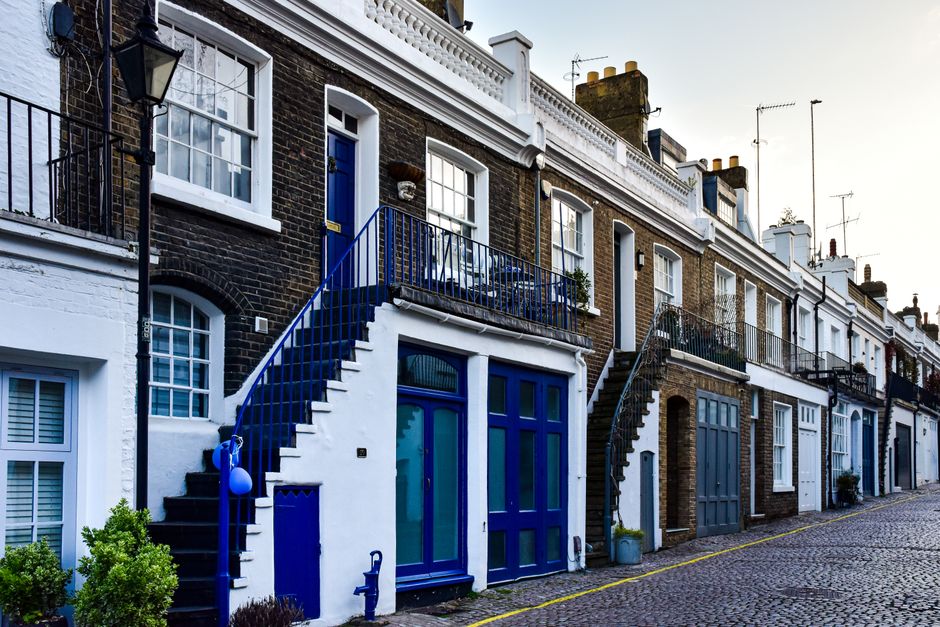
London's ultra-luxury property market—where penthouses in Mayfair routinely exceed £10m and Knightsbridge townhouses command £8m-plus—has long operated above the planning fray. But a seismic shift in permitted development thresholds and conservation area enforcement is forcing the city's wealthiest to recalibrate their acquisition strategies.
The recent tightening of Article 4 directions across Kensington and Chelsea's core conservation zones has effectively throttled the fast-track renovation playbook that defined the past decade. Developers and ultra-high-net-worth buyers who once relied on permitted development rights to expand basement levels or install modernist extensions—without full planning consent—now face months of additional scrutiny. Estate agents across Belgravia report a noticeable slowdown in off-market deals, with buyers suddenly factoring £200k-£500k in extended planning consultancy costs into their due diligence.
Meanwhile, the relaxation of height restrictions in certain Zones 2-3 corridors—particularly along the Elizabeth Line's trajectory through Bethnal Green and Whitechapel—has opened an unexpected escape valve for London's property elite. New luxury residential schemes approved under the updated guidance are attracting overseas capital previously locked into Mayfair and Fitzrovia. Developers report heightened interest in mixed-use schemes that blend contemporary design with planning approval speed.
The Ritz-Carlton's planned Residences scheme in Fitzrovia exemplifies this tension: ultra-premium positioning (penthouses approaching £15m) buttressed by streamlined planning pathways unavailable to traditional Georgian townhouse conversions. Similar dynamics are playing out in the Strand and around Covent Garden, where commercial-to-residential conversion policies have created a fresh tier of trophy properties.
Estate agents note a geographic bifurcation emerging. Core West End prime postcodes—SW1, W1—increasingly attract buyers willing to accept longer planning timelines for heritage authenticity and established prestige. Simultaneously, fringe-prime zones and emerging ultra-prime neighbourhoods in SW3's borders and Notting Hill's periphery are capturing deal flow from impatient capital seeking planning certainty.
Stamp duty reform on buy-to-let acquisitions has also reanimated investor interest in premium rental stock, creating new demand pressures in purpose-built luxury schemes where planning approval is standardised. The result: a fragmented market where policy nuance now matters as much as postcode.
For London's property elite, the message is clear: blanket premium positioning no longer guarantees friction-free expansion. Policy now determines premium.
This article was compiled by AI from the sources linked above and screened before publishing. See our editorial standards.
Property
Property

Property

Property
About this article
Published by The Daily London
Spread the word
Daily brief
Free, in your inbox before 7am. Weekdays.
The Daily Network — independent news worldwide