Property
How Much Rent is Too Much? The 30% Rule in Practice
As London's renters struggle to make ends meet, a closer look at the 30% rule reveals a city where affordability is increasingly out of reach
2 min read
Updated 1 h ago
Property
As London's renters struggle to make ends meet, a closer look at the 30% rule reveals a city where affordability is increasingly out of reach
2 min read
Updated 1 h ago
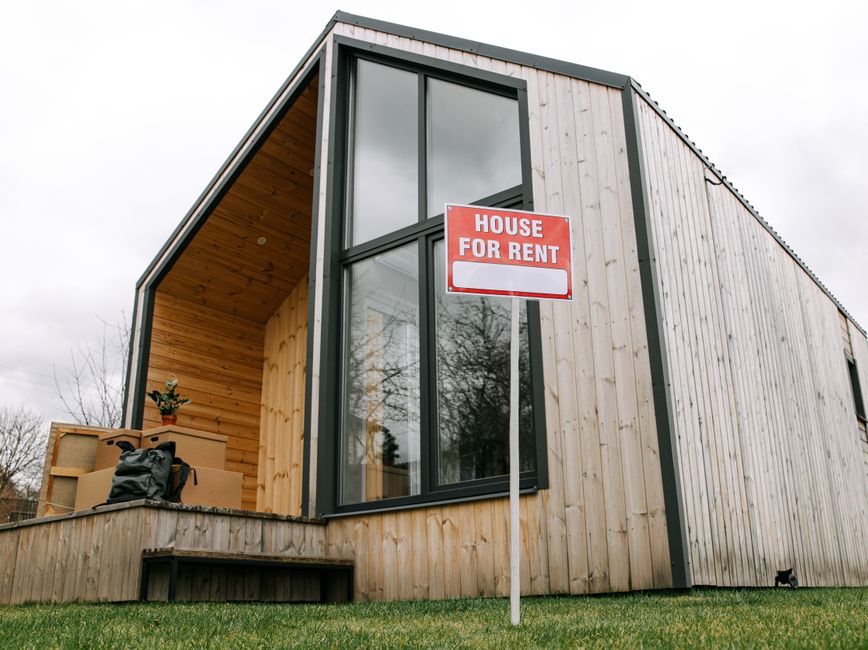
In London, where the average house price exceeds £500,000, renters are facing a daunting reality: in many areas, rent alone can consume nearly half of their income.
This matters now because the UK government's recent stamp duty reform has led to a resurgence in buy-to-let investments, putting additional pressure on the rental market. With Zone 4-6 areas experiencing growth and the Elizabeth Line corridor uplift, renters are finding it increasingly difficult to afford even modest properties. The 30% rule, which suggests that renters should not spend more than 30% of their income on rent, is being stretched to the limit in many parts of the city.
In areas like Shoreditch and Hackney, where trendy bars and restaurants line streets like Brick Lane and Columbia Road, renters are being priced out. Organisations like the London Borough of Hackney and the Peabody housing association are working to provide affordable options, but the demand far outstrips the supply. In Zones 1-3, the premium prices are even more pronounced, with areas like Kensington and Chelsea boasting some of the highest rents in the city. The average rent for a one-bedroom flat in these areas can exceed £2,000 per month, according to data from property websites like Zoopla and Rightmove.
According to data from the Office for National Statistics, the median monthly rent in London is £1,847. For a renter earning the median London salary of £34,000 per year, or approximately £2,833 per month, this would represent over 65% of their income. In reality, many renters are being forced to pay even more, with some areas reaching as high as 80% or 90% of income. As of June 2026, the average rent in London has increased by 5% compared to the same period last year, further exacerbating the affordability crisis.
So what happens next? For renters struggling to make ends meet, the practical advice is to carefully consider the 30% rule when searching for a property. Websites like SpareRoom and Flatshare can provide options for those looking to split the cost of rent with flatmates. Additionally, organisations like the National Housing Federation and the London Renters Union are advocating for policy changes to address the affordability crisis. As the city continues to grow and evolve, it's clear that a comprehensive solution will be needed to ensure that renters are not priced out of their own city.

Property

Property

Property

Property
About this article
Published by The Daily London
Spread the word
Daily brief
Free, in your inbox before 7am. Weekdays.
Before you go
The day's London news in a 2-minute read. Free, weekday mornings.