Property
Build-to-Rent: What London's Newest Developments Really Offer Tenants
As house prices soar and buy-to-let investors eye a rebound, purpose-built rental blocks from Wembley to Nine Elms are reshaping options for city renters.
3 min read
Property
As house prices soar and buy-to-let investors eye a rebound, purpose-built rental blocks from Wembley to Nine Elms are reshaping options for city renters.
3 min read
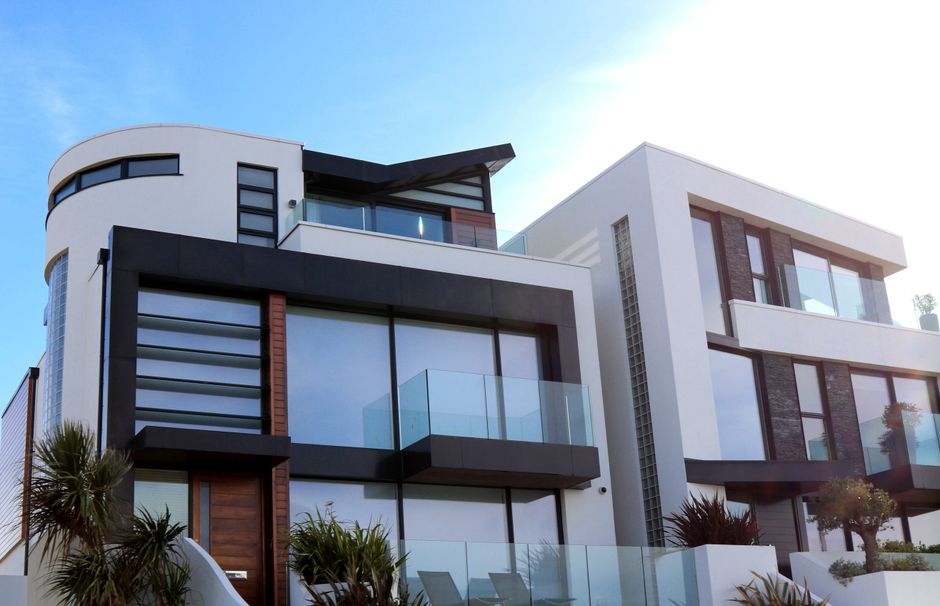
On a humid July morning, a steady stream of removal vans lined up outside UNCLE Wembley, one of west London’s flagship build-to-rent blocks. With asking rents starting at £1,900 a month for a one-bed, this is hardly budget accommodation—but for many Londoners shut out of the property market, such developments have become the closest thing to stability in a city where the average home now costs over £525,000.
The surge in build-to-rent schemes like Wembley’s reflects a decisive shift. Homeownership remains out of reach for most young professionals in Zones 1-3, even as stamp duty reforms tempt buy-to-let landlords back to the market. For many, purpose-built rental blocks are now filling the void between unaffordable buy-ins and traditional, often unreliable private lets. Developers are racing to satisfy the demand: more than 30,000 build-to-rent homes are now complete in Greater London, according to the British Property Federation.
Out in Barking, Grainger’s “Gatehouse Apartments” on Abbey Road offers 290 rental units, all decked out with integrated appliances, co-working lounges and a residents’ roof terrace that peers down on the Thames. Head south to Battersea’s Coda Residences, and a studio can easily clear £2,000 per month, but tenants here talk about in-house gyms, cleaning services and even dog-grooming parlours. The aim: convenience, not just a roof over your head.
These schemes market themselves as lifestyle packages. In Wembley and Greenwich Peninsula, renters have come to expect on-site concierges, communal gardens, and regular residents’ events. UNCLE’s management touts 24-hour fix-it teams and a no-deposit move-in process. "It’s an all-in-one offer—less hassle, but you certainly pay for it," one resident told The Daily London, as she wheeled a gleaming blue suitcase through a slick, scent-pumped lobby.
For tenants, the trade-off is stark. Zoopla’s June figures show the average London rent now stands at £2,150 a month—up 10% year-on-year, with build-to-rent options typically carrying a 10-15% premium over “accidental landlord” housing stock. Yet, with house prices stubbornly high, a 10% deposit on a flat in Stratford requires more than £45,000 upfront. Savills estimates buyers in the capital now face an average lender requirement of £65,000 in annual salary, not to mention stamp duty and legal fees.
Despite the costs, institutional landlords point to a pent-up appetite for quality and flexibility. The BPF says build-to-rent completions are forecast to rise by another 6,000 units in 2027, with key growth in Canada Water and White City. For tenants, the calculus is familiarity: predictable service and one-call repairs versus the slow march of saving for a deposit, as interest rate jitters and inflation hit.
What’s next for London renters? Analysts predict that as new schemes come online—and as some buy-to-let landlords sell up—competition among rental blocks may ease some of the pricing pressure by late 2027. For now, the best advice is to scrutinise not just the headline rent but the extras on offer: on-site gyms, free broadband, and pet-friendly policies can make a difference. And as the city grapples with brutal heatwaves, even a well-ventilated communal lounge might feel worth the premium.

Property
Property

Property
Property
About this article
Published by The Daily London
Spread the word
Daily brief
Free, in your inbox before 7am. Weekdays.
Before you go
The day's London news in a 2-minute read. Free, weekday mornings.