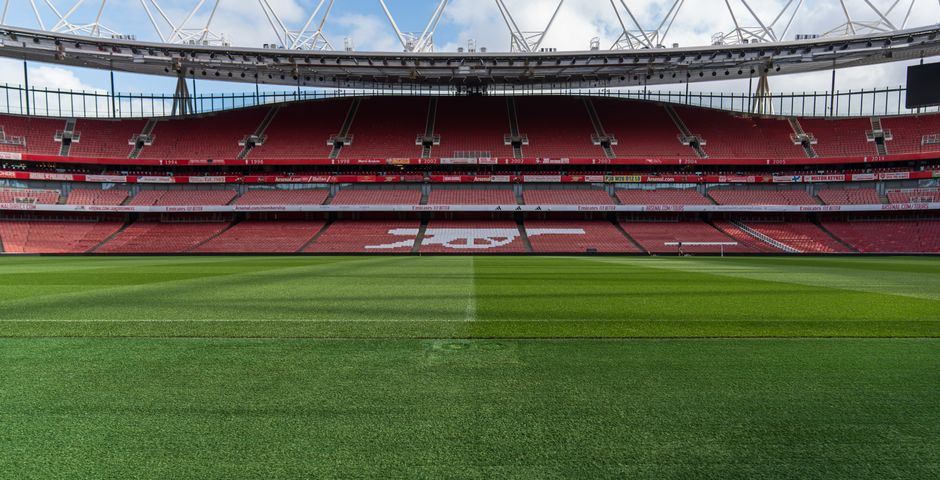
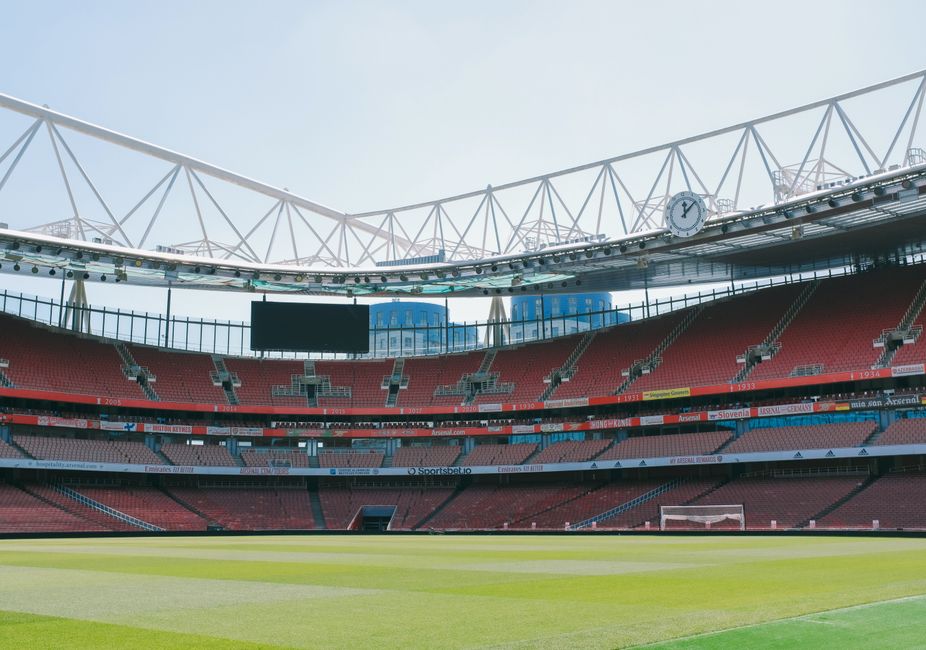
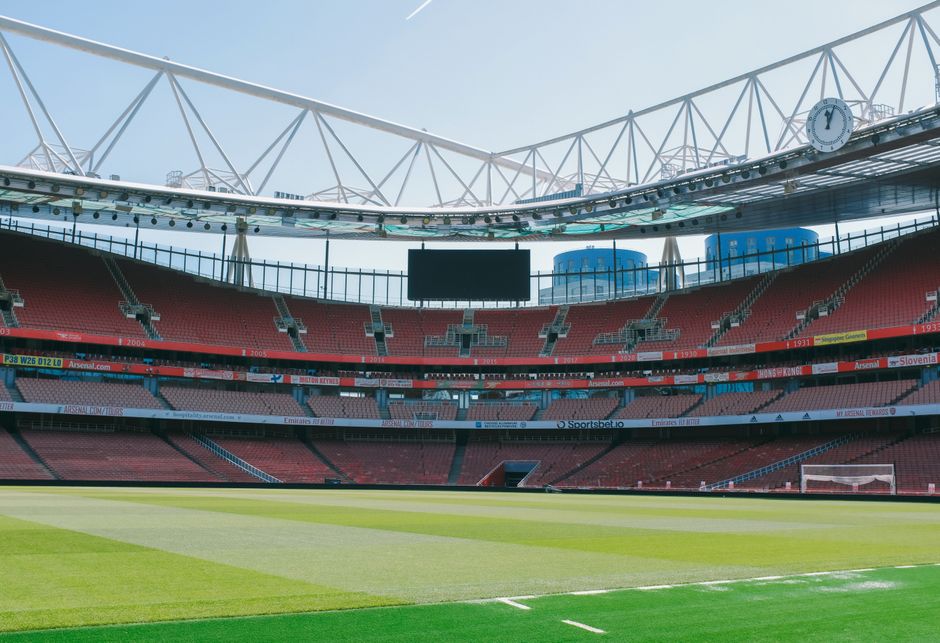
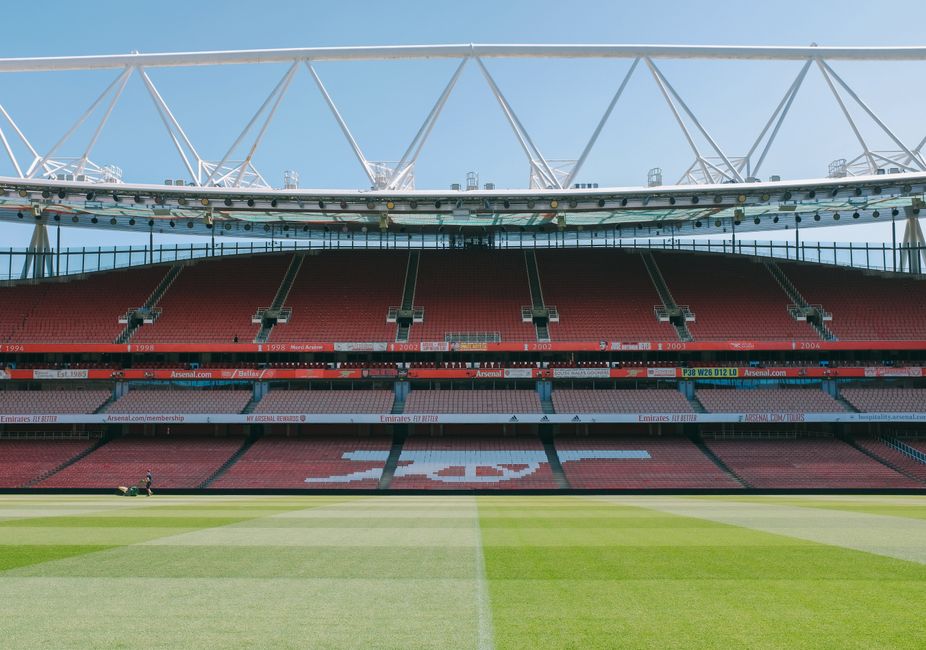
Walk through North London on a match day and you'll see the scale of what world-class infrastructure demands. Wembley Stadium, nestled in the HA9 postcode near the Welsh Harp Reservoir, remains one of football's most recognisable addresses. Yet beneath the 90,000-capacity venue lies a broader ecosystem that defines London's sporting identity—one facing mounting pressures.
The capital hosts more than 40 professional sports venues of significant scale. Beyond Wembley, the Oval in Kennington has hosted Test cricket since 1845, while Twickenham in southwest London remains rugby union's spiritual home. More recently, the Queen Elizabeth Olympic Park in Stratford, built for 2012, continues generating £1.4bn annually for east London's economy. Yet these flagships mask infrastructure challenges.
Last year's Sport England survey revealed that 28% of London's grass sports pitches operate below acceptable maintenance standards. The Isthmian League, which serves non-league clubs across Greater London, reports that pitch hire costs have risen 34% in three years, forcing smaller clubs to relocate or fold. Meanwhile, leisure centres across boroughs like Hackney and Newham have seen operating budgets cut by roughly 15% since 2015.
The challenge extends beyond playing surfaces. Transport infrastructure supporting venues needs upgrading. Wembley Park station handles 30,000 passengers on event days, yet the Northern Line frequently reaches capacity. Similarly, the District Line serving the Oval requires modernisation to handle cricket's summer crowds effectively.
Swimming provides another case study. London's 82 public pools serve a population exceeding 9 million, yet 12 facilities closed between 2020 and 2024. Centres in Southwark and Tower Hamlets have undergone major renovations, costing £4-8m each, but demand still outpaces supply—particularly in outer boroughs.
The private sector increasingly fills gaps. Chelsea's Stamford Bridge redevelopment, budgeted at £1bn, signals confidence in capital-intensive modernisation. Yet this creates a two-tier system: elite venues with state-of-the-art facilities versus under-resourced community grounds.
London's sporting future depends on balanced investment. The Olympic legacy offers lessons: sustained funding and cross-sector partnership kept Stratford's venues thriving. As inflation pressures persist, councils, governing bodies and central government must prioritise infrastructure maintenance alongside development. Without it, London risks watching its reputation as a sporting powerhouse slip away—one neglected pitch, one closed pool, one congested station at a time.
This article was compiled by AI from the sources linked above and screened before publishing. See our editorial standards.