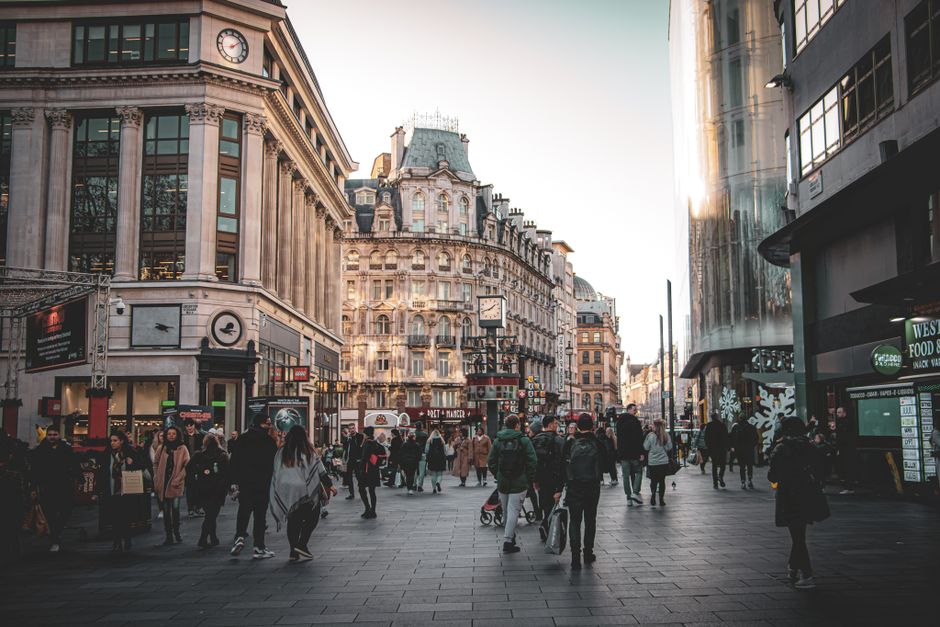
Walking through Borough Market on a Saturday morning reveals something quietly revolutionary happening in London's relationship with food. Alongside the tourists snapping Instagram photos, locals queue at vegetable stalls, comparing notes on seasonal produce and meal planning. This scene repeats across the city—from Portobello Road to Greenwich Market—as Londoners increasingly recognise that better nutrition starts with knowing where their food comes from.
The shift is measurable. A 2025 Westminster City Council survey found that 62% of residents now prioritise sourcing local produce at least twice weekly, up from 34% in 2020. That change reflects something deeper than trend-chasing: it's communities discovering that proximity to good food changes behaviour.
In Hackney, the Sutton House Community Garden—tucked behind a 16th-century mansion on Homerton High Street—has become a hub for residents learning to grow and cook seasonally. The garden's produce box scheme, now in its fourth year, supplies over 200 households monthly with vegetables picked within walking distance. Participants report not just dietary improvements, but a tangible sense of connection to their neighbourhood's food system.
South of the river, the Peckham Levels food collective has similarly shifted eating patterns across SE15. What began as a pandemic-era mutual aid project now runs weekly cooking classes focused on affordable, plant-forward meals using ingredients from nearby Turkish and Caribbean grocers—shops that have served the community for decades but are newly celebrated as wellness resources.
The economics matter. A basket of organic vegetables from a farmers' market costs roughly £12-15, comparable to a single takeaway meal that leaves people feeling sluggish. Multiply that across weeks and months, and the cumulative effect—both on budgets and bodies—becomes significant. NHS GP practices across London report that patients engaging with local food initiatives show measurable improvements in energy levels and blood sugar stability within 8-12 weeks.
These aren't isolated stories. From Brixton's Black Thrive community kitchens to Whitechapel's Bengali grocery co-operatives, London's neighbourhoods are rediscovering that transformation rarely happens in isolation. When people shop together, cook together, and share meals together, eating well becomes less about willpower and more about culture.
The message is simple but profound: your local food system isn't just about sustainability or ethics. It's about your health, your pocket, and your neighbours. The farmers' market isn't a weekend luxury. It's an investment in the community that sustains you.
This article was compiled by AI from the sources linked above and screened before publishing. See our editorial standards.