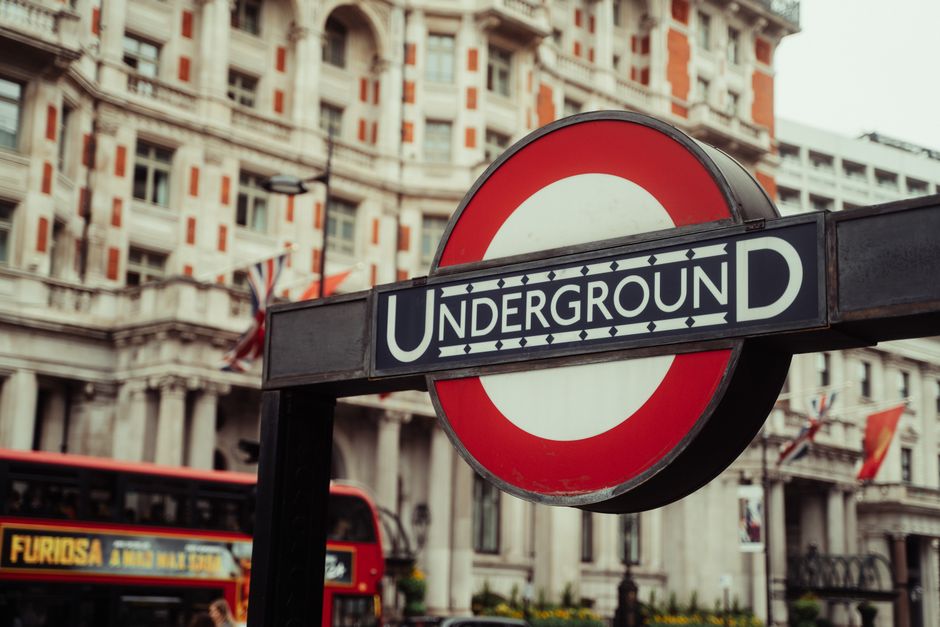
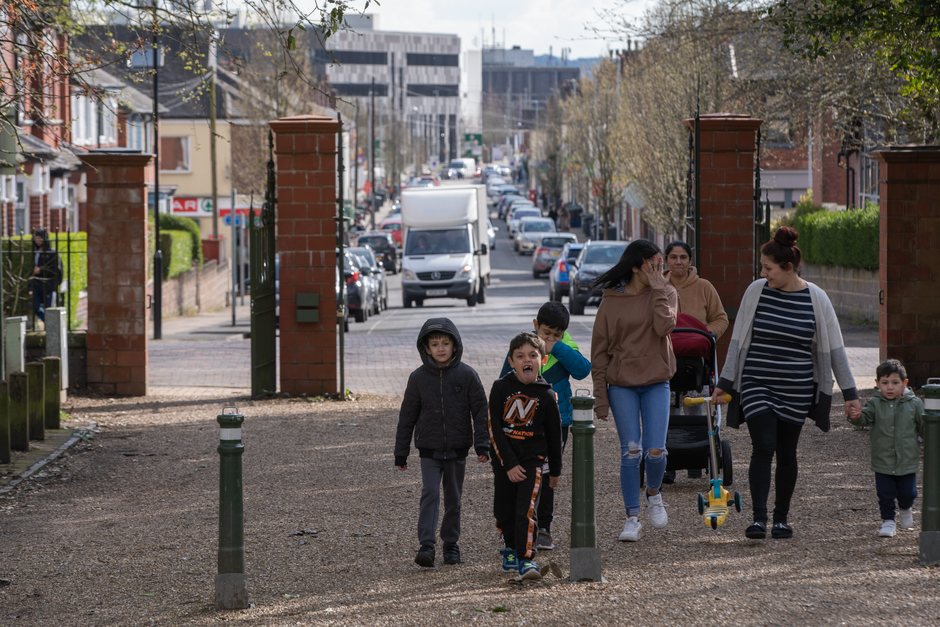
The number of community-led walking groups registered with Walking for Health, the NHS-backed programme run by Ramblers and Macmillan Cancer Support, has risen by roughly 18 percent since 2023, according to the organisation's own figures. London now accounts for more than 340 of those registered groups — more than any other UK region. The barrier to entry is almost nothing: a pair of decent shoes, a route, and someone willing to show up first.
That last part is the sticking point. Passion for walking is widespread; the administrative will to formalise it is rarer. But with GP referral waits in some London boroughs now exceeding three weeks for routine appointments, and with research from the British Heart Foundation consistently linking 150 minutes of moderate activity per week to reduced cardiovascular risk, the case for neighbourhood walking groups has never been more grounded in hard evidence. Group exercise also carries a mental health dividend that solo gym sessions simply cannot replicate — the social contact alone has measurable effects on anxiety and low mood, according to a 2024 UCL study covering 4,200 adults across five London boroughs.
Where to begin: routes, registration and a regular slot
Pick a meeting point that is genuinely accessible. Bethnal Green's Museum Gardens, the northern entrance to Victoria Park in Tower Hamlets, or the Serpentine bridge in Hyde Park all work well — they are well-lit, have public toilets within a short walk, and sit on multiple bus routes. Avoid starting at a tube station exit; the crowds make it hard to gather and the noise makes introductions awkward.
Fix a time and stick to it permanently. Saturday mornings at 9 a.m. work for most working-age Londoners. Parkrun UK has spent twenty years proving this: its 5K events, free and open to all, draw more than 85,000 participants across London every single weekend. The format's durability comes almost entirely from its unchanging schedule. Borrow the logic.
Register your group with Walking for Health through the Ramblers website — the process takes roughly twenty minutes and gives you access to route-planning tools, liability guidance, and a listing on the national map that newcomers actually search. Registration is free. If your group grows beyond around fifteen regular walkers, consider applying for a small grant through your local borough's Healthy Streets programme; Hackney, Southwark, and Lewisham councils all ran active funding rounds in the first half of 2026, with awards typically between £250 and £1,500.
Keeping people coming back
The first walk is easy. The sixth is where groups collapse. Keep the initial route short — no more than 4 kilometres — and end somewhere people want to linger. The Lido Café on the south side of Brockwell Park in Herne Hill charges £3.20 for a filter coffee and has outdoor seating that handles twenty people without a booking. That post-walk thirty minutes is where the group actually forms.
Vary the pace, not the route. A dedicated slow-pace option within the same group — sometimes called a 'stroll' tier in Walking for Health literature — means older walkers, people recovering from injury, or those pushing buggies are never quietly excluded. Signpost this explicitly in any WhatsApp group or Eventbrite listing you create.
Promotion matters more than most organisers expect. A single A5 flyer posted on the board inside your nearest GP surgery, local library, or community centre will consistently outperform social media for recruiting people over fifty — historically the demographic most likely to keep attending. The Islington-based social prescribing charity City & Hackney Wellbeing actively connects GPs with local walking groups; contacting them directly can funnel referrals your way within weeks.
The overhead is close to zero. The return — a regular reason to leave the house, a route that becomes familiar, a set of faces that become familiar faster — is harder to put a price on, though researchers at the London School of Hygiene & Tropical Medicine put the annual healthcare-cost saving per regular walker at approximately £520. Start small. Start local. Start this Saturday.