Wellness
The science behind mindfulness: what it actually does to the brain
Londoners flock to mindfulness classes—but what happens to their brains with regular practice? We examine the neuroscience and the city’s most popular programmes.
3 min read
Wellness
Londoners flock to mindfulness classes—but what happens to their brains with regular practice? We examine the neuroscience and the city’s most popular programmes.
3 min read
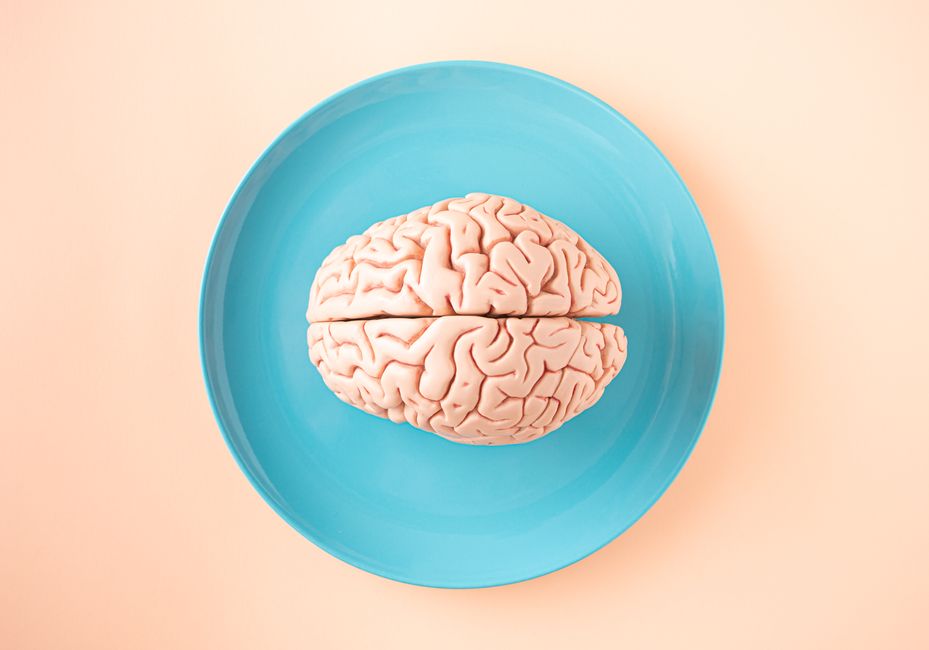
Scientists at University College London have uncovered persuasive evidence that regular mindfulness meditation triggers measurable changes in the brain, boosting both mental clarity and emotional resilience. Their latest findings, released in May, show meditators develop stronger connections in regions linked to attention and stress regulation than non-meditators—a discovery that helps explain why so many Londoners are signing up for local mindfulness programmes.
Interest in mindfulness has surged across the capital in recent months. With NHS waiting lists for talking therapies still above 1.3 million according to NHS Digital, residents are turning to self-directed wellness options amid ongoing concerns around anxiety, burnout and pandemic aftershocks. As Parkrun events fill up on Saturdays from Finsbury Park to Hackney Marshes, more Londoners are looking for ways to train their minds as rigorously as their bodies.
Demand for mindfulness training has boomed at venues like London Buddhist Centre on Roman Road and the MINDFUL Collective’s weekly classes at Somerset House. The Royal Parks Foundation even began offering free 30-minute guided mindfulness walks along The Broad Walk in Regent’s Park this summer, drawing city workers, retirees and parents alike. “Our Tuesday group is usually full before the weekend,” one organiser at Somerset House reported.
Apps like Headspace are popular, but the trend towards in-person group practice is clear: Mindful Mondays at Southbank Centre start at £12 per session, while the Mindfulness Project near Oxford Circus—now in its 11th year—reports a 30% increase in bookings since early spring. Libraries in Islington and Southwark are also piloting free weekly drop-in meditation sessions. The city’s GP surgeries, including Bloomsbury Surgery, now routinely signpost patients to these local classes as part of their social prescribing initiatives launched by NHS England in 2019.
So what actually happens to the brain during mindfulness meditation? According to UCL’s Institute of Cognitive Neuroscience, MRI scans show that after as little as eight weeks, participants in a mindfulness-based stress reduction course exhibit increased thickness in the prefrontal cortex—an area key for decision-making and focus. Just 10 minutes a day, multiple studies suggest, can reduce activity in the amygdala, the part of the brain responsible for triggering fight-or-flight responses.
One prominent 2025 meta-analysis published in the British Journal of Psychiatry found that 46% of people practising mindfulness regularly in the UK reported a notable drop in self-rated anxiety symptoms after three months. Local GP Dr Shalini Patel says mindfulness now features in most NHS wellbeing plans, citing National Institute for Health and Care Excellence guidelines from 2022 that recommend mindfulness-based interventions for managing recurrent depression.
As for cost: while many drop-in sessions are free, an eight-week structured course at the Mindfulness Project runs £225, with concessions available for students and low-income Londoners—a small investment, practitioners argue, compared to therapy waiting lists.
For Londoners keen to try mindfulness, the options are plentiful. Beginners can sign up for a taster session at the London Buddhist Centre, join a drop-in walk in Hyde Park, or access free guided meditations through NHS Every Mind Matters online. The key: consistency and community. Public libraries and local community centres across Lambeth, Camden, and Tower Hamlets now keep updated lists of nearby mindfulness classes, many run in partnership with social prescribing link workers.
While the science is still evolving, evidence suggests that even modest daily practice delivers measurable brain benefits. As the city’s wellness infrastructure grows—alongside cycling superhighways and new parks—the space for calmer, sharper minds in London has never been more accessible.

Wellness
Wellness

Wellness

Wellness
About this article
Published by The Daily London
Spread the word
Daily brief
Free, in your inbox before 7am. Weekdays.
Before you go
The day's London news in a 2-minute read. Free, weekday mornings.