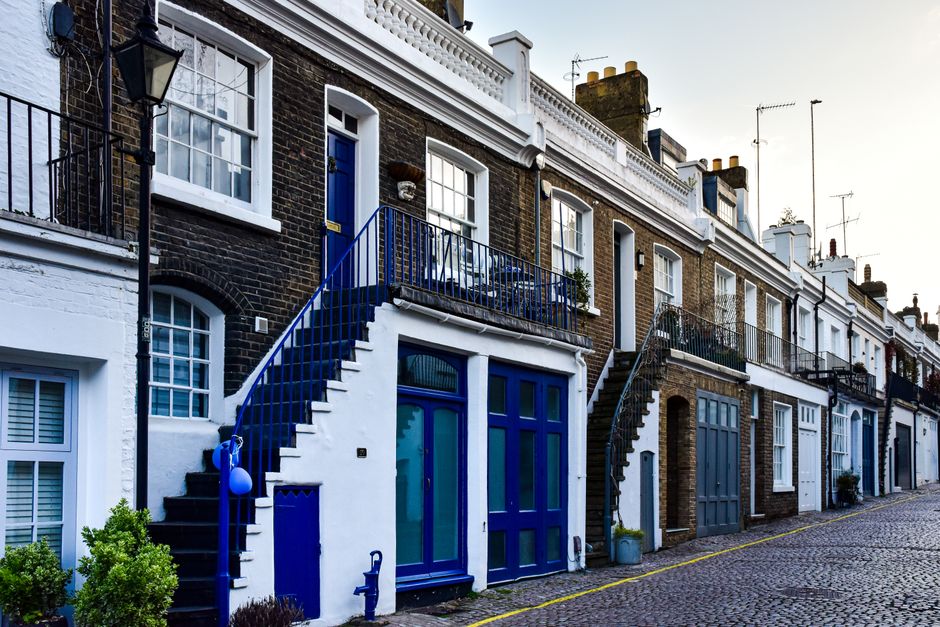
How London's Planning Shake-Up Is Reshaping the £5m+ Property Elite
New permitted development rules and conservation zone tightening are creating winners and losers across the capital's most exclusive postcodes.
Property30 June 2026
All property coverage from London.
New permitted development rules and conservation zone tightening are creating winners and losers across the capital's most exclusive postcodes.

With yields compressed and rents climbing faster than wages, London's rental sector is entering a new era of tension between supply-starved tenants and cautious property owners.

With stamp duty reform breathing life back into the rental market, property investors are discovering that headline returns mask a more complex picture of risk and geography.

Stricter affordable housing quotas and flexible zoning changes are reshaping where and how new homes get built across the capital, with ripple effects already visible in buyer behaviour and developer timelines.

With over 3,000 new homes planned and transport links expanding, Elephant and Castle's transformation offers both opportunity and caution for savvy property investors.
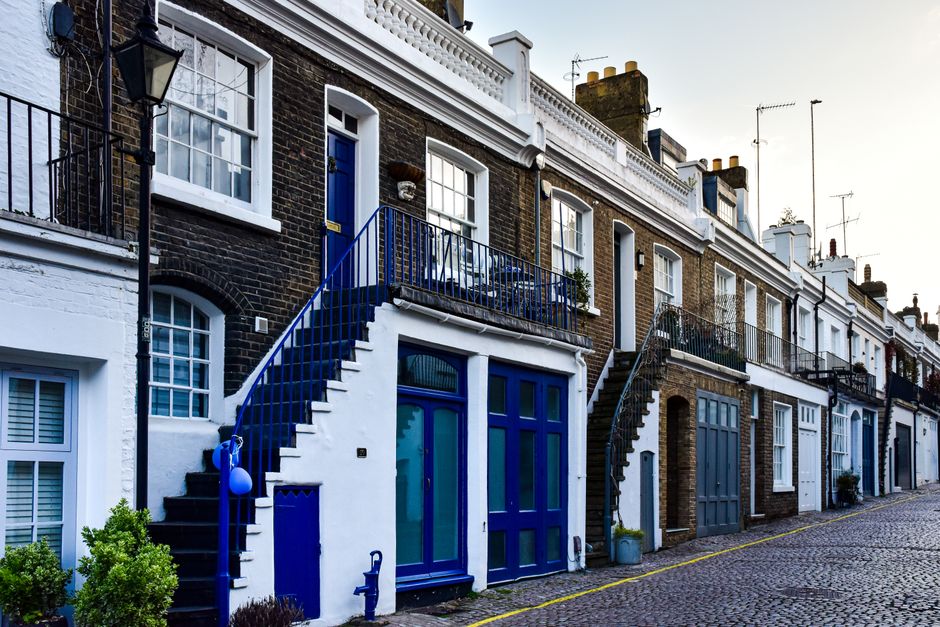
As stamp duty reform reignites the buy-to-let market, yield compression and transport-led premiums are reshaping where smart money is heading.

Recent sales patterns and clearance rates reveal where planners should focus—and where construction pipelines risk oversupply.

New permitted development rules and conservation zone tightening are rewriting the rulebook for ultra-prime real estate from Belgravia to Notting Hill.

Recent policy shifts around stamp duty relief and affordable housing mandates are creating pockets of opportunity—and risk—across the capital's property zones.

First-time buyers can find traction in Elizabeth Line corridors like Woolwich and Canning Town. Here's where value persists in London's £350k–£450k bracket.

As Elizabeth Line connectivity reshapes the map and stamp duty reform reignites buy-to-let interest, we've identified the neighbourhoods where fundamentals—not hype—are powering growth.

3,000+ new homes approved in Leyton, Waltham Forest. Elizabeth Line spillover and improved transport drive buy-to-let demand in East London's emerging investment hotspot.

Fresh government grants and planning reforms are reshaping where and how first-time buyers can afford to break into London's property market—but timing and location could make all the difference.

As vacant land and struggling properties change hands at record speeds, the market is sending a stark signal about where developers see profit—and where social housing remains frozen out.

Policy shifts on permitted development and council zoning are forcing savvy investors to recalibrate their strategy across London's rental hotspots.

As stamp duty reform reignites buy-to-let investment, premium properties from Belgravia to Notting Hill are delivering measurable income streams that challenge conventional wisdom about prestige real estate.

As stamp duty reform reignites buy-to-let appetite, data reveals which neighbourhoods are delivering yields that justify investor conviction.
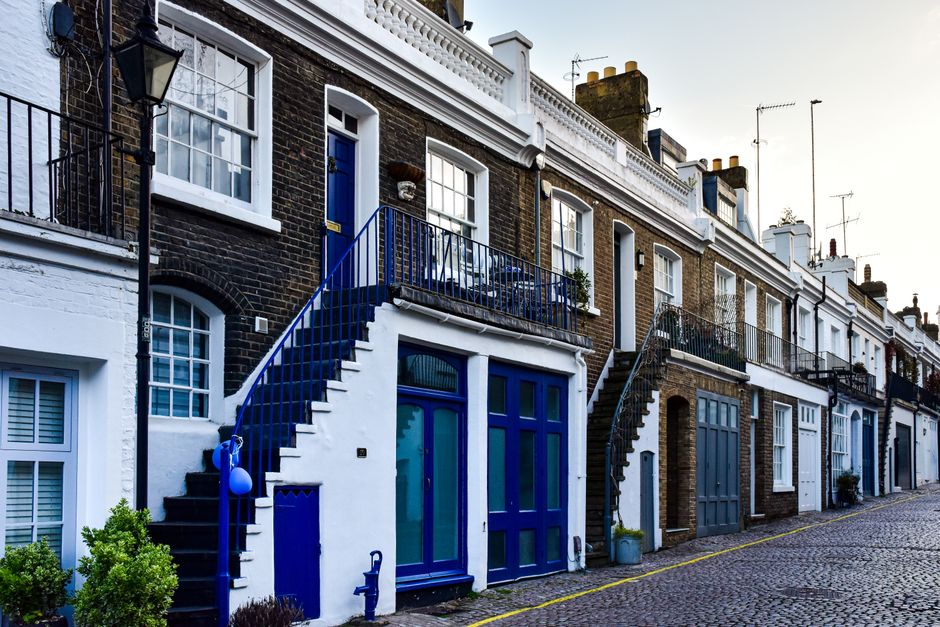
Soaring rents in zones 2-3 are keeping aspiring homeowners trapped in tenancies, while landlords reassess their portfolios after stamp duty reform.
The Daily Network — independent news worldwide