Walk down Exmouth Market on any weekday lunch and you'll spot the collateral damage of global instability: fewer diners, quieter tables, worried restaurateurs. The cumulative effect of international crises—from Venezuela's humanitarian crisis to escalating Middle East tensions—is now rippling through London's business district in ways that feel increasingly urgent.
"We're seeing real pressure on discretionary spending," explains a manager at a Michelin-listed establishment near Covent Garden, who notes foot traffic has dropped 12 per cent since April compared to last year. The connection isn't obvious to the casual observer, but it's there: when geopolitical uncertainty spikes, London's affluent diners—many employed in finance and international trade—become cautious. They defer deals, postpone celebrations, tighten belts.
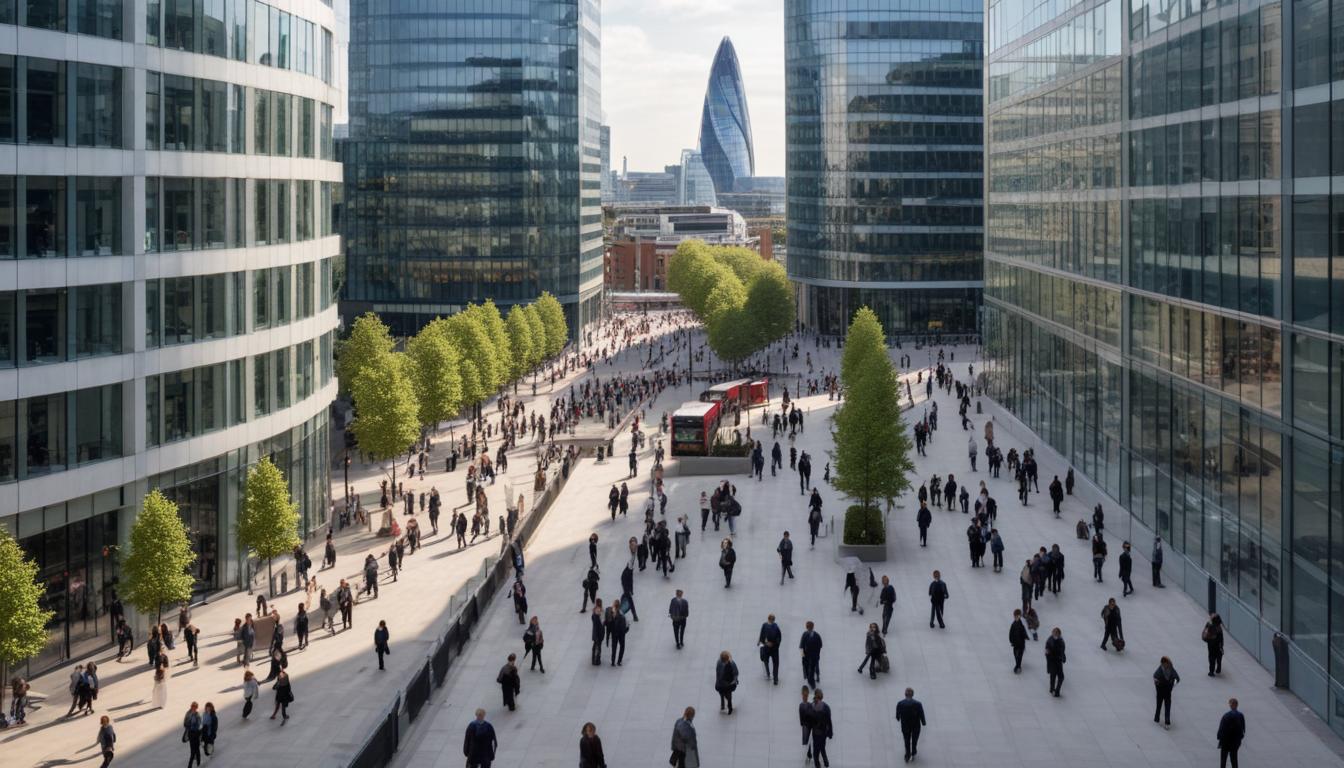
The City itself tells a bleaker story. Investment firms on Canary Wharf and in the Square Mile are reporting client anxiety over Iran-US tensions and their potential impact on oil prices and shipping routes. One mid-sized PE fund managing assets for European pension schemes said portfolio reviews have become monthly rather than quarterly affairs. Volatility breeds hesitation; hesitation freezes capital.
Retail on Oxford Street and Regent Street is similarly strained. International tourists—critical to London's £20bn annual visitor economy—are recalculating travel plans. American visitors, in particular, are becoming more cautious about overseas travel. Summer projections for flagship stores and mid-range chains have been quietly revised downward.
What makes this moment distinctive is the simultaneity of crises. The Venezuelan earthquake, Pakistan-Afghanistan cross-border violence, and ongoing Middle East diplomatic chess all compete for headlines whilst simultaneously depressing investor confidence. London's role as a global financial hub means these distant events land here with force. Currency fluctuations, commodity prices, and capital flow decisions made in Tehran or Caracas directly affect whether a property developer can secure financing for a Shoreditch project or whether a tech startup on Brick Lane can land Series B funding.
Rising interest rates—partly driven by inflation concerns linked to geopolitical instability—have pushed London office rents in premium postcodes up 8 per cent year-on-year, even as occupancy rates remain choppy. For small businesses outside the elite tier, cost-of-living pressures compound: energy bills, staff wages, and supply chain costs all reflect global uncertainty premiums.
The lesson is uncomfortable: London's business health depends less on UK-specific policy than most assume. Global shocks are no longer distant abstractions—they're immediate operational headaches for anyone running a business here.
This article was compiled by AI from the sources linked above and screened before publishing. See our editorial standards.