Business
London Small Business Rent Crisis 2026: Shops Closing
Rising rents are forcing London's independent traders out of Shoreditch, Brixton and the West End. Find out where small businesses are relocating and how to adapt.
3 min read
Business
Rising rents are forcing London's independent traders out of Shoreditch, Brixton and the West End. Find out where small businesses are relocating and how to adapt.
3 min read
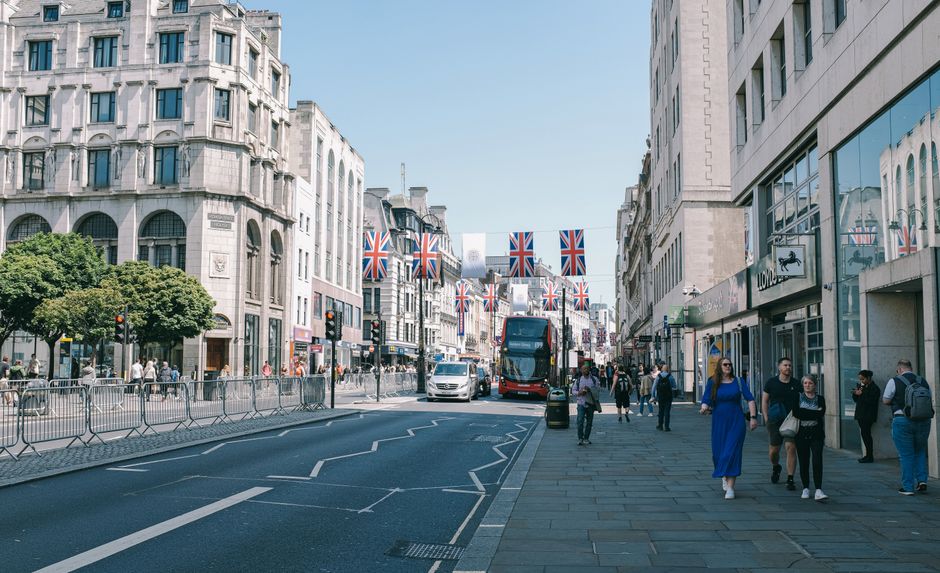
Walk down Brick Lane or Exmouth Market and you'll see the scars of a difficult year for London's small business community. Shop windows that once displayed bold new ventures now advertise "space to let," while established independents are making harder choices about whether to stay put or relocate further out toward zones 3 and 4.
The headwinds facing London's entrepreneurs in 2026 are formidable. Commercial rent in prime neighbourhoods has climbed to levels that would have seemed unthinkable five years ago. A modest 800-square-foot retail unit in Shoreditch now commands upwards of £3,500 monthly, with many landlords pushing for longer lease commitments. For cafés, independent bookshops and design studios operating on thin margins, this represents an existential squeeze.
Data from the Federation of Small Businesses reveals that nearly 67% of London-based operators report deteriorating profit margins compared to 2024. Labour costs have compounded the problem. The living wage now sits at £12.82 per hour for those over 21, and finding reliable staff remains a persistent challenge across hospitality and retail sectors. Many small employers report offering enhanced packages just to retain experienced workers.
Consumer spending patterns have shifted markedly. The combination of mortgage rate pressures and cost-of-living concerns means London shoppers are increasingly selective. Independent traders report footfall down an average of 12-15% compared to this time last year, with purchasing patterns favouring necessity over discretionary items. The casual dining scene around Covent Garden and Borough has been particularly affected, with several established names having closed their doors.
Regulatory compliance costs have also mounted. New environmental reporting requirements, enhanced data protection protocols and ongoing compliance frameworks have created a compliance burden that disproportionately impacts smaller operators lacking dedicated administrative teams.
Yet some entrepreneurs are adapting. Businesses pivoting toward hybrid retail-and-events models—think the creative spaces springing up in Walthamstow and Peckham—are finding new revenue streams. Others are leveraging community partnerships and hyperlocal marketing to compete against larger chains. The Brixton Business Improvement District has become a crucial support network for traders navigating these choppy waters.
The question facing London's small business sector is whether the city can maintain its reputation as a home for entrepreneurial ambition when the fundamental economics have become so challenging. Without relief on rents, rates or regulatory burden, 2026 may well mark a significant turning point in which neighbourhoods retain their independent character.
This article was compiled by AI and screened before publishing. See our editorial standards.
About this article
Published by The Daily London
Spread the word
Daily brief
Free, in your inbox before 7am. Weekdays.
Before you go
The day's London news in a 2-minute read. Free, weekday mornings.