Business
East London Tech Startups: VC Boom in Shoreditch
Venture capital flooding into Shoreditch and Bethnal Green is transforming East London into a genuine innovation hub. Here's who's cashing in on the startup boom.
3 min read
Business
Venture capital flooding into Shoreditch and Bethnal Green is transforming East London into a genuine innovation hub. Here's who's cashing in on the startup boom.
3 min read
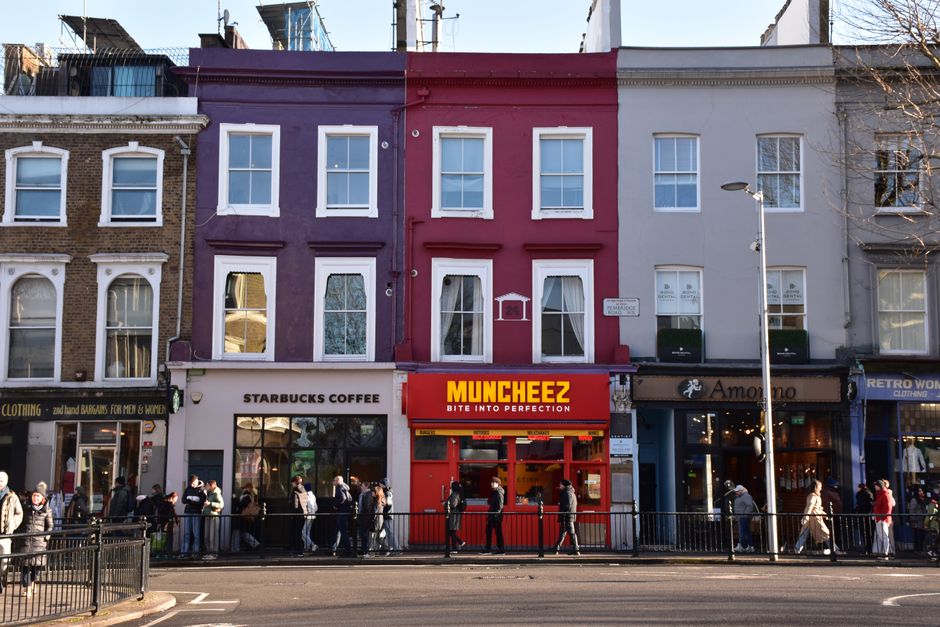
The transformation happening along the Old Street roundabout and sprawling eastwards towards Bethnal Green represents one of London's most significant economic shifts in a generation. What started as cheap warehouse conversions in the early 2010s has crystallised into a genuine innovation district, complete with institutional backing, major corporate investment, and the kind of infrastructure that attracts global talent.
The numbers tell a striking story. Venture capital investment in London-based startups reached £7.2 billion in 2025, with East London capturing an outsized share. Commercial property prices in Shoreditch have climbed to £1,200 per square metre—still substantially below central London but reflecting the district's newfound credibility. Office spaces that commanded £25 per square foot five years ago now fetch £45, according to recent commercial real estate surveys.
The primary beneficiaries are obvious: tech founders securing Series A and B funding are clustering around Brick Lane and City Road, where clusters of venture firms have established permanent outposts. But the opportunity extends further. Property developers who secured long leases on conversion-ready buildings in Hackney Downs and Walthamstow in 2023 are now capturing significant value. Meanwhile, established corporates—including major financial services and insurance firms with offices in the City—are establishing satellite innovation labs in Bethnal Green, betting that proximity to startup energy drives internal transformation.
Secondary players are equally positioned to benefit. Coworking operators who secured flexible landlord agreements three years ago are now operating at 89 per cent occupancy across their East London portfolio. Recruitment agencies specialising in tech talent have expanded headcount by 40 per cent. Even hospitality operators along Curtain Road and Great Eastern Street report rising footfall and higher average transaction values as the district's resident professional population grows wealthier.
The infrastructure question looms. Transport links remain the district's Achilles heel—the Northern Line extension discussions have become something of a perennial conversation. Yet this constraint may paradoxically protect the ecosystem's character. Unlike Silicon Valley's sprawl or Dublin's rapid homogenisation, East London retains a critical mass of independent venues, artist spaces, and cultural institutions that maintain the creative ferment venture capitalists claim to seek.
By 2027, industry analysts expect East London's startup ecosystem will generate somewhere between 12,000 and 15,000 direct jobs. That projection already looks conservative. The real question now is whether the area can maintain the conditions that made it attractive in the first place whilst absorbing that growth.
This article was compiled by AI and screened before publishing. See our editorial standards.
About this article
Published by The Daily London
Spread the word
Daily brief
Free, in your inbox before 7am. Weekdays.
Before you go
The day's London news in a 2-minute read. Free, weekday mornings.