Business
London Hospitality Labour Costs: What Operators Need to Know
London restaurants face 18% wage rises and staffing challenges. Discover how Soho, Borough and West End operators are adapting their business models to survive.
3 min read
Business
London restaurants face 18% wage rises and staffing challenges. Discover how Soho, Borough and West End operators are adapting their business models to survive.
3 min read
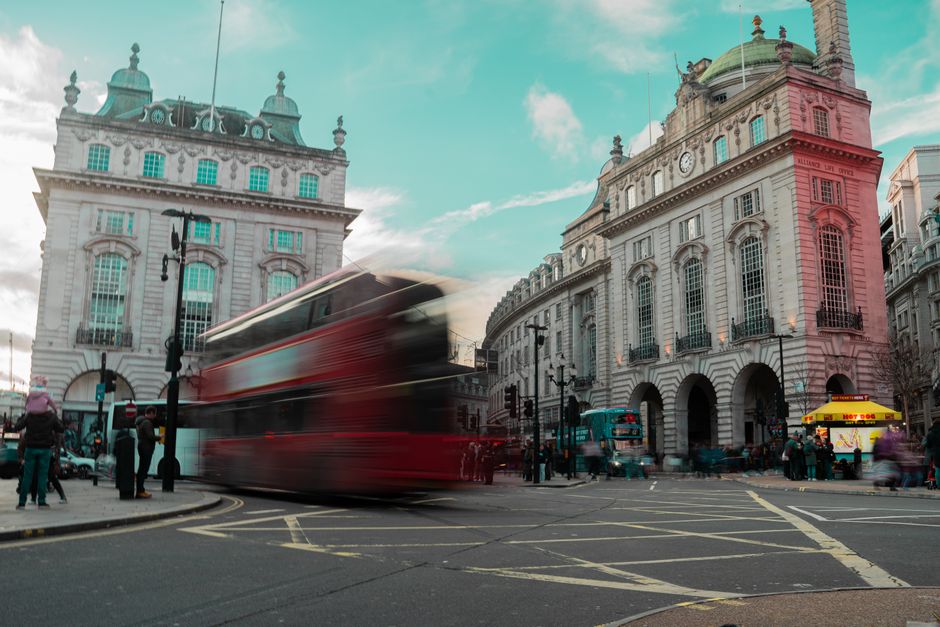
London's retail hospitality sector is navigating a decisive moment. The summer trading period typically sets the tone for the year ahead, but operators across Soho, Borough, Shoreditch and the West End are confronting a convergence of pressures that demand immediate strategic responses.
Labour costs remain the thorniest issue. Hospitality wage bills in central London have climbed roughly 18 per cent over the past two years, driven by tighter immigration controls and competition for staff. A head chef position in Mayfair that commanded £55,000 annually in 2024 now frequently exceeds £65,000. For independent operators running thin margins—typically 8 to 12 per cent in central venues—this represents an existential squeeze. Chain operators like Dishoom and Wahaca have absorbed costs by raising menu prices 12 to 15 per cent, but independent venues on Brick Lane and around Covent Garden face fiercer resistance.
Footfall patterns tell a nuanced story. Weekend trading in prime tourist zones remains robust, with Borough Market and the South Bank consistently busy. Yet mid-week traffic in secondary locations like Islington and Bethnal Green has stalled, requiring businesses to rethink opening hours and staffing models. Some operators are experimenting with four-day trading weeks, while others are leaning heavily into delivery partnerships with Deliveroo and Just Eat—accepting tighter margins in exchange for volume certainty.
Technology adoption has accelerated. Self-service payment systems, kitchen display systems and data analytics platforms are no longer optional extras; they're competitive necessities. Venues investing in these now are gaining operational efficiency gains of 15 to 20 per cent, according to hospitality consultants tracking London businesses.
Consumer behaviour itself is shifting. The post-pandemic appetite for premium dining has softened slightly, particularly in corporate entertaining. Simultaneously, demand for wellness-focused and sustainable options continues climbing, with plant-based menus and locally-sourced ingredients becoming table stakes rather than novelties. Venues along Shoreditch High Street and in Clerkenwell have integrated these moves early and successfully.
The regulatory environment remains fluid. Business rates relief measures introduced during recovery phases have expired, adding cost pressure for lease-holders across the capital. Meanwhile, skills shortages mean training new staff requires more time and investment than pre-2020 norms.
For London's hospitality businesses—whether fine dining on Park Lane or casual concepts in Peckham—the message is clear: operational efficiency, staff retention strategies and a sharper understanding of local customer behaviour aren't future considerations. They're immediate imperatives for surviving a competitive, cost-conscious trading environment.
This article was compiled by AI and screened before publishing. See our editorial standards.
About this article
Published by The Daily London
Spread the word
Daily brief
Free, in your inbox before 7am. Weekdays.
Before you go
The day's London news in a 2-minute read. Free, weekday mornings.