Business
London Hotel Investment 2026: Tourism Recovery Data
London tourism rebounds with 82% West End occupancy and £340m in hotel investment. See what the numbers reveal about hospitality growth.
3 min read
Business
London tourism rebounds with 82% West End occupancy and £340m in hotel investment. See what the numbers reveal about hospitality growth.
3 min read
London's tourism economy is sending unmistakable signals to investors, and the data points to a sector moving with considerable momentum. After a challenging 2024, visitor arrivals have accelerated through the first half of 2026, with accommodation occupancy rates in the West End climbing above 82%—a level not seen since pre-pandemic 2019. These headline figures matter because they translate directly into capital deployment.
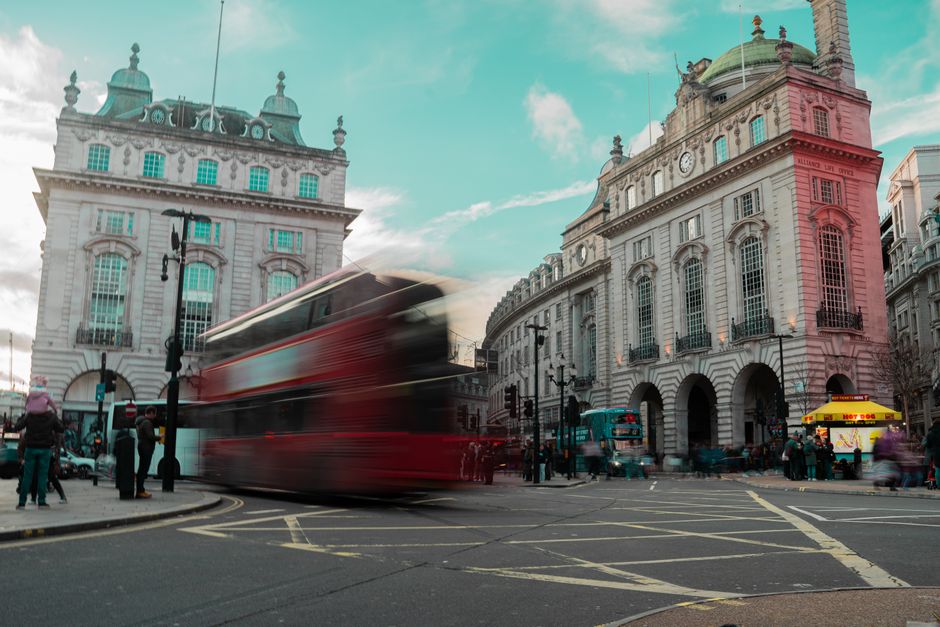
Hotels along Piccadilly and within the Covent Garden precinct have attracted £340 million in renovation funding alone this year, according to property advisors tracking major hospitality investments. Premium brands are competing aggressively for London positions; the average daily room rate across four and five-star properties has risen 14% year-on-year, signalling genuine demand rather than speculative pricing. Budget and mid-range operators are equally invested, with purpose-built student accommodation conversions to serviced apartments generating fresh interest in King's Cross and Whitechapel.
What's driving these investment decisions? Three interconnected indicators. First, international visitor numbers to London are tracking at 16.2 million annually—on pace to exceed 2019 totals by September. Second, average visitor spend has grown, with retail spending up 19% as European and Asian tourists respond to favourable currency dynamics. Third, domestic overnight tourism remains resilient at 12.1 million trips per annum, reflecting staycation durability that investors view as a stabilising floor.
The distribution matters geographically. While traditional anchors like the South Bank and Mayfair remain dominant, capital is flowing into emerging zones. Borough Market and adjacent riverside areas have drawn £280 million in mixed-use development commitments. East London hospitality—particularly around Shoreditch and Bethnal Green—is capturing investment from operators targeting younger, experience-focused travellers willing to spend on craft dining and entertainment.
For business travellers, conference spending has rebounded sharply. The Queen Elizabeth II Centre and ExCel continue to drive commercial accommodation demand across Southwark and East London, with corporate travel budgets stabilising post-2024 uncertainty.
The visitor economy now represents approximately 9.2% of London's economic output—roughly £44 billion in direct and indirect value. When institutional investors and hospitality funds evaluate London deployments, they're reading these metrics as signals of sustained, diversified demand across multiple visitor segments. Currency fluctuations, geopolitical tensions affecting routes to the Middle East, and domestic economic confidence all feed into forecasting models, but the data consistently points to one conclusion: London remains the primary destination capturing global leisure and business travel capital flowing into Europe.
This article was compiled by AI and screened before publishing. See our editorial standards.
About this article
Published by The Daily London
Spread the word
Daily brief
Free, in your inbox before 7am. Weekdays.
Before you go
The day's London news in a 2-minute read. Free, weekday mornings.