London's Wellness Sector Booms as Entrepreneurs Capitalise on £15bn Health Market
From Shoreditch studios to Mayfair clinics, a new wave of independent operators is seizing the moment as demand for mental health and preventative care services outpaces traditional providers.
This article was generated by AI from the linked public sources. The Daily London is independently owned and covers London news free from advertiser or sponsor influence. Read our editorial standards →
The wellness revolution sweeping London's business landscape has created an unexpected goldmine for nimble entrepreneurs willing to tap into what industry analysts now value at £15 billion annually across the UK. The window of opportunity—driven by NHS waiting lists stretching beyond two years and corporate appetite for employee wellbeing programmes—has spawned a clutch of innovative startups that are already reshaping how Londoners access mental health, nutrition, and preventative care services.
The most visible beneficiaries occupy the prime real estate along what has become London's wellness corridor. Fitness and mental health studios have proliferated across Shoreditch, Bethnal Green, and Clapham Common, with commercial rents in these areas ranging from £80 to £150 per square foot—considerably cheaper than Mayfair or Knightsbridge, yet still attracting affluent clientele willing to travel for specialist services. Industry data suggests independent wellness practitioners now capture approximately 23 per cent of London's premium health services market, up from just 8 per cent in 2020.
What sets this wave apart from previous health-tech booms is the diversity of operators entering the field. Beyond yoga studios and personal trainers, entrepreneurs are launching corporate wellbeing consultancies, nutritionist networks, and hybrid digital-physical clinics. Several have already attracted institutional backing. Market research from the London Chamber of Commerce indicates that wellness-focused startups secured £380 million in investment during 2025, nearly double the previous year.
A significant factor driving this growth is the NHS crisis. With mental health referrals in London up 34 per cent since 2023, private practitioners—many working from converted Georgian townhouses in Islington or modern flex spaces in King's Cross—are positioning themselves as accessible alternatives to stretched NHS services. Monthly private therapy sessions now command £90 to £200 per hour in central London, with some practitioners reporting 60-70 per cent capacity utilisation.
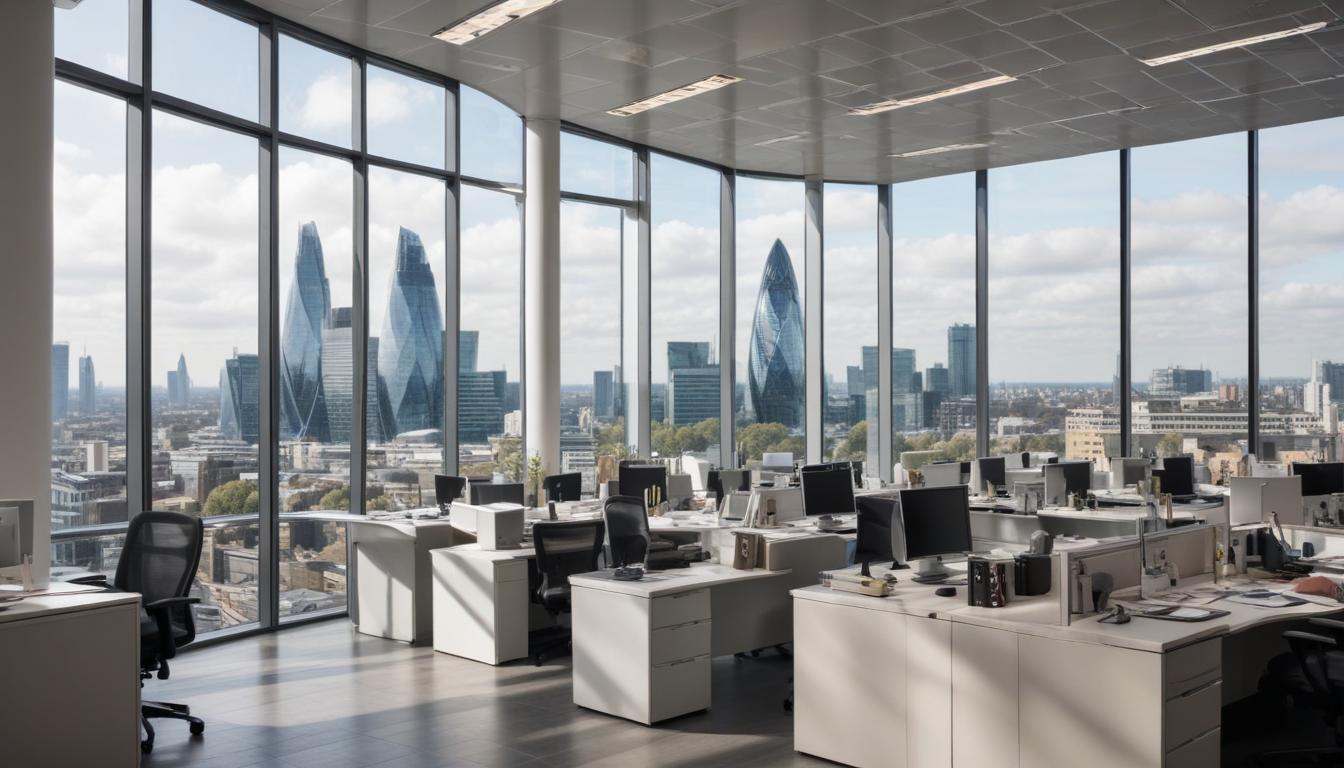
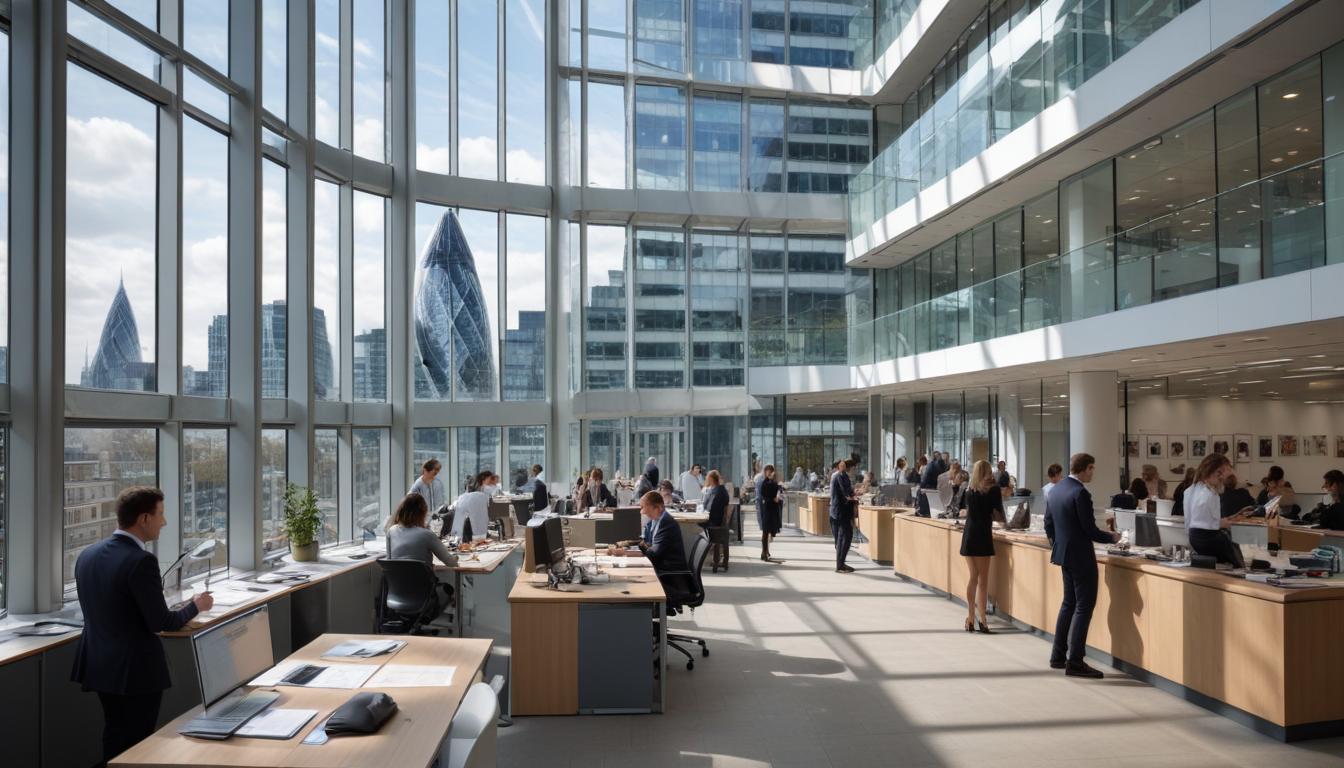
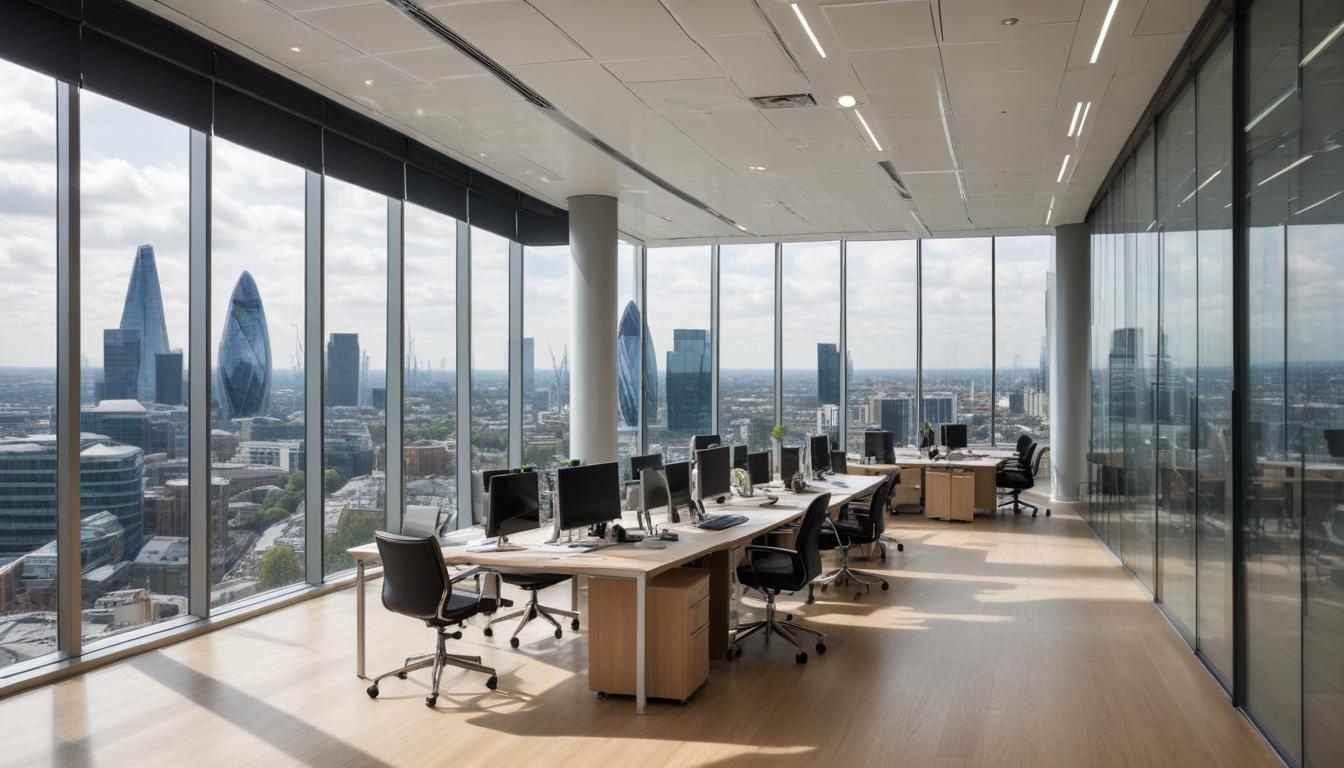
The corporate segment offers another avenue. Many FTSE 100 companies headquartered or significantly present in London—from financial services in the Square Mile to tech firms in Southwark—are now allocating unprecedented budgets to employee mental health programmes. Independent consultancies bidding for these contracts report close to 50 per cent growth year-on-year.
Yet challenges loom. Regulatory uncertainty around online therapy provision, rising property costs in desirable neighbourhoods, and increasing competition from larger consolidated players threaten to consolidate gains among early movers. Still, for entrepreneurs who entered the space 18-24 months ago, the timing has proved fortuitous, and the window appears far from closing.
This article was compiled by AI from the sources linked above and screened before publishing. See our editorial standards.
Covering business in London. This article was generated by AI from the linked sources and was not reviewed by a human editor before publishing. See our editorial standards.