The gates to Regent's Park open at dawn most days, and by mid-morning on a Friday in early July, the grass near the Open Air Theatre is already dotted with people who've paid nothing to be there. No entrance fee. No membership card required. Just Londoners taking shelter in the green space while the heatwave that's killed thousands across the continent bears down on the city.
This simple fact—that London still offers cultural and recreational access to anyone with time and curiosity—matters more than it might seem. Europe is convulsing. Terrorist threats prompt border sweeps. Russia's war economy strains fuel supplies. Iran's political succession unfolds amid international scrutiny. Floods in West Africa and Venezuela have displaced families. The continent just endured a heatwave that left 2,025 excess deaths in France alone. In this context, London's free cultural infrastructure isn't a luxury. It's become a lifeline for thousands of residents whose household budgets have contracted, whose work has become precarious, whose grip on disposable income has loosened.
The Southbank Centre—that sprawling cultural complex that runs from Westminster Bridge to Tower Bridge along the Thames—offers free entry to its public spaces year-round. No ticket needed to walk through the foyer of the National Theatre on the South Bank, or to sit on the terraces overlooking the river. The Barbican Centre in Moorgate runs a parallel model, with free access to its public galleries and performance spaces. Both venues depend on a skeleton crew of paid staff and a much larger cadre of volunteers who understand that gatekeeping culture by price excludes the people most likely to need it.
The Organisers Behind the Open Doors
Sarah Chen, who coordinates volunteer programs at the Southbank Centre, says the demand for free programming has accelerated sharply since early 2025. "We've shifted our scheduling to accommodate more free events," she explained during a phone call on Thursday. "Not because we suddenly have more funding—we don't. But because we've watched participation drop when there's a ticket price attached. People are making difficult choices about where their money goes." The centre now hosts free outdoor film screenings every Thursday and Friday through August, free classical music recitals twice weekly in the foyer, and free drop-in art workshops run by practicing artists from across London.
The numbers tell the story. Attendance at paid ticketed events at major London venues dropped 18 percent between 2024 and 2025, according to data released by the Association for Cultural Enterprises in March. Free programming, by contrast, saw a 34 percent surge in participation over the same period. The Southbank Centre alone recorded 1.2 million visits in 2025—a figure that would have seemed impossible a decade ago when the centre relied far more heavily on paid admissions.
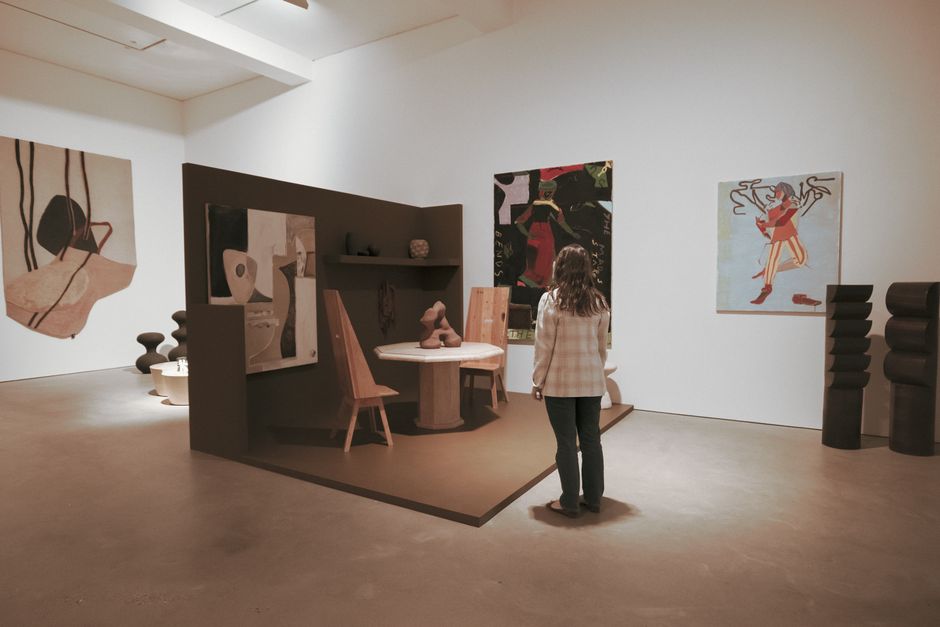
Small neighbourhood galleries have pivoted too. The First Friday collective, which operates artist-run studios across Hackney and Shoreditch, abolished studio visit fees in January 2025. The decision meant lost revenue—roughly £8,000 annually—but it also meant that anyone curious about contemporary painting, sculpture, or printmaking could walk into those spaces without financial barriers. Studios participating in the scheme report that removing the entry fee actually increased donations and direct sales from visitors.
Where to Go Today
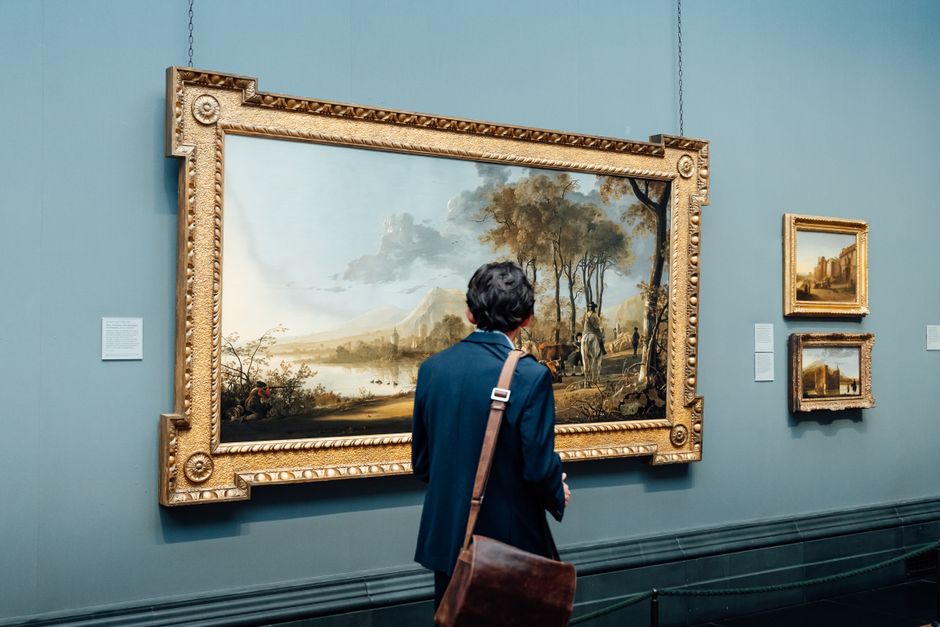
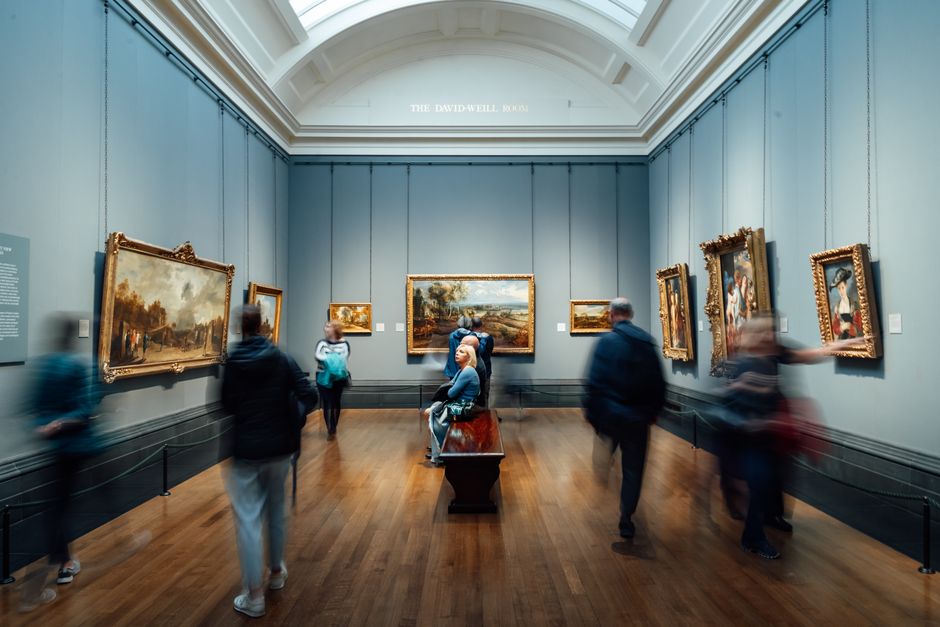
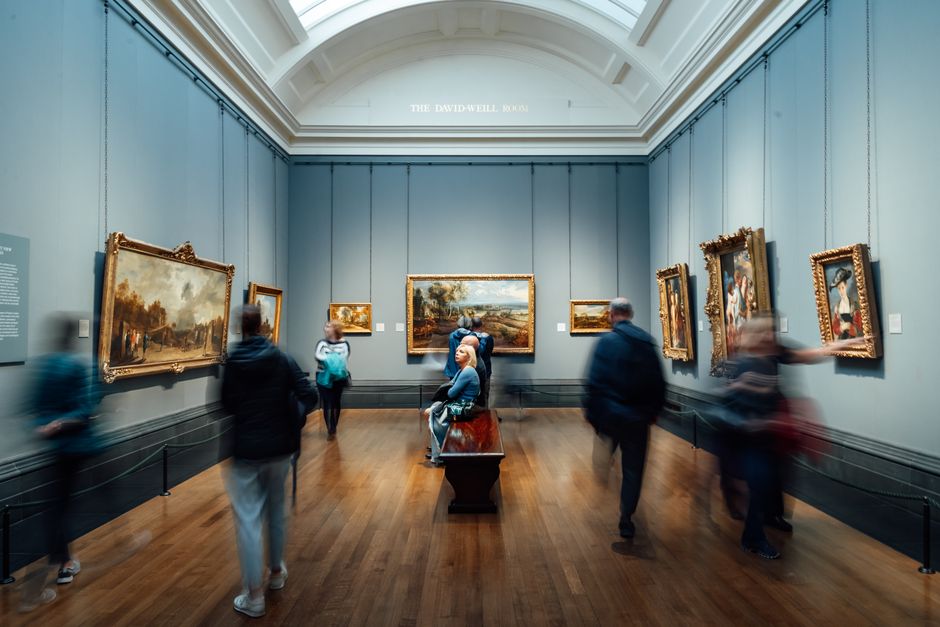
For anyone in London looking for something to do without spending money, the options are substantial. The British Museum and the National Gallery remain free to enter. The Geffrye Museum in Hoxton charges no admission. Hampstead Heath and Clapham Common offer green space and informal cultural programming—impromptu music sessions, outdoor yoga, community gatherings—that cost nothing beyond transport to get there. Brockley Market in southeast London opens most weekends with free live music and performances alongside the market stalls.
The volunteers who staff these spaces, who programme the free events and keep the doors open, are betting that cultural participation shouldn't depend on a bank account balance. In a European summer marked by crises that feel distant until they arrive at your doorstep, that bet feels quietly radical. It also feels necessary.