London's most valuable cultural assets won't cost you a dime today. The British Museum, National Gallery, Tate Modern and Victoria and Albert Museum all operate free permanent collections, drawing an estimated 28 million visitors annually to their open galleries. For anyone arriving in the city during the school holidays—or simply looking to explore without the ticket booth—understanding how to navigate these institutions has become essential.
The surge in free access to major museums fundamentally changed London's cultural landscape after the Labour government removed admission charges in 2001. Today, that policy underpins the city's claim as a genuinely accessible cultural destination. Yet most visitors don't realise the full scope of what's actually free versus what carries a charge, leading to wasted time at reception desks and missed opportunities. With summer temperatures climbing and heat warnings affecting continental Europe, London's air-conditioned galleries have become even more appealing to international tourists seeking refuge.
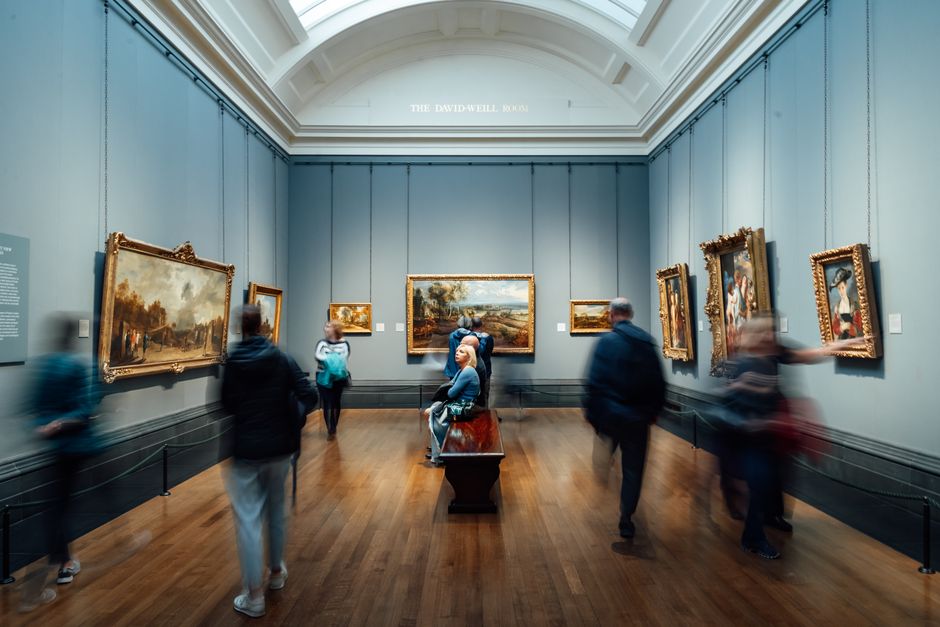
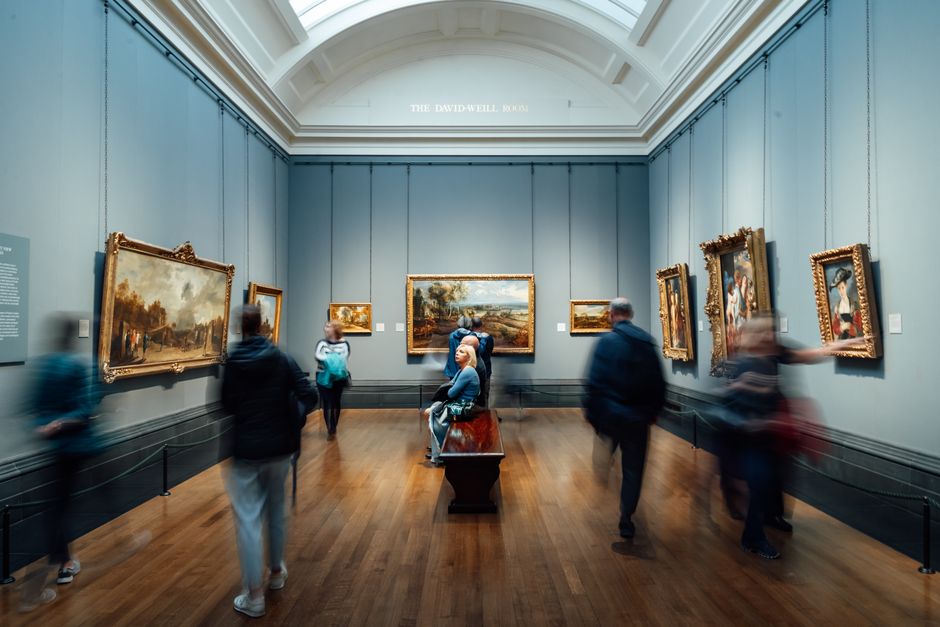
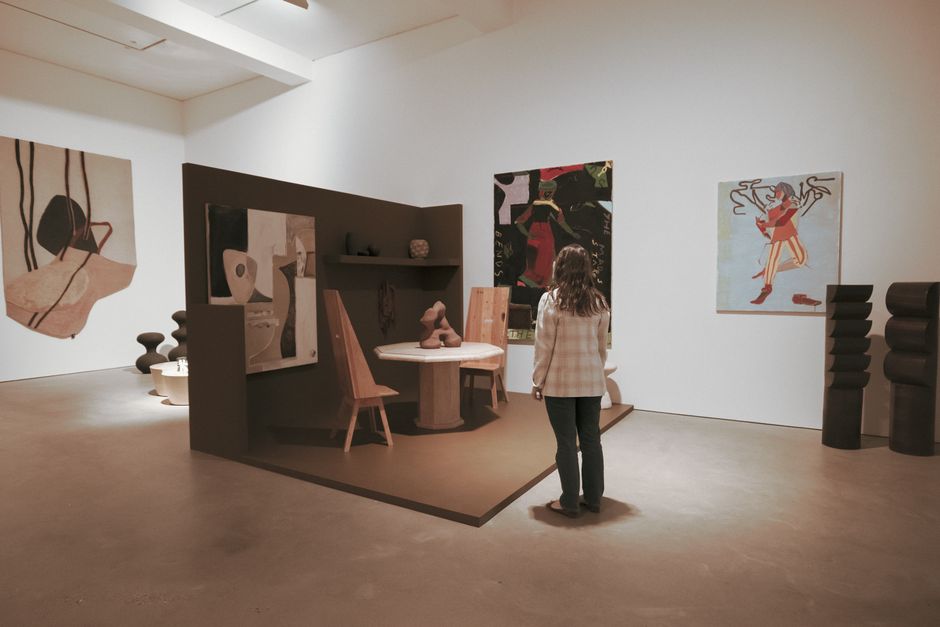
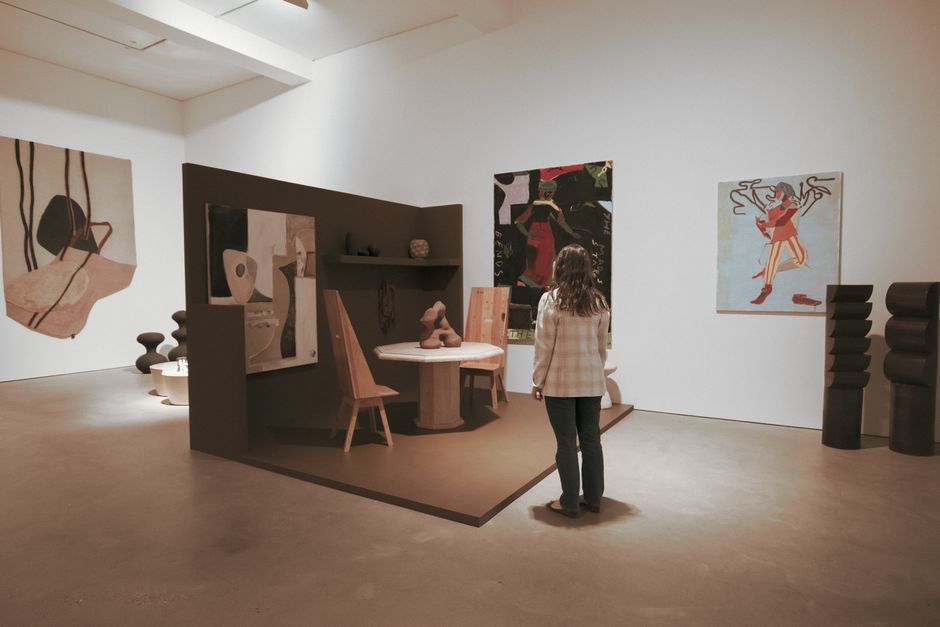
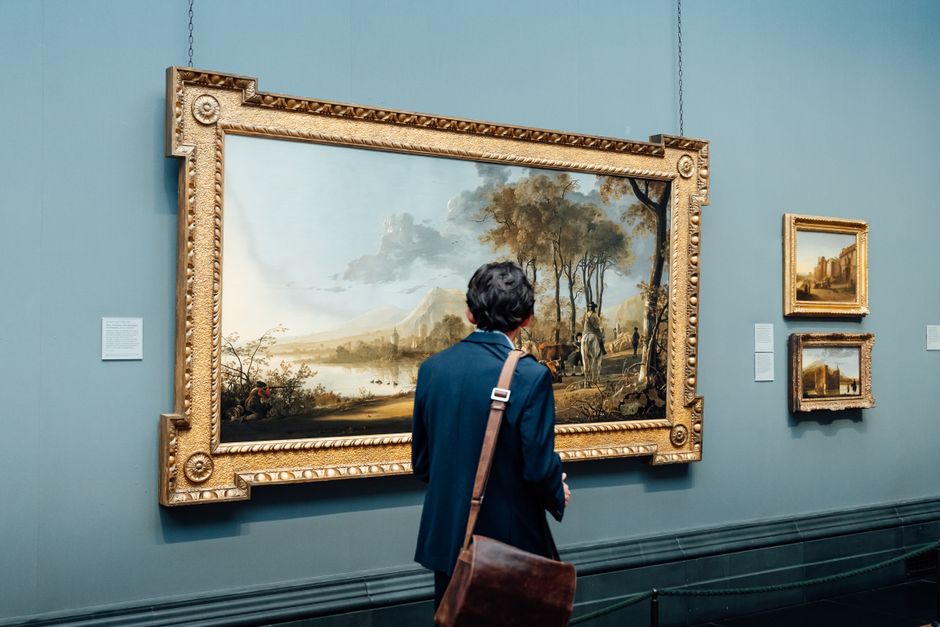
The National Gallery, positioned at Trafalgar Square, houses over 2,300 paintings spanning the 13th century to 1900. Van Gogh's Sunflowers, Turner's Fighting Temeraire and works by Monet, Cézanne and Vermeer sit in climate-controlled rooms. Unlike some continental galleries, you simply walk in. The Tate Modern in Southwark operates the same model—its permanent collection on all 10 floors costs nothing, though the blockbuster exhibitions on the third floor carry admission fees.
The V&A on Cromwell Road in South Kensington houses decorative arts, fashion and design. Its medieval galleries, Renaissance jewellery and contemporary installations are all free. The museum receives 3.9 million visitors annually, many of them from overseas, making it genuinely representative of how London's cultural institutions function as public goods rather than revenue generators.
Beyond the Marquee Names
Lesser-known institutions offer serious depth without the crowds. The Wallace Collection near Manchester Square contains 18th-century furniture, Old Master paintings and an armoury. The Courtauld Gallery at Somerset House displays Impressionist works in a manageable space. The Geffrye Museum in Shoreditch traces domestic interiors across four centuries. None charge admission.
London's parks and public spaces cost nothing. St James's Park, Hyde Park, Kew Gardens' outer grounds and the Thames Path offer air, light and views when museums feel overwhelming. Richmond Park, stretching across 2,500 acres southwest of the city centre, hosts free access and deer that roam freely. Hampstead Heath on the northern edge provides swimming ponds and panoramic views back toward central London.
Street culture remains free. Camden Market operates daily (though individual stalls charge for goods). Brick Lane's street art evolves constantly. Borough Market, operating since 1756, charges nothing to wander, though food vendors expect payment. The South Bank Centre's outdoor terraces host regular free performances and screenings during summer months.
The British Library's reading rooms require registration but are free to access. The National Archives in Kew allow public visits to historical documents. Smaller galleries throughout Shoreditch, Hackney and Peckham operate on emerging artist models where entry remains complimentary.
Practical advice for today: Start your museum visits by 10am to avoid midday heat and peak crowds. Book timed entry slots online in advance through each institution's website—most operate free reservation systems. Bring water; London's tap water is among Europe's safest and most reliable. Many museums offer cloakrooms where you can deposit bags, extending how long you can comfortably stay. Plan three to four hours per major museum rather than trying to blitz everything. The permanent collections aren't going anywhere, and returning later in your trip works better than rushing through rooms.
For summer 2026 specifically, check individual venues' websites for extended evening hours and outdoor programming. Several museums extend opening until 9pm on select evenings during July and August, allowing visitors to explore during cooler parts of the day. Most offer free WiFi throughout their buildings.