How London's Summer Festival Scene Built Itself from Scratch—and What's On This Weekend
From pub gigs to stadium shows, London's cultural calendar has transformed in two decades. This weekend's lineup proves the evolution isn't finished.
4 min read
From pub gigs to stadium shows, London's cultural calendar has transformed in two decades. This weekend's lineup proves the evolution isn't finished.
4 min read
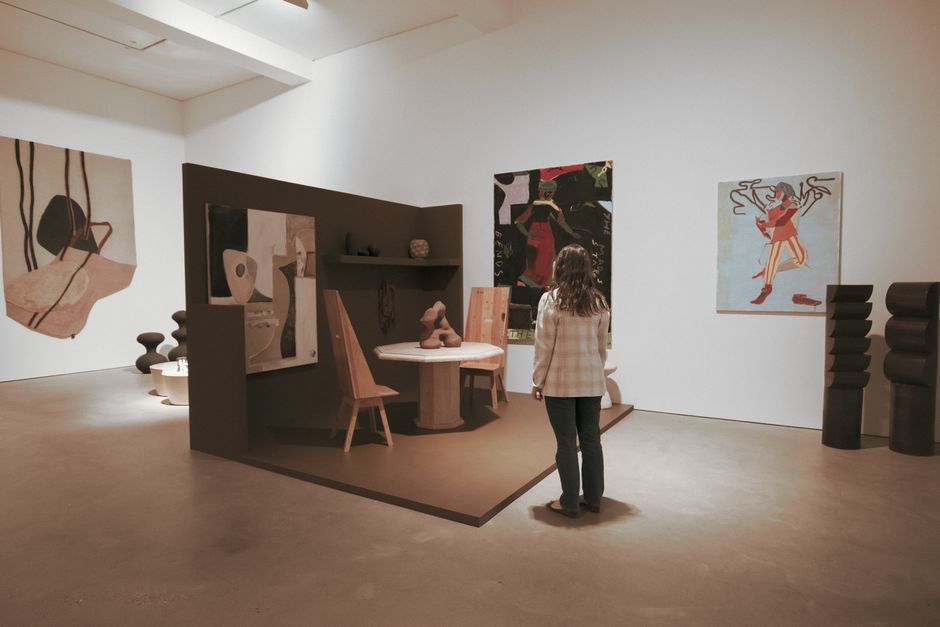
London this weekend hosts over 200 ticketed events across music, theatre, and visual arts—a figure that would have seemed impossible twenty years ago. The British Summer Time festival at Hyde Park opens tonight with a major rock headliner, the National Theatre on the South Bank launches a new contemporary play, and grassroots venues from Brixton to Shoreditch host everything from jazz nights to experimental dance. The sheer density reflects a cultural infrastructure that barely existed in 2004.
That gap matters now because London's event sector is still recovering. Venues shuttered during the pandemic, touring schedules fragmented, and independent promoters lost years of revenue. Yet what's reopening this weekend isn't simply a return to 2019. The city's cultural calendar has fundamentally restructured itself—smaller, more distributed, more aggressively booked. The question is whether this actually serves audiences better or just means more choice with less depth.
In the early 2000s, London's summer event calendar relied on a handful of anchors. The Proms ran each August at the Royal Albert Hall. A few outdoor cinema screens appeared in parks. Soho Theatre and the Barbican drew niche audiences. The O2 hosted stadium acts. Everything else was ad-hoc. The Southbank Centre—the Queen Elizabeth Hall, Hayward Gallery, and Royal Festival Hall complex—operated primarily for established audiences with money and advance knowledge.
That changed partly through city policy. In 2006, the Mayor's office began actively promoting outdoor events. The first British Summer Time festival in 2013 drew 65,000 people across three weekends. By 2019, it had expanded to a full month with multiple stages and topped 700,000 attendees. Similar growth happened at Street Theatre, which moved from a single venue on Southwark Street to installations across Bermondsey and Elephant & Castle by 2018. Meanwhile, smaller venues—the 300-capacity Roundhouse in Camden, the 500-seat Soho Theatre—added weekend programming specifically designed to build regular audiences rather than chase occasional sellouts.
The logistics got genuinely complex. Licensing requirements for outdoor events in Westminster alone can take four months. The Southbank Centre employs a full-time events coordinator role, a position that didn't exist before 2010. Brixton's venues—the Brixton Academy (now under different ownership), the Fleece, Hootananny—needed to coordinate with local residents who'd spent years negotiating noise agreements.
Ticket prices tell the real story. A general admission ticket to British Summer Time runs £45 to £65 this year, compared to £28 in 2013. The Barbican's summer film series costs £9.50 per film, but requires annual membership at £20. Most grassroots venues charge £8 to £15 for evening shows, though that's increased from £5 entry fees in 2010. The cumulative effect: a serious summer culture consumer spending 20 percent more in real terms than a decade ago.
Attendance data is harder to pin down because no central authority tracks it. But Arts Council England reported in 2023 that London venues hosted 8.2 million admissions annually across theatre, music, and visual arts—up from 5.3 million in 2012, though accounting for population growth that's roughly flat per capita.
This weekend specifically: the National Theatre offers eight different productions, including matinees. The Royal Opera House runs three ballets. The Roundhouse in Camden hosts two separate music events. Southbank Centre coordinates seven different free outdoor activities. Hackney Downs Studios opens a three-day visual arts market. The listings require serious navigation. Most Londoners will see two or three things, not ten.
If you're planning to attend something, book ahead. The South Bank's free outdoor screenings fill by early afternoon on weekend days, and the queuing system for popular shows often starts an hour before doors. Street parking near major venues is functionally impossible—use Transport for London's journey planner and budget an extra 15 minutes for navigation. Independent venues in Shoreditch and Brixton have started using online booking systems to manage capacity, so walk-up entry is increasingly unreliable. The scene has evolved not just in what's available but in how you access it.
About this article
Published by The Daily London
Spread the word
Daily brief
Free, in your inbox before 7am. Weekdays.
Before you go
The day's London news in a 2-minute read. Free, weekday mornings.