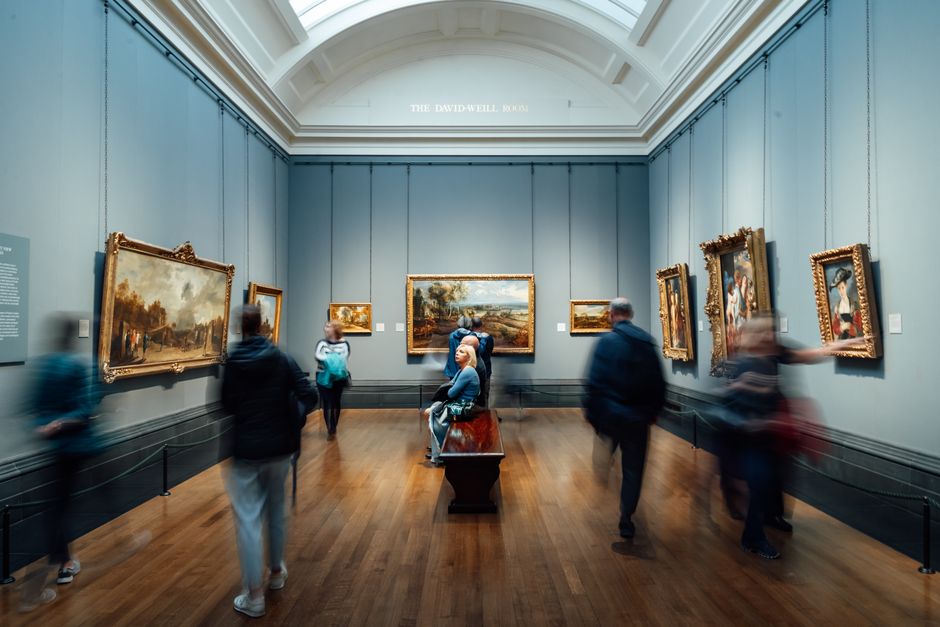
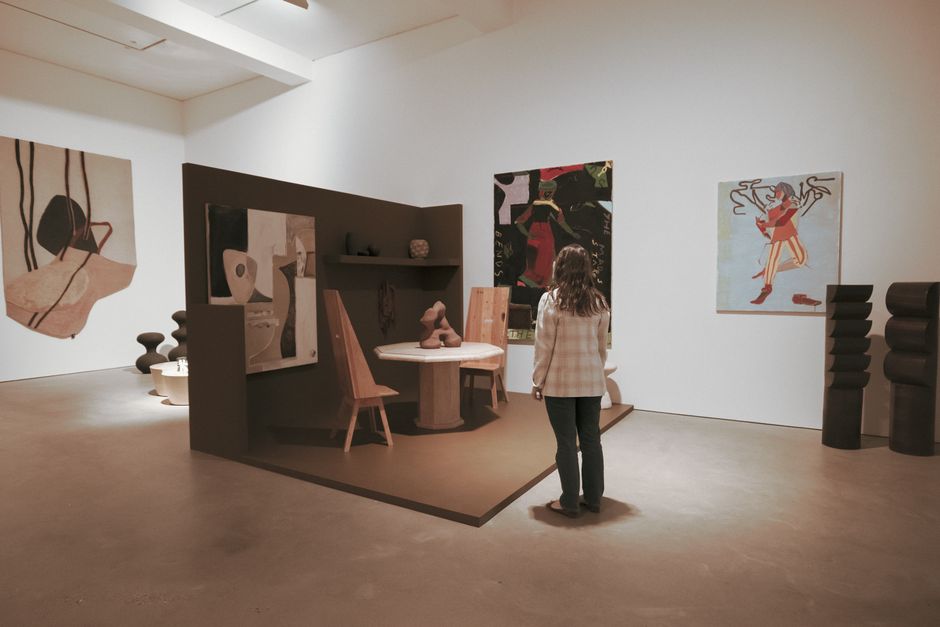
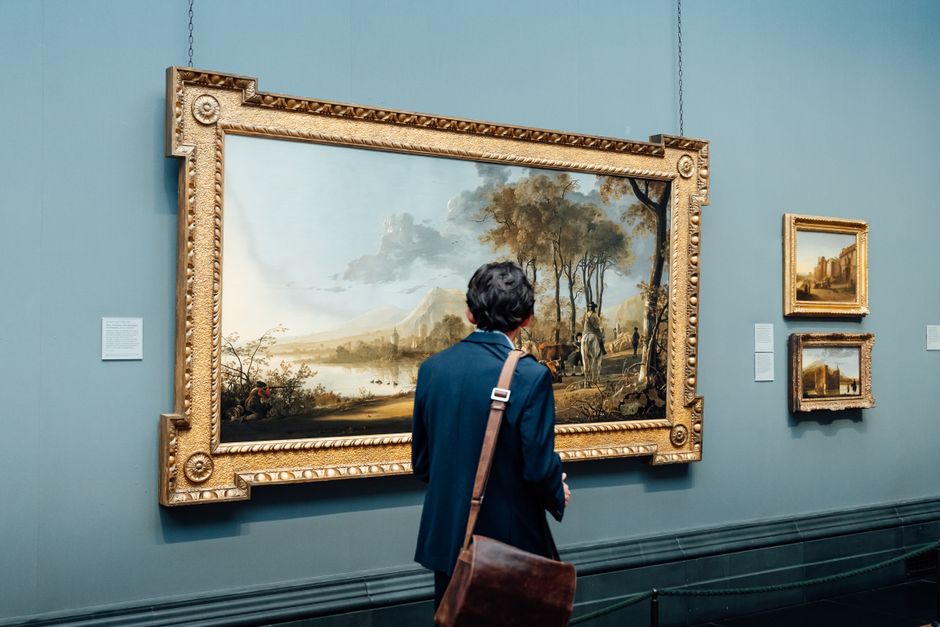
The Southbank Centre opens its summer season this weekend with the first full festival programme since reopening its concert hall renovation last autumn, drawing crowds who want to see where Britain's cultural institutions are heading. But the real story isn't what's on stage at the Queen Elizabeth Hall or the Royal Festival Hall—it's how London got here at all.
Three decades ago, London's summer event calendar looked nothing like this. The city's cultural scene was fragmented, underfunded, and largely confined to the West End or the South Bank's formal institutions. Independent venues operated on shoestring budgets. Outdoor festivals didn't really exist. What changed was a combination of public investment, private sponsorship, and crucially, the arrival of festival culture itself. Today, London hosts more major cultural events between June and September than most European capitals, a shift that redefined how the city sees itself.
How the East End Became Central
The transformation accelerated in the late 1990s and early 2000s, when derelict industrial spaces in places like Hackney and Bethnal Green got repurposed by arts organisations running on Next Steps funding and local council grants. The Barbican Centre, which opened in 1982 in the brutalist tower blocks north of the City, went from being seen as an ivory tower venue to something genuinely connected to communities. By 2010, the gap between the Barbican's classical programme and what younger audiences wanted had narrowed considerably. Organisations like Vortex Jazz Club in Dalston and the Roundhouse in Camden got serious investment and began curating year-round programming that fed directly into festival seasons.
This weekend alone shows the scale. The South Bank's summer offer runs through August. The Dockside Festival, which started as a one-off event in 2015 at the Printworks in Canada Water, has become a fixture of July programming. Meanwhile, smaller venues—the Roundhouse has at least four separate festival-style programmes running concurrently—have figured out how to compete by specialising. The economics changed too. A typical mid-size venue like the Roundhouse, which books around 80,000 visitors annually according to 2024 figures, now generates revenue streams that would have seemed impossible in 1995.
The Numbers That Prove the Shift
London's cultural attendance figures tell the story plainly. In 2000, roughly 18 million people attended paid cultural events across the capital annually. By 2023, that figure had grown to 34 million visits, according to data from the Greater London Authority's culture strategy. Ticket prices have climbed—a typical festival weekend pass now costs between £45 and £85, compared to £12 in the mid-2000s—but the volume of people willing to buy them increased dramatically.
The shift also created a template other cities copied. What started as London clubs and galleries experimenting with outdoor summer programming became the model for festivals elsewhere. The infrastructure matters too: transport links to the South Bank improved substantially after 2000, and the arrival of the Northern Extension line to Nine Elms in 2021 changed how people even think about which neighbourhoods host cultural events.
For anyone planning this weekend, the practical reality is straightforward. Book tickets online before Friday if you're targeting anything at major venues—the Southbank Centre's opening weekend consistently sells out the better programmes. Smaller neighbourhood venues like the Arcola Theatre in Dalston often have capacity for walk-ins, particularly at daytime events. The Roundhouse in Camden has a real mix of weekday and weekend offerings that cater to different crowds. And if the festival fatigue sets in, remember that London's cultural scene evolved precisely because there's now genuine choice, not just the forced march through whatever the establishment decided you should see.