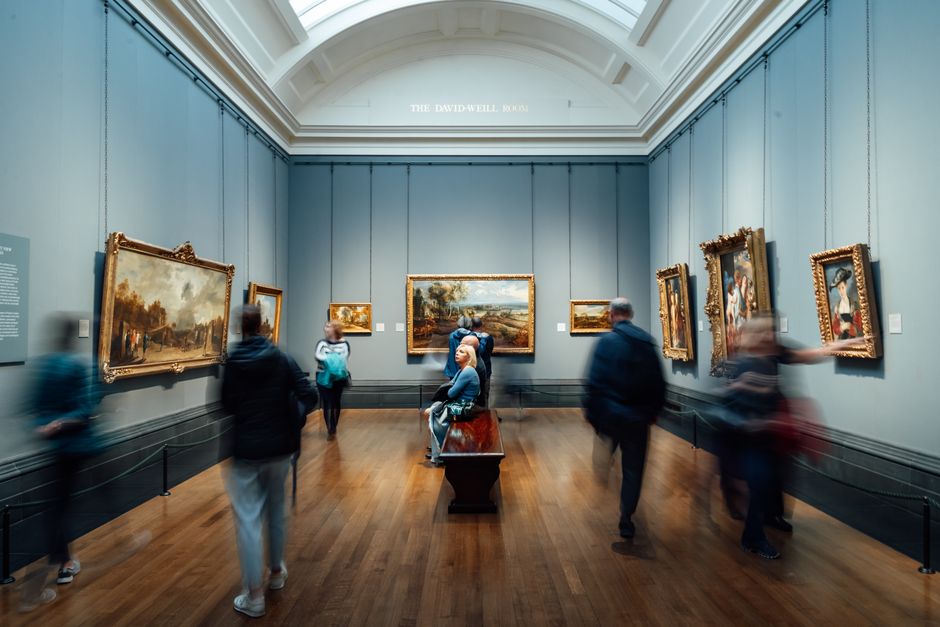
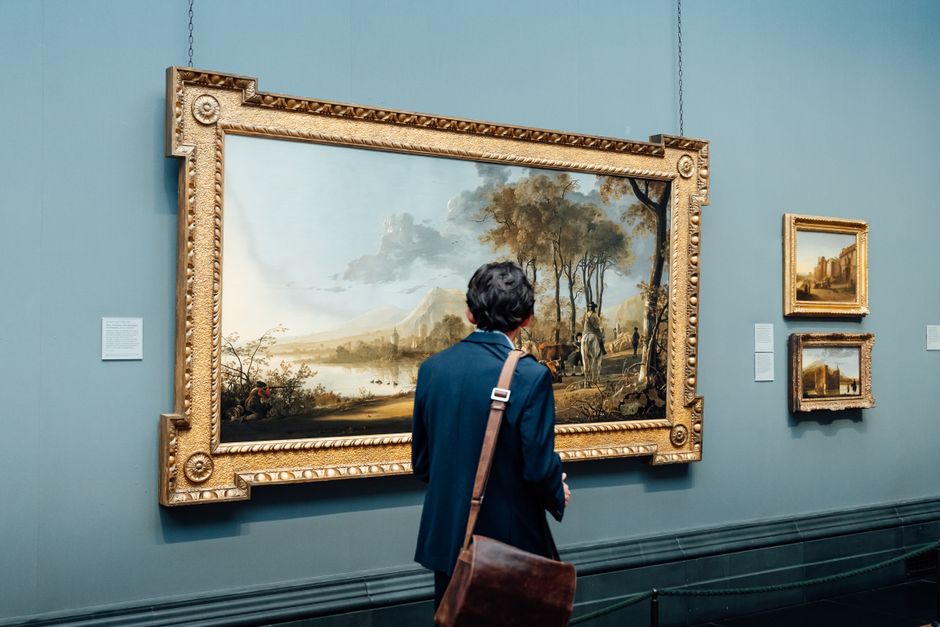
Walk past the National Gallery on Trafalgar Square any Friday afternoon and you'll find queues snaking down the steps. Not for ticketed exhibitions. For the permanent collection, which costs nothing. On a sweltering July day like today, when Paris is still reeling from 2,025 excess deaths during last month's heatwave and much of the continent faces water shortages, London's ability to offer unlimited cultural access for zero pounds has quietly become one of its defining characteristics.
This matters now because London is actively competing for cultural relevance in a moment when cities across Europe are tightening budgets. The Tate Modern, British Museum, and National Portrait Gallery all operate free permanent collections—a model that costs London taxpayers roughly £400 million annually but has become non-negotiable to how the city understands itself. With inflation eating away at discretionary spending across the UK, the free cultural sector has shifted from nice-to-have to survival mechanism for both working artists and the audiences who sustain them.
Where Artists Are Actually Making This Work
The mechanics of free culture in London extend far beyond the major institutions. In Hackney, the Clissold Park Summer Festival runs through August with no entry charge—local musicians, theatre groups and community artists perform daily on a makeshift stage near the bowling green. Meanwhile, the Southbank Centre's public forecourt functions as an unofficial extension of the city's creative infrastructure, hosting free live music, readings and performances that draw thousands weekly. Neither requires a ticket.
These aren't marginal offerings. The Southbank's free programming alone attracts an estimated 2.3 million visitors annually, according to figures the centre released in 2024. Clissold Park's summer programme reaches roughly 35,000 people over the season, with funding split between Hackney Council and Arts Council England. Both depend on artists willing to work for exposure, travel costs, and the knowledge that they're reaching audiences they'd never access through paid venues.
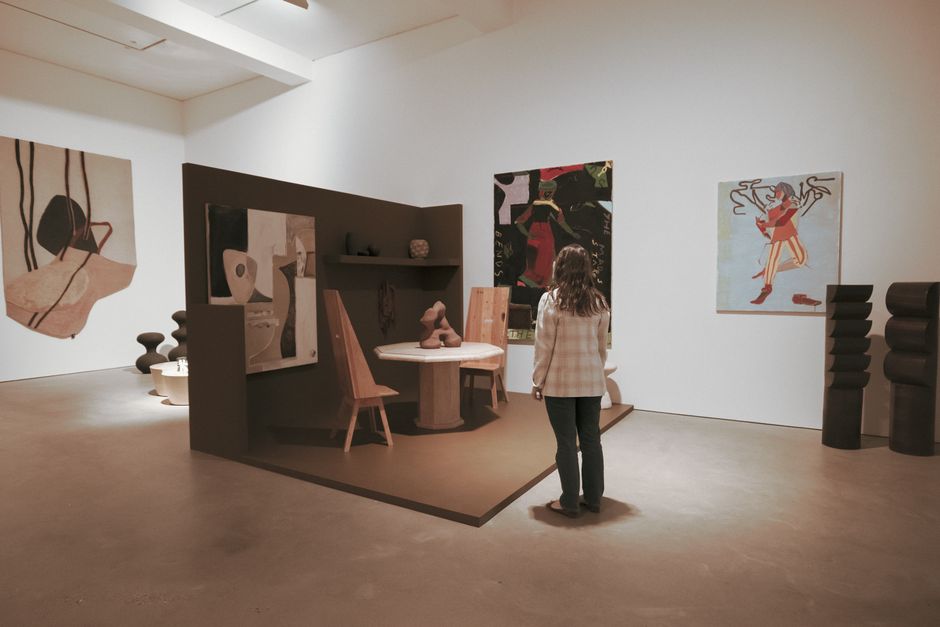
The Gallery at 6 Helmsley Place in King's Cross operates entirely free and artist-run. No council funding. No major philanthropy. Three painters and a sculptor lease the space themselves and cover costs through studio sales in the back room. Their model has become almost standard among emerging visual artists in London: create free public access, monetise the work itself rather than the viewing experience. It's a formula that's reshaping which voices get heard in the city.
What the Numbers Actually Say About Access
Research from the Institute for Public Policy Research published in 2025 found that 61 percent of Londoners visit free cultural venues at least once annually, compared to 38 percent nationally. Income matters dramatically: households earning under £25,000 per year account for 71 percent of free museum visitors but only 22 percent of paid theatre-goers. The free offer isn't egalitarian theatre—it's the difference between cultural participation and exclusion for much of the city's population.
The economics are equally stark. A single ticket to the Royal Opera House starts at £48. The National Gallery entrance is £0. When Spanish tourists, school groups, unemployed creatives, and pensioners make free venues their default, they're effectively voting with their feet on how London defines cultural citizenship. You don't need money to belong to this city's artistic conversation.
Today, if you're looking to understand London's creative identity, skip the paid attractions. Head to any of the permanent collections, catch the free concerts at Southbank, or wander into one of the artist-run galleries in Hackney or King's Cross. That's where the city's actual cultural conversation happens—not behind velvet ropes, but in the spaces anyone can enter. That access isn't incidental to London's identity anymore. It's central to it.