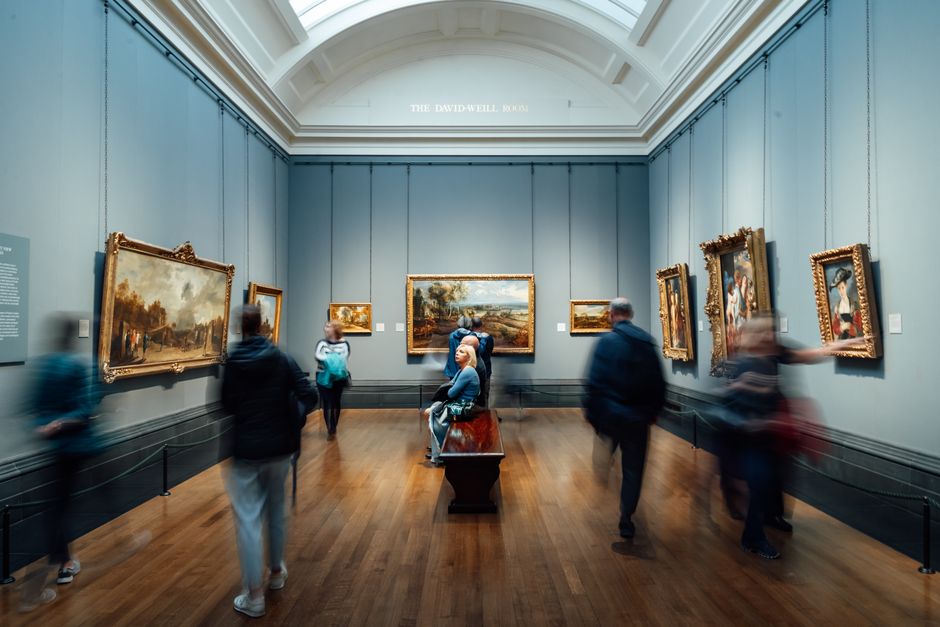
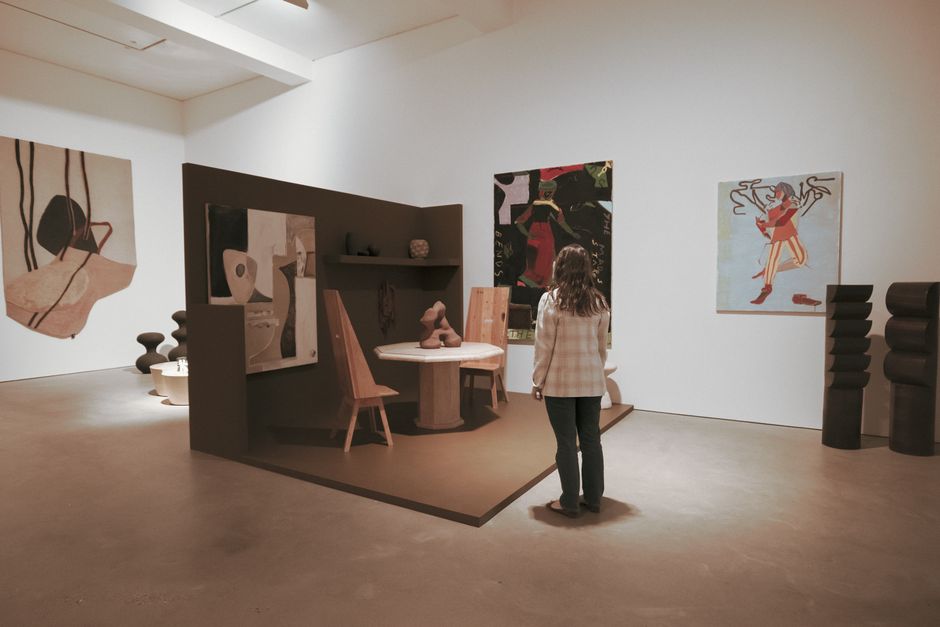
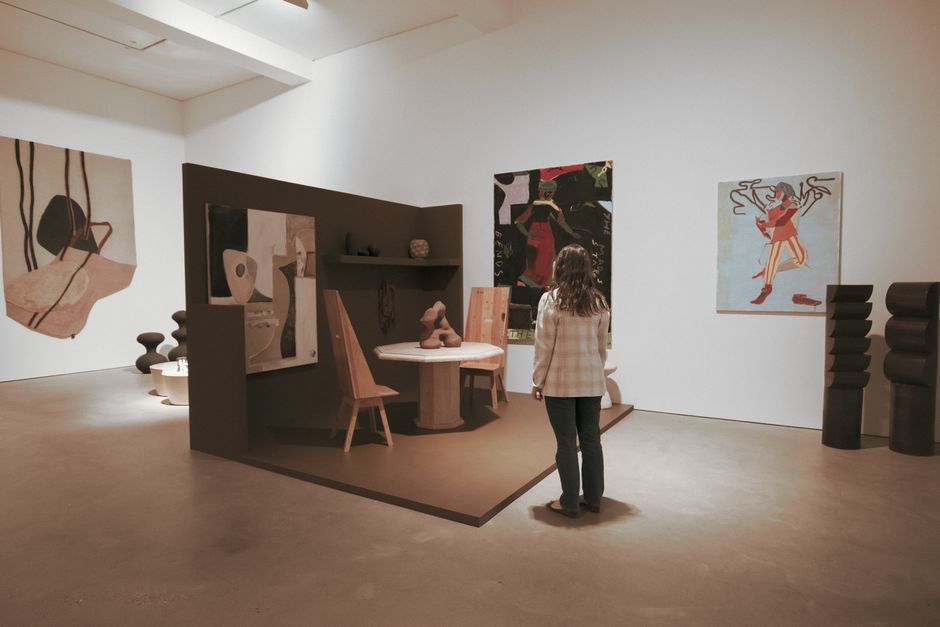
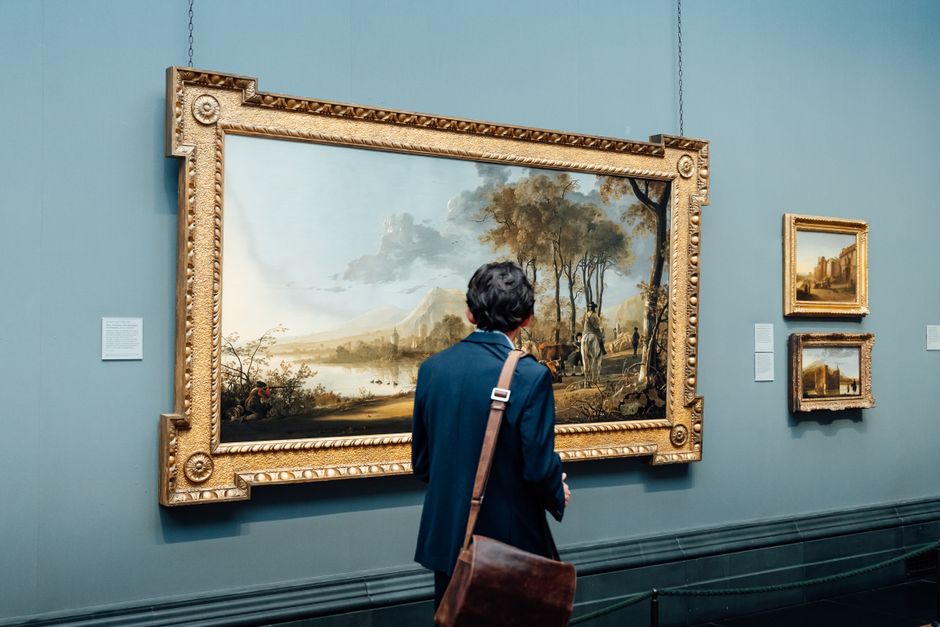
London's free cultural offerings have become so embedded in the city's identity that most residents forget they're relatively recent inventions. What you can do for nothing on a Friday evening in 2026—catch a West End production rehearsal at the Donmar Warehouse, hear a chamber concert at the National Gallery, watch street theatre in Covent Garden—would have seemed almost impossible 30 years ago.
The shift matters now because London faces a genuine reckoning. Real wages have stagnated since 2008. A ticket to see a major exhibition at the V&A costs £20. A cinema seat runs £15 minimum. The cost of living crisis means cultural access has become explicitly political. City Hall and major institutions have doubled down on free programming precisely because paying customers are fewer and further between. What began as a democratic impulse—the belief that art shouldn't be gatekept by wealth—has become an economic necessity disguised as generosity.
The roots go back further than most people realise. The National Gallery opened its permanent collection free to the public in 1824, a radical move at the time. But the real transformation happened in the 1990s and 2000s. The British Museum scrapped admission charges for permanent galleries in 2001 under Tony Blair's government. The Tate Modern, when it opened in May 2000 in the converted Bankside Power Station, made its collection free to enter—a deliberate statement that a world-class museum shouldn't require an entry fee.
From Institutional Strategy to Street-Level Culture
Today's free scene extends far beyond the major institutions. The South Bank Centre runs a staggering 1,400 free events annually across its riverside venues in Southwark. That includes live music, comedy, theatre rehearsals, and talks. The Barbican Centre in Moorgate offers free gallery entry for under-16s and £5 previews before paid exhibitions open. Smaller venues like the Bush Theatre in Shepherd's Bush maintain a pay-what-you-wish policy for selected performances, generating roughly 40 percent of their earned income from those shows despite the voluntary model.
The statistics tell the story. A 2024 survey by the Arts Council England found that 74 percent of London adults attended at least one free cultural activity in the previous year. That compares to 52 percent nationally. Three million people visited the National Gallery in 2024, with 85 percent paying nothing at the door. The Tate Modern recorded 5.2 million visitors—most of them there without spending a penny on admission.
Street culture and grassroots programming have evolved too. Busking permits in central London have become professionalized and competitive. The Southbank busking pitch near Waterloo Bridge now attracts world-class musicians precisely because foot traffic guarantees earnings. Piccadilly Circus and Leicester Square have become open-air galleries of sorts, where you're as likely to encounter professional street theatre as tourist selfies.
What happens next depends partly on institutional funding. The Arts Council's budget for England dropped 10 percent in real terms between 2010 and 2020. Many venues are exploring hybrid models: free taster sessions leading to paid workshops, free gallery access paired with paid special exhibitions, free rehearsal viewings promoting ticket sales for full productions. It's not altruism anymore. It's survival.
For Londoners looking to spend today without opening a wallet, the options remain genuinely extensive. Check the V&A's website for its free Friday late openings. Wander into any of the major public galleries from 10am onwards. Grab a chair on the Southbank and watch whatever's happening on the grass. The infrastructure for free culture is still there—arguably stronger than ever. Just remember it's become that way not through pure generosity, but because London learned that keeping culture locked behind paywalls is a luxury the city can no longer afford.