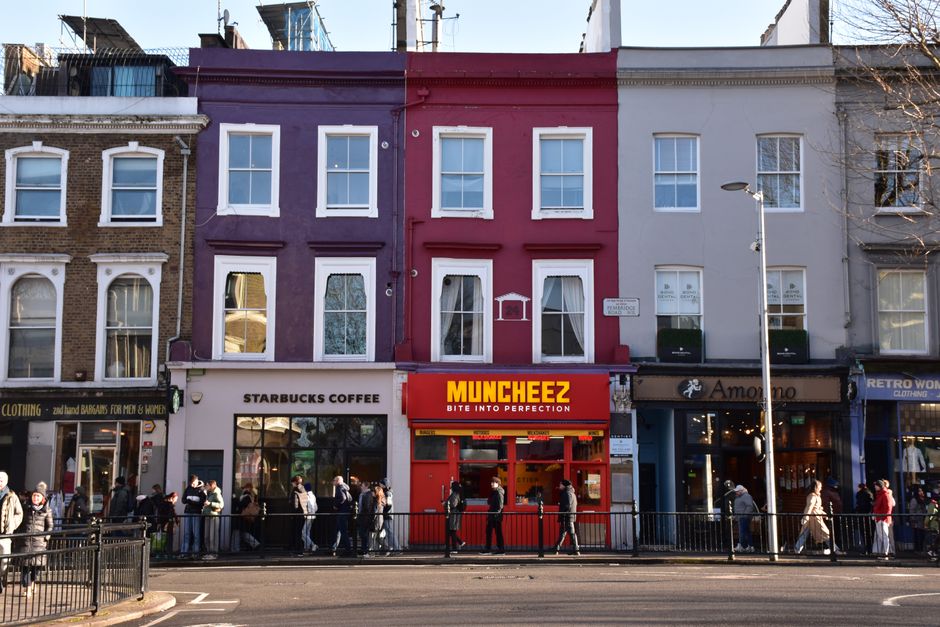
Walking past the shuttered storefronts along Brick Lane and Broadway Market this summer, the toll of 2026 on London's small business community is impossible to ignore. What was once a thriving ecosystem of independent retailers, cafés, and service providers is now buckling under compounding pressures that have left many entrepreneurs questioning whether they can afford to stay.
The mathematics are brutal. Commercial rents in prime neighbourhoods have surged 18 percent year-on-year, according to recent data from the London Chamber of Commerce. A modest 800-square-foot retail unit in Shoreditch that cost £2,500 monthly in 2024 now demands nearly £3,000. For independent business owners operating on margins of 5 to 10 percent, the arithmetic no longer works.
"It's not just rent," explains the Federation of Small Businesses' London director. "Energy bills remain elevated, staff wages have risen appropriately but necessarily, and consumers are simply spending less." High street footfall across central London has declined 12 percent compared to the same period last year, with many shoppers retreating to online platforms or reducing discretionary purchases altogether.
The hospitality sector is particularly squeezed. A survey of 200 independent cafés and restaurants across zones 1 and 2 found that 34 percent are operating at a loss or break-even point. Supply chain disruptions continue to push food costs higher, while labour shortages in the kitchen persist—a legacy of post-pandemic recruitment challenges that never fully resolved.
Service-based businesses face their own headwinds. Plumbers, electricians, and tradespeople who built steady client bases in Islington and Clapham report that customers are postponing non-essential work. Meanwhile, larger corporate competitors with deeper pockets are undercutting prices and absorbing losses that small operators cannot.
Some entrepreneurs are adapting. Pop-up models, shared workspaces in Bethnal Green and Peckham, and digital-first strategies are offering lifelines to those nimble enough to pivot. Others are consolidating—selling to larger groups or exiting the market altogether.
The risk for London is not merely the loss of individual businesses, but the erosion of the distinctive character that makes neighbourhoods vibrant. When independent traders disappear, replaced by chains or vacant units, the capital loses the diversity and resilience that have historically defined its economy. As we head into autumn, many small business owners will be making decisions that could reshape London's commercial landscape for years to come.
This article was compiled by AI from the sources linked above and screened before publishing. See our editorial standards.