Property
First-Time Buyer's Guide: Your Route Through London's Affordable Housing Maze
With average prices exceeding £500k, new schemes and policy shifts are creating genuine pathways for first-time buyers—if you know where to look.
2 min read
Property
With average prices exceeding £500k, new schemes and policy shifts are creating genuine pathways for first-time buyers—if you know where to look.
2 min read
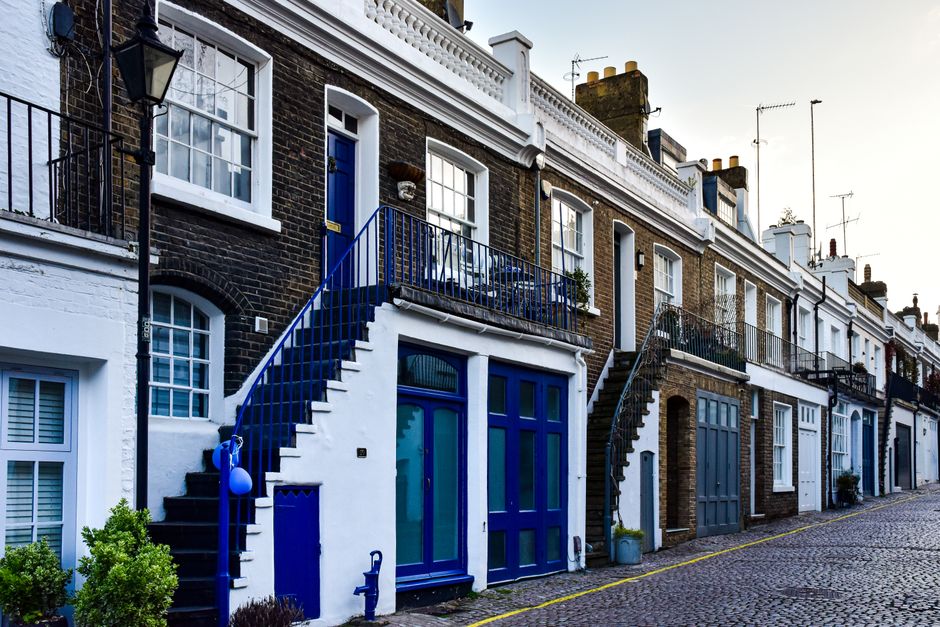
Breaking into London's property market as a first-time buyer feels like scaling a wall. Average prices have surpassed £500,000, stamp duty remains a burden, and competition is fierce. Yet recent policy shifts and targeted schemes are quietly opening doors that seemed permanently closed.
The critical shift is understanding where affordable housing sits within London's fractured landscape. Outer zones—4 through 6—are becoming increasingly viable. Neighbourhoods along the Elizabeth Line corridor, from Paddington through to Shenfield, have seen genuine price moderation as infrastructure investment spreads opportunity outward. Barking, West Drayton, and Hayes & Harlington now offer semi-detached homes and new-build apartments under £450,000, a marked difference from Zone 2 equivalents.
London's affordable housing policies, mandated through Section 106 agreements on new developments, require developers to include units at reduced rates. This means first-time buyers can access properties through registered providers and council schemes, though competition remains intense. The recent 'Home for a Home' initiative has widened pathways for vulnerable families, but standard affordable schemes—typically 20 per cent below market rate—remain open to qualifying first-time buyers. Check your local borough council's housing register; Tower Hamlets, Newham, and Croydon have particularly active programmes.
Shared ownership deserves serious consideration. London boroughs partner with housing associations to offer stakes in properties from 25 to 75 per cent, with mortgage arrangements on your portion. A £200,000 semi in Waltham Forest becomes a £50,000 initial investment. It's not perfect—service charges and buy-out costs demand scrutiny—but it's a legitimate bridge into ownership.
Stamp duty reform has genuinely helped. First-time buyer relief on properties under £425,000 now eliminates duty entirely in most outer-London purchases. This alone saves £10,000-plus on typical transactions and should factor heavily into your calculations.
Three practical steps: First, register with your local authority's housing register immediately—waiting lists matter. Second, consult independent advisors through the National Housing Federation or Shelter; their free guidance is invaluable. Third, work backwards from your actual budget, not fantasy figures. A £250,000 property in Orpington beats an overleveraged £400,000 flat in Stratford.
London's market remains punishing, but first-time buyers are no longer invisible. The pathways exist—through shared ownership, affordable housing quotas, and outer-zone growth. You simply need to navigate them strategically.
This article was compiled by AI from the sources linked above and screened before publishing. See our editorial standards.
Property
Property

Property
Property
About this article
Published by The Daily London
Spread the word
Daily brief
Free, in your inbox before 7am. Weekdays.
The Daily Network — independent news worldwide